 Nutrition
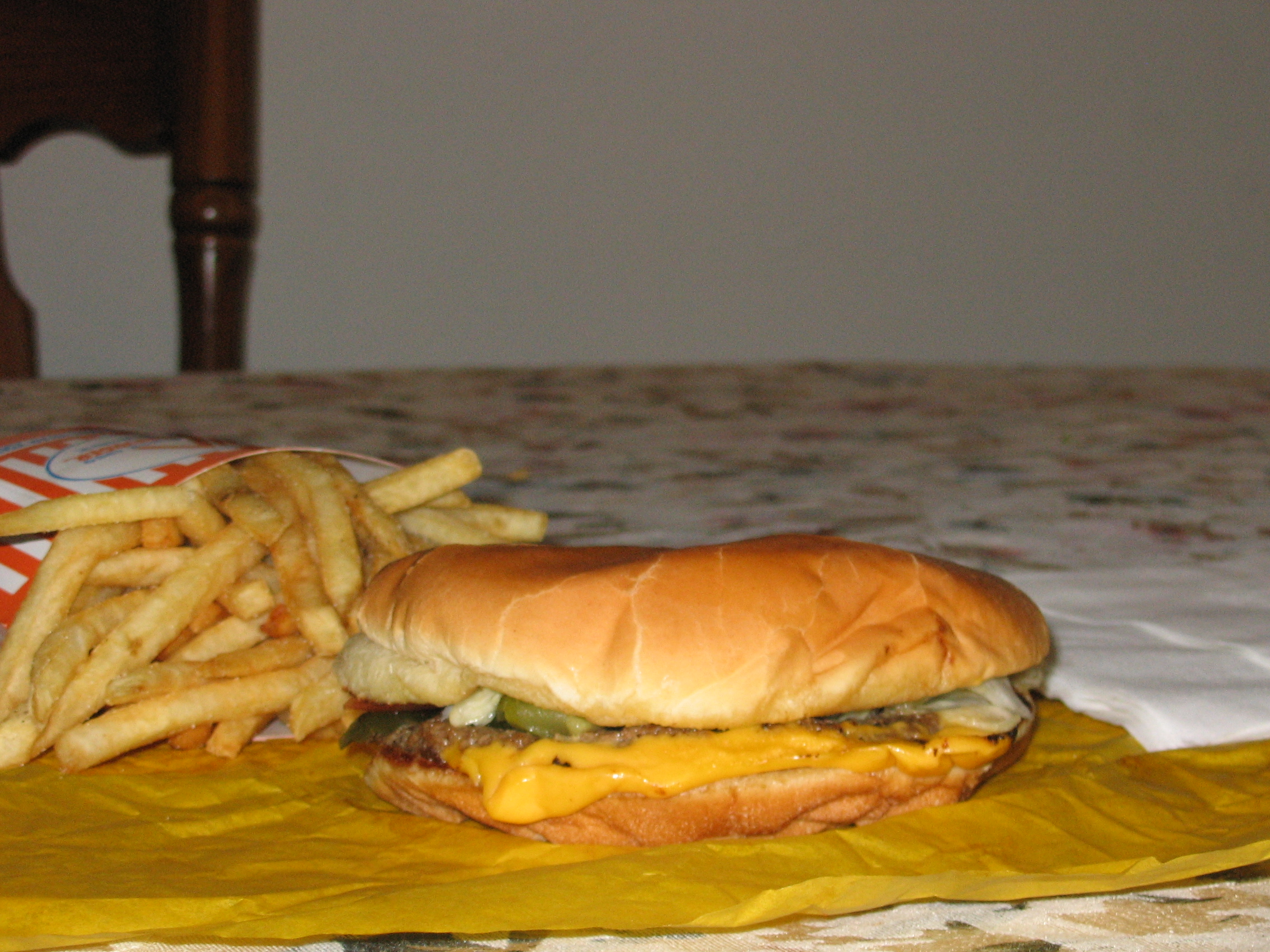
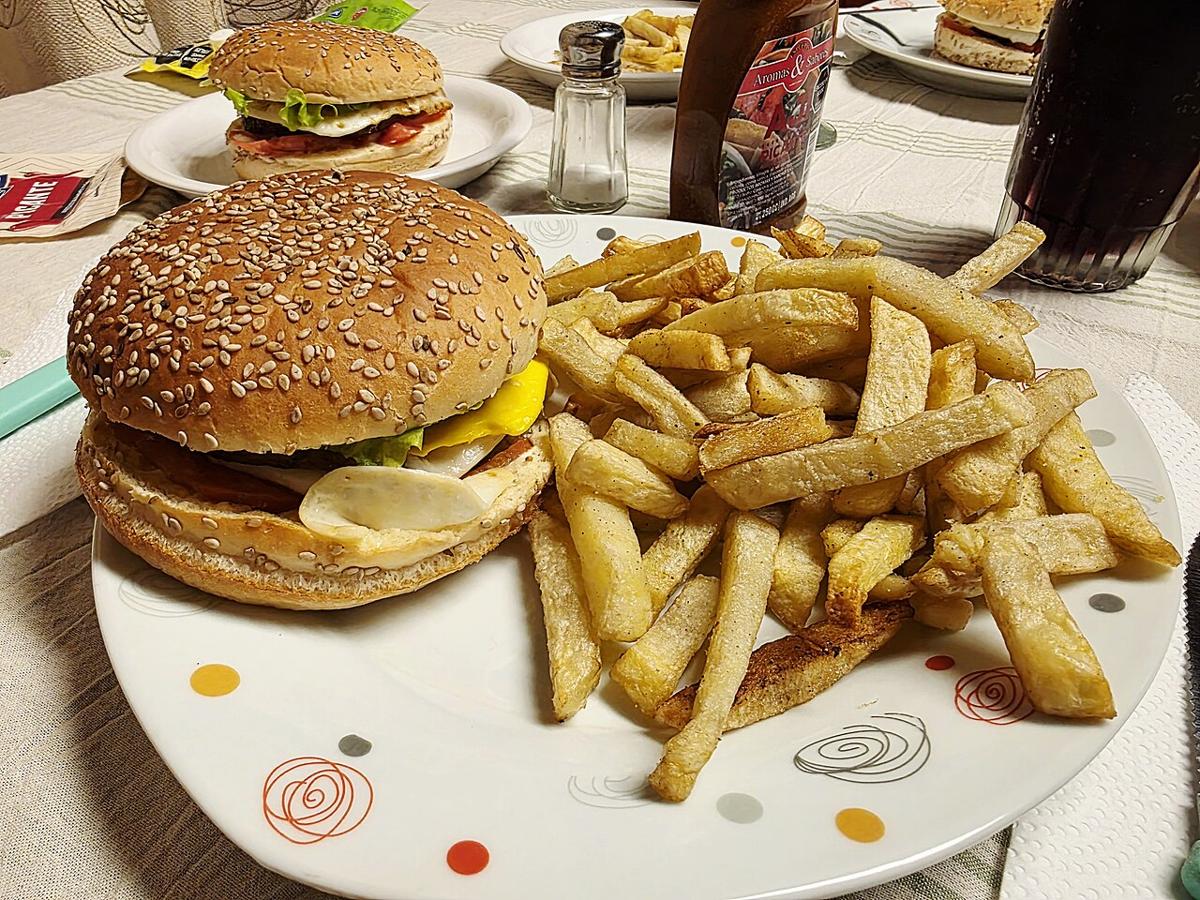
Illustrative licensed food photograph, not an official Whataburger product or evidence of current portions, availability or prices.Homemade hamburger with french fries in Argentina.jpg. Photo: Horacio Cambeiro · Source · CC BY-SA 3.0 · Display cropped to fit.
Whataburger · At a glance
Compare real orders, not just single items
Classic burger, medium fries & unsweet tea (Estimate)
- Whataburger
- Medium French Fries
- Medium Unsweet Tea (32 fl oz)
Estimate
Price: Varies
Double Jr. & small fries (Estimate)
- Double Meat Whataburger Jr.
- Small French Fries
Estimate
Price: Varies
Bacon breakfast bun, hashbrowns & coffee (Estimate)
- Breakfast On A Bun with Bacon
- Hashbrowns
- Small Coffee (12 fl oz)
Estimate
Price: Varies
Patty Melt & medium fries (Estimate)
- Whataburger Patty Melt
- Medium French Fries
Estimate
Price: Varies
What changes between these orders?
| Nutrient | First | Second | Change |
|---|---|---|---|
| Calories | 1000 cal | 690 cal | -310 cal |
| Protein | 33 g | 26 g | -7 g |
| Carbs | 116 g | 71 g | -45 g |
| Fat | 46 g | 34 g | -12 g |
| Sodium | 1510 mg | 1040 mg | -470 mg |
Historical Estimate · official 2021 figures· Data checked 2026-11-16Whataburger official nutrition PDF (published March 29, 2021; current recipe confirmation unavailable)
Well.now example orders, not official combo recipes. Each listed item counts once; drinks, sauces and extras are excluded unless named. Actual servings and availability can vary.
Inside the first order
| Item / published serving | Calories | Protein | Carbs | Fat | Sodium |
|---|---|---|---|---|---|
| Whataburger | 590 cal | 29 g | 62 g | 25 g | 1220 mg |
| Medium French Fries | 400 cal | 4 g | 51 g | 21 g | 260 mg |
| Medium Unsweet Tea (32 fl oz) | 10 cal | 0 g | 3 g | 0 g | 30 mg |
Classic burger, medium fries & unsweet tea (Estimate) totals 1000 calories and 33 g protein. The difference above includes every listed serving, not just the main item.
Check the price where you order
Choose the US restaurant
Use your exact address and pickup or delivery method.
Match each serving
Check sizes, sides, sauces and paid extras against these examples.
Separate fees and offers
Read the item subtotal, taxes, delivery fees and discounts separately.
Available item prices are dated San Antonio delivery estimates, not confirmed current checkout prices. Orders with unpriced servings show an incomplete cost rather than a full meal quote. Price sources, location and dates
What this guide covers
- Whataburger Fries and Onion Rings: Sizes and Nutrition Estimates
- Which side sizes are documented?
- Small fries: the smallest documented fried side
- Medium fries: a common meal reference
- Large fries: understand what you are upgrading
- Medium onion rings versus medium fries
- Large onion rings versus large fries
- Small fries versus medium rings: the closer calorie choice
- Ketchup belongs in a separate comparison
- Ordering scenario: keeping the entrée, changing the side
- Jr. meals and kids’ meals need their own size check
- Sharing fries and evaluating the Family Fry Box
- Side prices: useful evidence with unresolved sizes
- Rewards: compare the named side, not an assumed cash value
- Allergens, frying questions, and customization limits
- Focused FAQ: which side should I choose?
- Sources and how to use these estimates
Whataburger Fries and Onion Rings: Sizes and Nutrition Estimates
Choosing between Whataburger fries and onion rings involves more than choosing a flavor. Size changes the comparison, and a side with fewer calories can still have more sodium. This Well.now guide separates named side portions from meal descriptions, sauce portions, and delivery prices so you can compare the item you actually intend to order. The nutrition baseline is Whataburger’s official PDF published March 29, 2021, not verified current recipes. Sources were reviewed November 16, 2026; that review did not create a new price observation or recipe confirmation. Use these historical references for planning, then check your selected US restaurant’s ordering screen for available sizes and local charges.
Which side sizes are documented?
The historical nutrition source names Small French Fries, Medium French Fries, and Large French Fries. For onion rings, it names Medium Onion Rings and Large Onion Rings. There is no small onion-ring row in the historical baseline. That absence does not establish what every restaurant can sell, but it means this guide cannot provide a supported small onion-ring estimate. These are named menu portions, not verified weights or piece counts. A medium fry and medium onion rings should not be treated as equal amounts of food simply because their labels match. Likewise, the Family Fry Box is a separate ordering item, not a documented equivalent of a particular number of large fries.
Small fries: the smallest documented fried side
Historical reference Estimate: Small French Fries contain 270 calories, 14 g fat, 170 mg sodium, 34 g carbohydrates, 0 g sugar, and 3 g protein in the official historical nutrition PDF. Among the documented fries and onion rings, this row has the lowest calories, fat, and sodium. It does not have the lowest carbohydrate value, which is why choosing by size alone can miss a useful distinction. Small fries are a straightforward ordering option when you want fries alongside an entrée without choosing a larger side. Ask for the size explicitly rather than requesting a generic “side of fries.” If ordering through an app, check the selected size again after editing the meal, especially if you have changed from a standalone sandwich to a combo.
Medium fries: a common meal reference
Historical reference Estimate: Medium French Fries contain 400 calories, 21 g fat, 260 mg sodium, 51 g carbohydrates, 1 g sugar, and 4 g protein, according to the official historical nutrition PDF. This is the appropriate historical row when the order description explicitly says medium fries. It is not automatically the right row for an unsized fries listing or an entire Whatameal. Several supplied delivery-menu descriptions identify medium fries as part of full-size burger and chicken meals. That makes this size especially relevant when comparing a standard meal with a smaller-side order. Keep the entrée, drink, and sauces separate when reviewing the meal rather than treating the side’s estimate as a complete meal figure.
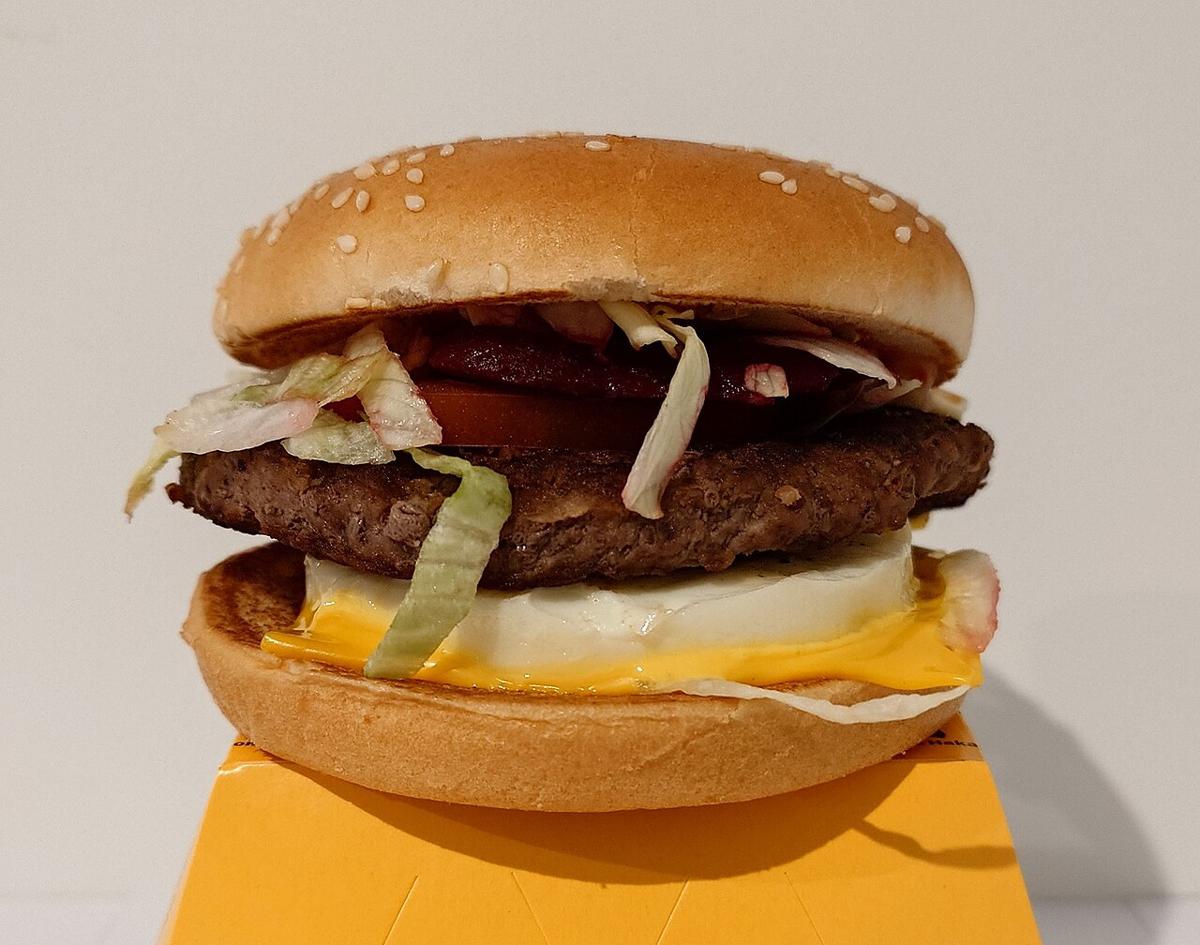
Illustrative licensed food photograph, not an official Whataburger product or evidence of current portions, availability or prices.Kiwiburger sitting on the top of the container.jpg. Photo: Alexeyevitch · Source · CC BY-SA 4.0 · Display cropped to fit.
Large fries: understand what you are upgrading
Historical reference Estimate: Large French Fries contain 530 calories, 28 g fat, 350 mg sodium, 68 g carbohydrates, 1 g sugar, and 6 g protein in the official historical nutrition PDF. Compared directly with medium fries, the large row is higher in calories, fat, sodium, carbohydrates, and protein. The listed sugar value is unchanged. For a solo order, decide whether you want the larger side independently of whether you want a larger drink. An ordering interface may present meal upgrades together, but the nutritional question remains item-specific. For sharing, the large-fries row describes the whole named portion, not a guaranteed amount for each person. Uneven sharing cannot be represented accurately by assigning everyone an equal share on paper.
Medium onion rings versus medium fries
Historical reference Estimate: Medium Onion Rings contain 300 calories, 17 g fat, 430 mg sodium, 33 g carbohydrates, 2 g sugar, and 4 g protein in the official historical nutrition PDF. Medium French Fries list 400 calories, 21 g fat, 260 mg sodium, and 51 g carbohydrates. The rings therefore have lower listed calories, fat, and carbohydrates, but higher sodium at the matching size label. This is the most useful comparison when you are considering a medium-side swap. Onion rings are not an across-the-board lighter choice, and fries are not automatically the higher-sodium option. Choose according to the measurement you are actually watching. Also confirm whether the restaurant offers the substitution within your meal and whether it changes the checkout price.
Large onion rings versus large fries
Historical reference Estimate: Large Onion Rings contain 450 calories, 25 g fat, 650 mg sodium, 49 g carbohydrates, 3 g sugar, and 7 g protein in the official historical nutrition PDF. Large French Fries list 530 calories, 28 g fat, 350 mg sodium, and 68 g carbohydrates. As with the medium comparison, large rings have lower listed calories, fat, and carbohydrates, but higher sodium. If you already know you want a large side, this comparison is more relevant than comparing large fries with medium rings. It keeps the menu size label consistent without pretending the actual portions weigh the same. Neither row establishes how many rings or individual fries you will receive, so photographs and piece-count guesses should not replace the named portion.
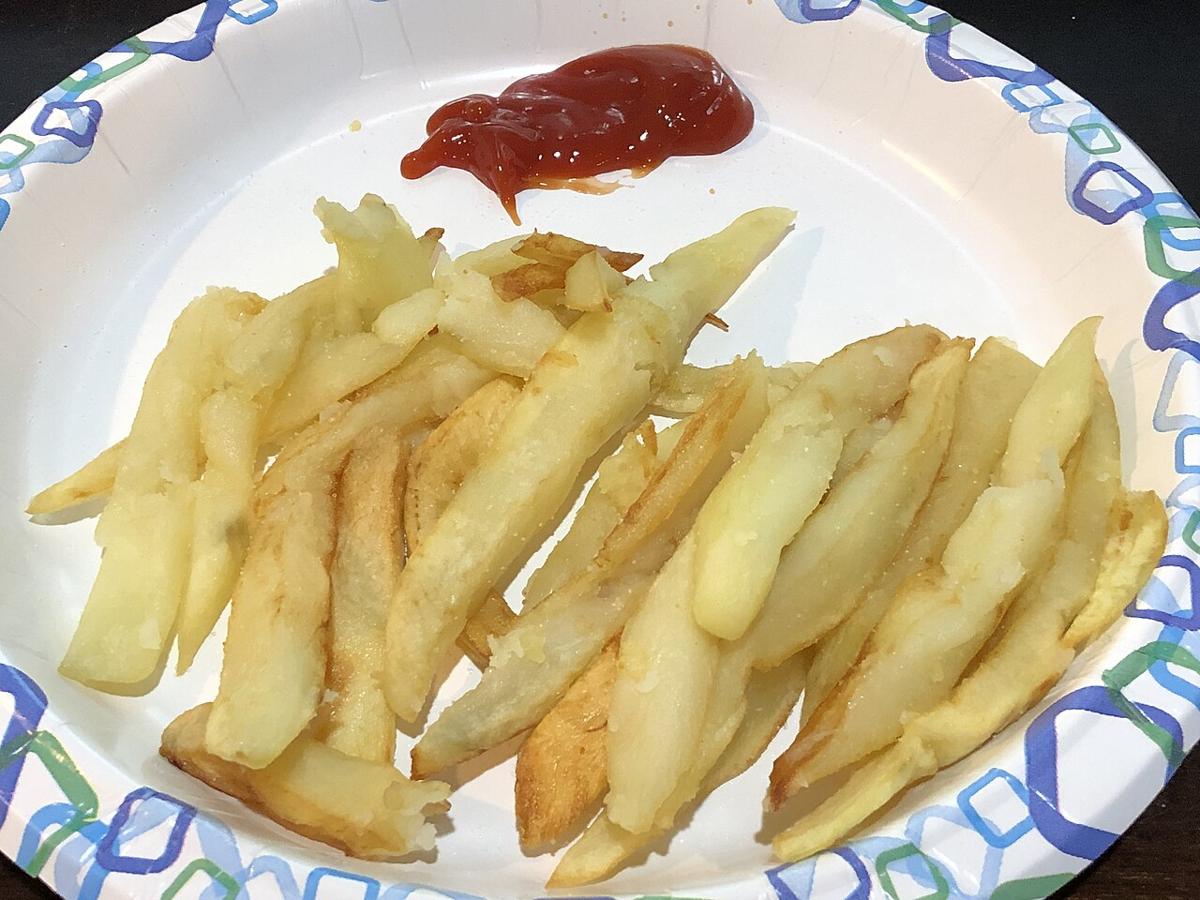
Illustrative licensed food photograph, not an official Whataburger product or evidence of current portions, availability or prices.2022-05-30 20 29 47 Freshly-prepared home-made french fries in the Mountainview section of Ewing Township, Mercer County, New Jersey.jpg. Photo: Famartin · Source · CC BY-SA 4.0 · Display cropped to fit.
Small fries versus medium rings: the closer calorie choice
Historical reference Estimate: Small French Fries list 270 calories, 170 mg sodium, and 34 g carbohydrates, while Medium Onion Rings list 300 calories, 430 mg sodium, and 33 g carbohydrates in the official historical nutrition PDF. Small fries have lower listed calories and sodium; medium rings have slightly lower listed carbohydrates. These direct values are more informative than assuming every smaller side wins on every measure. For someone who wants a modest fried side but is flexible about which one, this is a practical comparison. It is also a reminder that changing the food and changing the size are separate decisions. If you mainly want onion rings, consider the documented medium portion rather than selecting large rings simply because you normally order large fries.
Ketchup belongs in a separate comparison
Historical reference Estimate: Fancy Ketchup per portion cup lists 35 calories, 340 mg sodium, 8 g carbohydrates, and 6 g sugar. Spicy Ketchup per portion cup lists 30 calories, 400 mg sodium, 7 g carbohydrates, and 6 g sugar in the official historical nutrition PDF. Spicy Ketchup has lower listed calories and carbohydrates but higher sodium, so the name alone does not tell you which better fits your priorities. The source unit is a portion cup. Do not assume a retail bottle serving, packet, or partially used container matches that unit. When comparing fries with rings, keep sauce choices consistent or evaluate them separately. Otherwise, you may attribute a difference to the side when it actually comes from the condiment you selected.
Ordering scenario: keeping the entrée, changing the side
If you like your usual sandwich and only want to reconsider its side, leave the entrée unchanged while comparing small fries, medium fries, and medium rings. This isolates the decision you are trying to make. Check which size the meal includes before requesting a substitution, and ask whether selecting rings changes both the side type and its size. The Whataburger nutrition calculator can help you review named items using estimates, while the Whataburger nutrition guide explains the broader menu context. Newer-item macros are unavailable in the historical baseline. Pairing a documented side with a newer sandwich does not make the entire meal nutritionally documented, and no new meal total is implied here.
Jr. meals and kids’ meals need their own size check
Whataburger’s August 18, 2026 announcement states that All-Time Favorite and limited-time Jr. Whatameals would include small fries and a small drink beginning that date. This is dated announcement evidence, not a new local checkout observation. It matters because a generic statement that all Whatameals include medium fries would miss these smaller-meal defaults. For children’s orders, the April 28, 2026 kids’ meal announcement describes a small French Fry or Mott’s Applesauce pouch. The nutrition landing instead describes apple slices among kids’ choices. Those descriptions conflict, and the landing may also be outdated. Check the actual order options rather than treating applesauce and apple slices as interchangeable items or transferring the historical apple-slice nutrition to a pouch.

Illustrative licensed food photograph, not an official Whataburger product or evidence of current portions, availability or prices.The frida - Laughing Dog 2026-02-09.jpg. Photo: Andy Li · Source · CC0 · Display cropped to fit.
Side prices: useful evidence with unresolved sizes
Estimate for independent prices, July 26, 2026, San Antonio delivery: Fast Food Menu Prices reported French Fries at $3.34, Onion Rings at $5.57, and the Family Fry Box at $15.74 for the menu associated with 8426 Broadway Street. These USD amounts were not independently verified checkout prices. The standalone fries and onion-ring entries are unsized, so neither price can be assigned to a specific nutrition row. That limitation prevents a defensible size-by-size value comparison. It also prevents using the standalone onion-ring price as the charge for swapping fries within a meal. Consult the Whataburger price page and menu-with-prices guide for context, then inspect your selected restaurant and ordering channel for the actual side size, substitution charge, and final amount.
Rewards: compare the named side, not an assumed cash value
The official What Can I Earn? page lists Medium Fry and Medium Onion Rings at 400 points each, and Large Fry at 500 points. Those are reward listings, not nutrition figures or guaranteed availability for every order. Confirm the options shown in your account before planning a redemption. Because the documented standalone cash prices do not specify size, they cannot support a reliable cash-value comparison for those medium rewards. Select the side you want rather than assuming the unsized delivery price proves one redemption is worth more. The Whataburger brand hub brings together the related menu and ordering resources without requiring an invented points-earning or expiration rule.

Illustrative licensed food photograph, not an official Whataburger product or evidence of current portions, availability or prices.The Seb - Laughing Dog 2026-03-04.jpg. Photo: Andy Li · Source · CC0 · Display cropped to fit.
Allergens, frying questions, and customization limits
The reviewed version of Whataburger’s allergen-info page is readable, but it displays general site content rather than a verified item-level allergen matrix. That is different from saying the page is unavailable. This evidence does not establish the current ingredients, frying oil, or shared-equipment arrangements for fries or onion rings. If you have an allergy, ask the restaurant for current ingredient and preparation information, including potential cross-contact. Neither side can be promised allergy-safe from these sources. Similarly, requesting a preparation change such as no added salt does not produce a supported revised sodium figure here. Keep a custom order distinct from the standard historical row rather than subtracting an assumed ingredient contribution.
Focused FAQ: which side should I choose?
Are onion rings lower in calories than fries? Historical reference Estimate: Medium Onion Rings list 300 calories versus Medium French Fries at 400 calories; Large Onion Rings list 450 calories versus Large French Fries at 530 calories in the official historical nutrition PDF. Small fries remain the lowest-calorie documented fried-side portion at 270 calories. The answer therefore depends on which sizes you compare. Can I get a small onion-ring estimate or use large fries for the Family Fry Box? Neither substitution is supported by the reviewed rows. Does ordering a meal always mean medium fries? No; the documented Jr. and kids’ descriptions include small fries. Does a matching calorie value on the nutrition landing prove the recipe is unchanged? No. Agreement between sources is useful, but it is not current recipe confirmation.
Sources and how to use these estimates
The official nutrition PDF, published March 29, 2021, supplies the historical side and condiment rows. The nutrition landing repeats the listed side calories, but its content may also be outdated. Its conflicts with newer menu descriptions are a reason to retain the historical-estimate label, not to declare either source freshly verified. Sources reviewed November 16, 2026 also include the linked official meal announcements, rewards page, allergen-page capture, and independent delivery-price evidence. The price observation remains July 26, 2026. See Well.now’s sources and methodology for how evidence limitations are handled. For an actual order, the most useful sequence is to confirm the named side and size, compare the relevant historical row, review sauces separately, and check the local checkout.
See the full Whataburger menu
Prices, calories and macros for every item, or build a meal in the calculator.
Sources and corrections
Nutrition figures on Well.now come from official US restaurant sources, linked on each brand page with a last-checked date. Prices use verified local amounts first, then clearly labeled sourced estimates; Varies appears when neither is available. See our sources and methodology, or email be@well.now with a correction.
Reviewed November 16, 2026. Nutrition is a historical Estimate from the March 29, 2021 official PDF, not verified current recipes. Prices are independent delivery estimates from July 26, 2026 for one San Antonio restaurant. New recipes and conflicting rows remain unavailable.
About the Well.now Editorial Team
This article was written and fact-checked by the Well.now Editorial Team. We check nutrition claims against each chain's official US information and never publish prices we cannot confirm. Well.now is independent and not paid by any restaurant. Read our editorial policy.