
Golden Corral guide
Golden Corral menu, nutrition facts and ordering guide
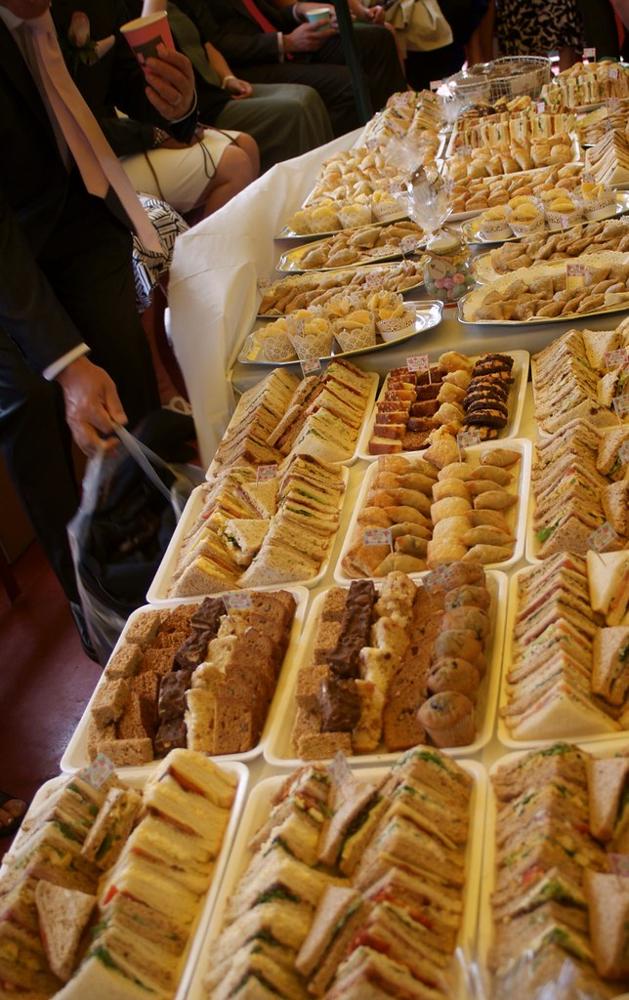
Golden Corral serves buffet-style meals, so the food on one guest’s plate can differ from another’s. Choose the exact published food and serving, build the whole plate, then include return visits, bread and dessert. Our US nutrition reference was checked November 15, 2026. No separate nutrition-data effective date has been confirmed.
A buffet price is not an item price
A nutrition row describes food, not a separately priced buffet purchase. Admission depends on the selected restaurant and service. Our estimated typical Golden Corral adult buffet price is about $12.99 for breakfast, $11.49 for lunch and $16.99 for dinner (checked November 15, 2026; see the [Golden Corral menu prices page](/menu-prices/golden-corral)), and your restaurant may differ slightly. Confirm breakfast, lunch or dinner, the date, party ages, drinks and the checkout total directly with your chosen location.
Golden Corral Favorites documents describe a different plated-meal concept with its own all-you-can-eat options. An older local menu is not evidence of current nationwide buffet pricing. Promotions and takeout packages also need their own terms and should not be substituted for an ordinary dine-in admission price.
Build the plate course by course
The calculator offers proteins, sides, vegetables and salad, bread, breakfast foods, desserts and fruit, toppings and drinks in separate steps. Each choice retains its published serving. Multiple selections add multiple foods. Skip courses you do not plan to eat, review the components and press Calculate to open full results.
Regular uses the listed serving, Light models half and Extra models twice. Actual self-served weights remain uncertain, so buffet plate results are estimates even when the underlying recipe values come from the official database. Add another serving if you return for more; do not treat a second plate as already counted.
Read names, portions and preparation together
A three-ounce protein entry is not interchangeable with a ten-ounce chicken breast. A cup, a piece and a slice also describe different quantities. Preserve the serving when comparing foods, and do not use ribeye nutrition as sirloin nutrition merely because both are steaks.
Sides and toppings need their own entries when additional. A baked potato does not silently include every topping, and a yeast roll does not automatically include butter. If the exact topping is unavailable in our dataset, its nutrient total remains unknown rather than zero. Use the official database or ask the restaurant for a matching recipe.
Sources, disputed rows and dietary limits
The selected foods retain their original source row, stated weight and published allergen text. Internally contradictory source rows are retained for audit but excluded from calculator selections. We never guess a replacement nutrient value. Manufacturer-reported figures are not independent laboratory measurements.
A dish name, low carbohydrate figure or blank allergen field cannot establish vegetarian, vegan or allergy suitability. Check current ingredients and preparation with a manager. Buffet utensils and shared kitchens create cross-contact uncertainty. Nutrition totals are planning references, not guarantees for a medically prescribed diet.
Compare examples without changing every ingredient
The quick-start plates use exact catalog entries and the comparison tables read the same selections. Load the chicken, potato and broccoli example if those are foods you expect to choose, then compare a different protein while holding the sides constant. That shows the effect of the substitution instead of combining unrelated changes in meat, starch, bread and dessert.
A different dish can come with a different reference weight. Before calling one protein lower in calories, inspect both serving labels. If the amounts do not match, describe the comparison as two listed portions rather than equal-weight servings. The plate’s protein total also includes its sides, so it does not establish how much meat you ate or how much protein came from the main dish alone.
Breakfast, bread and return visits
Choose breakfast foods only when that restaurant offers them during your planned visit. One listed egg, pancake or bacon serving is a recipe reference, not a promise about every made-to-order plate. A pancake stack needs the number of listed pancakes you expect to eat. Syrup, butter and other accompaniments require separate current entries; do not silently treat missing topping information as zero.
When taking another plate, keep the original selections and add the additional servings. The final result should describe everything you intend to eat across the visit, not just the first plate. If your second plate uses a different preparation, choose that exact dish instead of increasing an earlier item because its name seems similar. A small dessert is still a separate food choice, and a shared dessert requires a stated sharing assumption.
Takeout and catering are separate comparisons
For food to go, find out whether the selected restaurant sells a plated meal, a package or a weighed purchase. A quoted takeout amount cannot establish buffet admission, and a nutrition serving weight does not identify the container’s sale weight. Match the actual foods and quantity before using nutrition values. If a tray feeds several people, establish the tray contents and your intended share rather than entering one tray as one listed serving.
For catering, ask about current availability, package contents, pickup or delivery and any setup requirements directly. Keep the guest count separate from the number of recipe servings used in a nutrition model. Not every guest eats the same quantity or chooses every dish. Share source information and unresolved ingredient questions with guests rather than labeling a mixed buffet suitable for everyone’s dietary needs.
Keep a useful record for future checks
Record the restaurant address, visit date, meal period and order method alongside any price quote or receipt. For nutrition, note the exact food name and source serving rather than only a combined calorie figure. That makes it possible to review a changed recipe without losing track of which plate you originally modeled. Our last-checked date records a source review, not a guarantee that a local restaurant serves an identical weight today.
Send corrections to be@well.now with the food name, serving and an official source link. A local menu photograph or receipt can help establish a specific purchase, but it does not automatically verify the nutrition of every dish on the plate. Where a current amount or recipe cannot be confirmed, we keep that uncertainty visible rather than replace it with a precise-looking guess.
Frequently asked questions
Are buffet plate totals exact?
No. They add published serving values, while your actual self-served weights can differ. All Golden Corral plate results are estimates.
Are drinks included in the buffet price?
No universal drink-inclusion rule has been verified here. Ask the selected restaurant what its quoted admission includes.
Does the database prove a dish is available today?
No. The nutrition database contains recipe variants and other formats. Confirm the current menu at your US restaurant.
The takeaway
Confirm the local admission price separately. Match each food and serving, count all courses and treat the completed buffet plate as an estimate.