 Guides
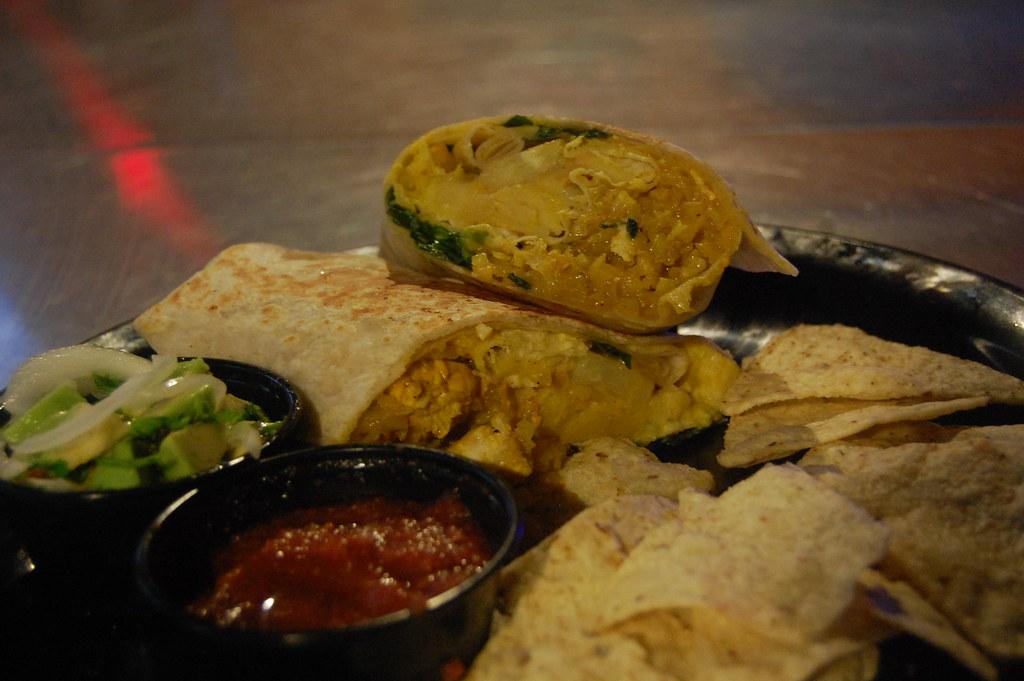
Illustrative licensed food photograph, not an official QDOBA product or evidence of current US portions, availability or prices.Double Baked Burrito - Blue Corn Mexican. Photo: avlxyz · Source · CC BY-SA 2.0 · Display cropped to fit.
Your QDOBA order, with sources
Ingredient portions are not complete entrées. Standard-portion combinations are calculated totals; changed portions are estimates. US source published February 26, 2026, checked November 8, 2026. Prices remain Varies without a verified local amount.
Official nutrition brochureWhat this guide covers
- What gluten-friendly means at QDOBA
- Begin with a format, not a favorite topping
- Use the official menu examples as starting points
- Separate gluten concerns from wheat allergy
- Ask about preparation before joining the assembly flow
- Build the order one ingredient at a time
- Give chips and crunchy extras their own review
- Treat dressings and sauces as ingredients
- Understand what nutrition numbers can establish
- Plan for online ordering limitations
- Make group meals easier to navigate
- Know when an answer is not specific enough
- A practical final check before eating
What gluten-friendly means at QDOBA
QDOBA’s dietary preferences page describes bowls, salads, and tacos on corn tortillas as gluten-friendly options. Its accompanying qualification matters just as much: the product contains no gluten, but the company cannot ensure that cross-contamination will never occur. That makes gluten-friendly an ingredient-oriented description, not a promise about every preparation surface or finished order. Someone choosing less gluten as a preference may approach that distinction differently from someone with celiac disease or a wheat allergy. Start by identifying your own requirement, then explain it clearly before food preparation begins. The practical question is not simply whether QDOBA has gluten-friendly choices. It is whether the ingredients and handling available at that particular restaurant meet the needs of the person eating.
Begin with a format, not a favorite topping
A bowl is often the simplest format to discuss because it does not require a tortilla or edible shell. A salad provides another starting point, although dressing, crunchy additions, and every other component still need review. Corn tortilla tacos appear in QDOBA’s gluten-friendly guidance, but that does not make all taco formats interchangeable. Ask which tortilla is being used rather than ordering tacos without specifying the format. Likewise, do not assume a salad served in a crunchy shell follows the same ingredient profile as lettuce served in a bowl. For a first visit, choose the format you can describe most clearly, then work through the fillings. Reducing ambiguity is more useful than memorizing a broad list of supposedly safe dishes.
Use the official menu examples as starting points
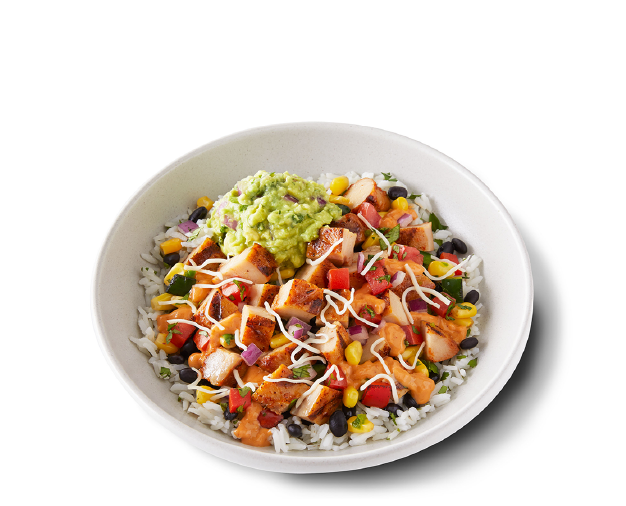
QDOBA’s dietary preferences page names the Citrus Lime Chicken Salad, Cholula Hot and Sweet Chicken Bowl, and pork carnitas or chicken tacos on corn tortillas as gluten-friendly examples. These references help narrow the conversation, but they are not substitutes for reviewing the actual order. A signature name may be customized, a location may have different availability, and a substitution can change what needs checking. Ask whether the restaurant is preparing the standard version and identify any requested changes individually. If an employee suggests another sauce, shell, or topping because something is unavailable, pause to review that replacement. A familiar dish name should function as a convenient ordering reference, not as a blanket assurance covering ingredients that were never part of the original build.
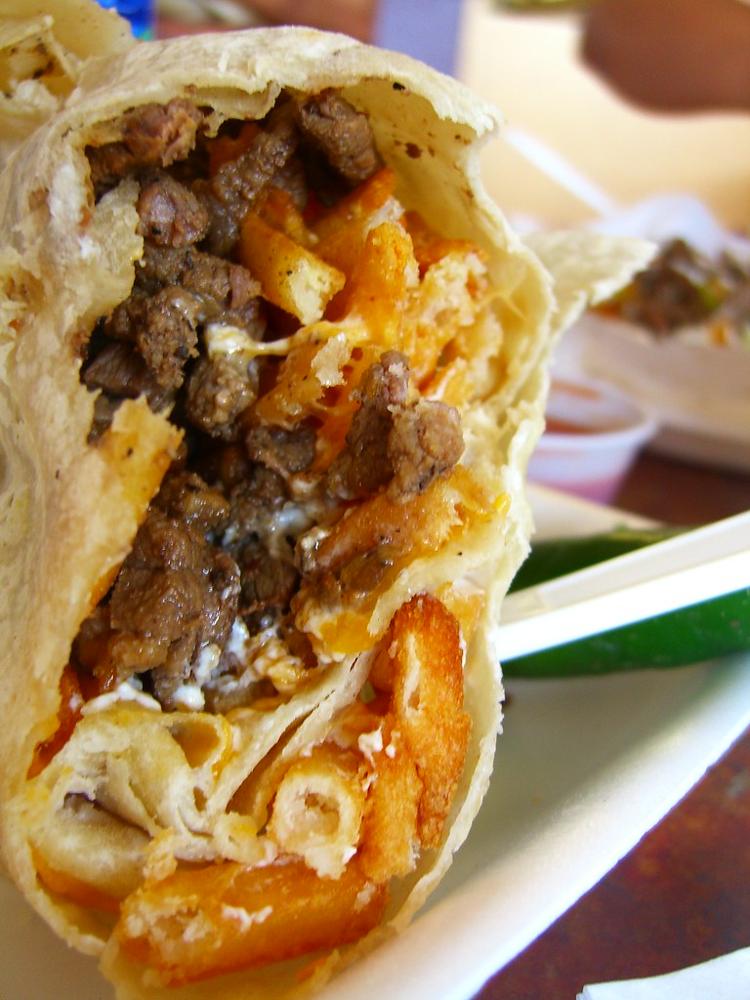
Illustrative licensed food photograph, not an official QDOBA product or evidence of current US portions, availability or prices.hands down the best california burrito i've ever had.. Photo: permanently scatterbrained · Source · CC BY 2.0 · Display cropped to fit.
Separate gluten concerns from wheat allergy
Gluten avoidance and wheat allergy are not interchangeable requests. Gluten is associated with certain grains, while a wheat allergy concerns an allergic response to wheat proteins. A gluten-friendly label alone does not answer every wheat allergy question, and a general preference label is not personalized medical guidance. If wheat is the concern, say wheat allergy rather than relying only on the phrase gluten-free. If celiac disease is the concern, explain that cross-contact matters, not just the absence of an obvious flour tortilla. This language gives the restaurant a more accurate problem to address. When the current allergen chart or handling information cannot resolve the question, avoid treating an uncertain answer as permission to proceed. Choose an alternative plan that matches your medical guidance.
Ask about preparation before joining the assembly flow
A busy service line can make a detailed conversation difficult once ingredients are already being added. Speak with a team member or manager before the bowl or tacos are started. Explain the restriction and ask what handling steps the location can actually provide. Questions may include whether employees can change gloves, use clean utensils, and prepare the order on an appropriate cleaned surface. These are requests for information, not proof that all cross-contact can be eliminated. Shared ingredient containers and previous utensil contact may remain relevant even after gloves are changed. If the response focuses only on removing the tortilla, ask a follow-up about preparation. The goal is a realistic account of the process, not reassurance based solely on the appearance of the ingredients.
Build the order one ingredient at a time
Once the format is settled, review the protein, rice or beans, vegetables, sauces, and finishing toppings separately. An ingredient that looks straightforward may still include a marinade, seasoning blend, or prepared sauce. Do not infer gluten status from whether something is meat, rice, vegetables, or salsa. Use QDOBA’s current nutrition and allergen resources and ask the restaurant about anything unclear. A useful ordering scenario is a bowl with one protein, one rice, beans, and a short list of toppings. That structure makes the discussion easier because each component is identifiable. It is not inherently safer than a more elaborate order, but fewer substitutions and fewer unverified additions create fewer unanswered questions during a time-sensitive interaction.
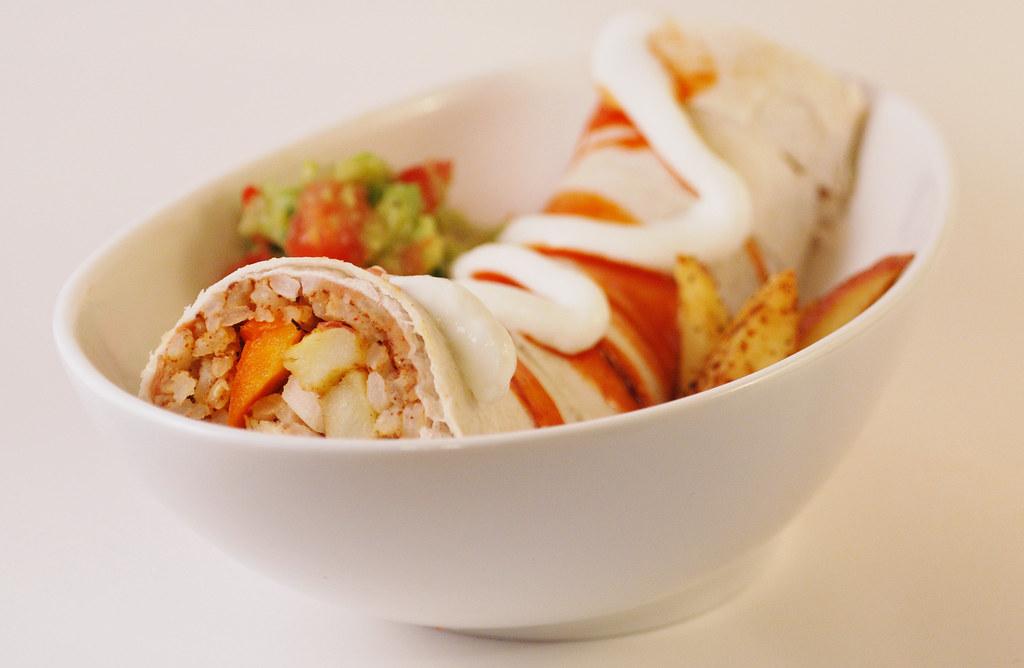
Illustrative licensed food photograph, not an official QDOBA product or evidence of current US portions, availability or prices.El Burrito. Photo: crd! · Source · CC BY-SA 2.0 · Display cropped to fit.
Give chips and crunchy extras their own review
Chips, crispy shells, tortilla strips, and crunchy bowls should not be grouped together simply because they are crisp or tortilla-based. Their ingredients, preparation, and handling can differ. Corn as a primary ingredient also does not answer a shared-fryer question. Ask about the specific product you want and whether the restaurant can explain its preparation. If that information is unavailable, leaving the extra off is more reliable than assuming it follows the same guidance as a corn tortilla taco. This matters when someone orders an otherwise carefully discussed bowl and casually adds chips at checkout. The side becomes part of the same meal and deserves the same review. Packaged accompaniments or replacement products should likewise be checked individually rather than accepted automatically.
Treat dressings and sauces as ingredients
Sauces are easy to overlook because they occupy little space on the plate, but they can be among the least transparent components of a customized meal. Ask about the exact salsa, dressing, queso, or crema rather than referring to a color or pointing to a container. A request such as the green sauce can be misunderstood when multiple products are available. If you want a dressing on the side, remember that separate packaging changes how you use it, not its ingredient status. The same applies to requesting less sauce. A smaller portion does not resolve an allergen concern. For a restaurant that cannot confirm the current formulation, the useful decision is whether to omit that component or select a different meal, not whether a small amount seems acceptable.
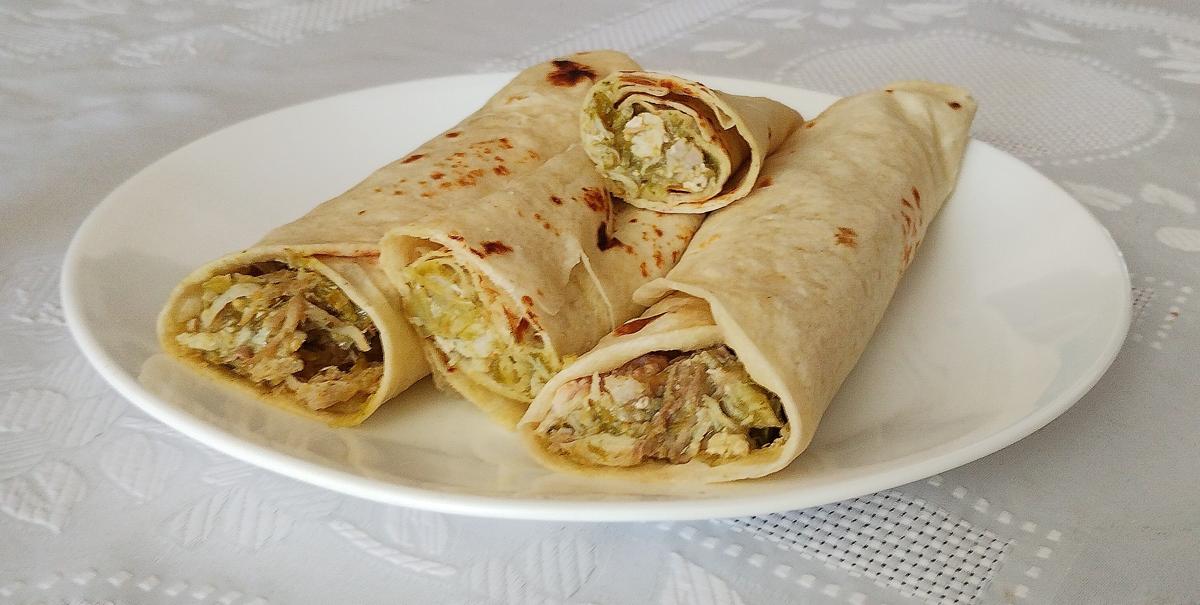
Illustrative licensed food photograph, not an official restaurant product or evidence of serving size, availability or prices.Burrito chihuahuense de chile verde.jpg. Photo: Levi bernardo · Source · CC BY-SA 4.0 · Display cropped to fit.
Understand what nutrition numbers can establish
The supporting dataset comes from the QDOBA US nutrition brochure dated February 26, 2026, and was checked November 8, 2026. It provides serving-based nutrition values, not a complete cross-contact assessment. For example, a listed portion of cilantro lime rice has 190 calories, and black beans have 140 calories. Those numbers help with meal planning, but neither calorie count establishes gluten status. Similarly, a zero in a nutrient field does not mean an ingredient is free from a particular allergen. Keep nutrition arithmetic separate from ingredient verification. This distinction is especially important when using a calculator that can total a bowl accurately while offering no location-specific information about utensils, storage, or preparation. A useful calculation answers a different question from an allergy discussion.
Plan for online ordering limitations
Online customization is convenient when you already know what you want, but removing an ingredient in an app does not communicate every handling requirement. A note may not provide enough detail, may have limited visibility, or may not lead to a conversation before preparation. If cross-contact is medically important, contact the location before placing the order and ask how it handles such requests. Confirm the exact pickup location, especially when several restaurants are nearby. If the restaurant cannot accommodate the request, discovering that before payment is easier than trying to revise a finished meal. At pickup, verify the order with staff rather than relying only on the label. Delivery adds another communication step, so consider whether direct pickup offers better control over the discussion.
Make group meals easier to navigate
For an office lunch or family gathering, do not let the group’s ordering shortcut replace the individual conversation. A large order labeled gluten-friendly may still include flour tortillas, shared toppings, or substitutions intended for other diners. Ask whether the restaurant can identify and package the relevant meal separately, while recognizing that separate packaging is not a cross-contact guarantee. At the table, keep serving utensils with their original containers and avoid moving tortillas over someone else’s food. If people will assemble meals from shared trays, consider whether a separately prepared order is more suitable. These organizational steps help prevent avoidable mix-ups after pickup. They do not establish that the restaurant preparation met a medical requirement, which still needs to be discussed directly beforehand.
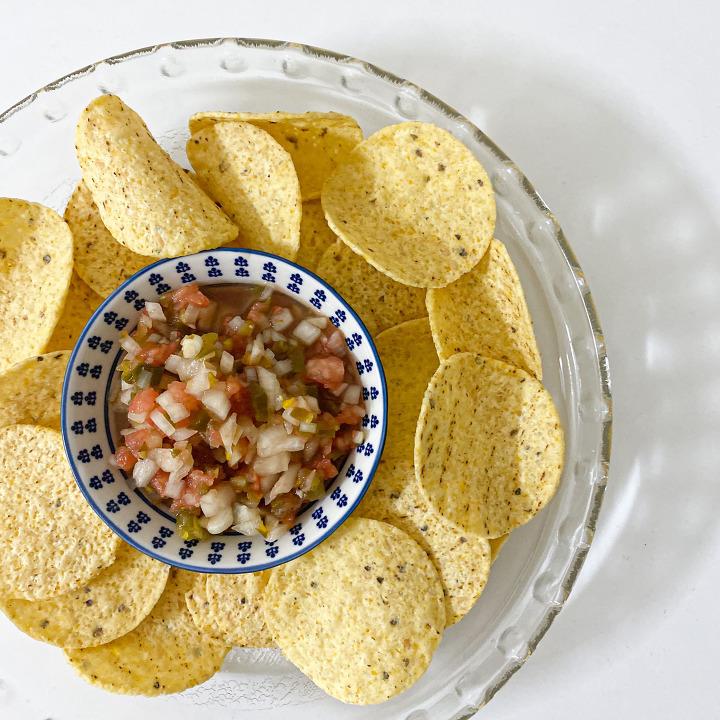
Illustrative licensed food photograph, not an official restaurant product or evidence of serving size, availability or prices.Homemade salsa with nachos 1.jpg. Photo: 에그란 · Source · CC BY 4.0 · Display cropped to fit.
Know when an answer is not specific enough
Responses such as probably, usually, or everyone orders it are not the same as current ingredient information. A useful answer identifies the product, acknowledges the restriction, and explains what the restaurant knows about preparation. If staff cannot locate the relevant information, ask whether a manager can help rather than pressing an employee to guess. There may be times when the available answer remains uncertain. Choosing not to order is a reasonable outcome, especially when the consequence of an error is significant. It can help to decide your boundaries before arriving: which questions must be answered, which handling conditions matter, and what your backup meal will be. Advance decisions reduce the pressure to accept vague reassurance simply because other people are waiting.
A practical final check before eating
Before taking the first bite, compare the meal with the order you discussed. Is it in the expected bowl or tortilla format? Are there unrequested strips, a shell, a dressing, or another visible addition? If something is wrong, ask staff to address the whole preparation question rather than merely removing the visible item. Removing an ingredient after contact does not reverse that contact. Keep the distinction between preference and medical need clear throughout the conversation. QDOBA provides useful gluten-friendly starting points, but the official qualification remains central: cross-contamination cannot be ruled out. The best ordering process combines current ingredient guidance, a direct discussion of local handling, and a willingness to choose another option when the restaurant cannot provide the information your situation requires.
See the full QDOBA menu
Prices, calories and macros for every item, or build a meal in the calculator.
Sources and corrections
Nutrition figures on Well.now come from official US restaurant sources, linked on each brand page with a last-checked date. Prices use verified local amounts first, then clearly labeled sourced estimates; Varies appears when neither is available. See our sources and methodology, or email be@well.now with a correction.
About the Well.now Editorial Team
This article was written and fact-checked by the Well.now Editorial Team. We check nutrition claims against each chain's official US information and never publish prices we cannot confirm. Well.now is independent and not paid by any restaurant. Read our editorial policy.