 Guides
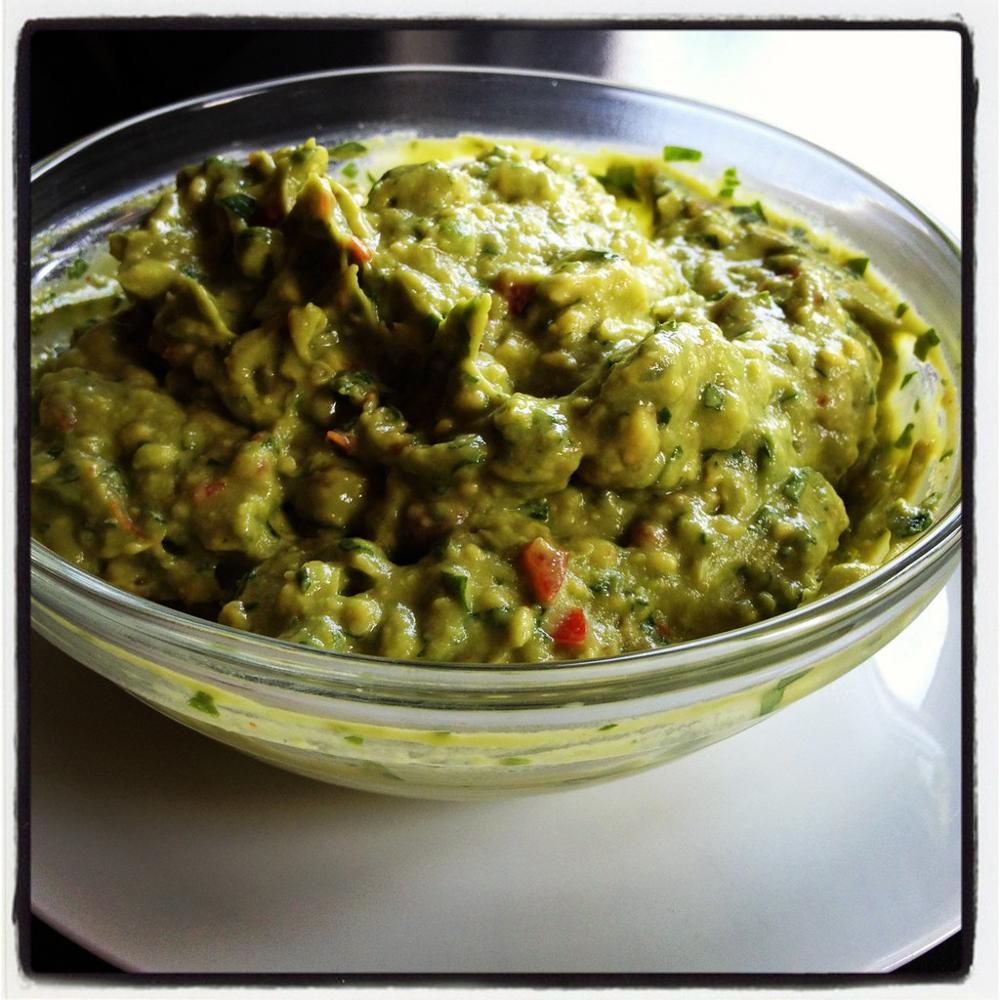
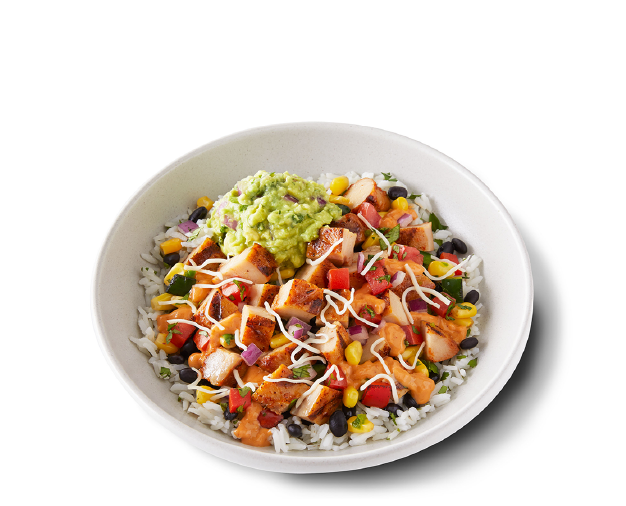
Illustrative licensed food photograph, not an official QDOBA product or evidence of current US portions, availability or prices.Guacamole. Photo: You As A Machine · Source · CC BY-SA 2.0 · Display cropped to fit.
Your QDOBA order, with sources
Ingredient portions are not complete entrées. Standard-portion combinations are calculated totals; changed portions are estimates. US source published February 26, 2026, checked November 8, 2026. Prices remain Varies without a verified local amount.
Official nutrition brochureWhat this guide covers
- Separate a vegetarian preference from a verified ingredient list
- Use the source veggie bowl as a reproducible starting point
- Black beans and pinto beans are close, not identical
- Compare the rice choices at equal listed weights
- Dairy additions create several different vegetarian builds
- Guacamole is not nutritionally interchangeable with cheese
- Impossible is an optional select-location addition
- No-rice bowls and salads require new totals
- Formats and sides change more than presentation
- FAQs: vegan differences, eggs, and a clear ordering script
- Review a meatless basket before ordering
Separate a vegetarian preference from a verified ingredient list
A vegetarian order starts with deciding which animal-derived ingredients you exclude. Some diners include dairy and eggs; others do not. Vegan ordering requires additional exclusions and is not interchangeable with ordering without meat. This guide uses the QDOBA US Nutrition Brochure dated February 26, 2026, with source data checked November 8, 2026. The dataset supplies nutrition and serving names, not complete recipes, cooking-medium disclosures, or certification of vegetarian preparation. Treat the combinations below as planning builds whose ingredients and preparation should be confirmed when strict compliance matters. Ask about rice, beans, vegetables, sauces, cheese ingredients, and shared utensils rather than assuming an item's name settles every question. Availability is also separate from nutrition, particularly for Plant-Based Impossible, which is explicitly listed for select locations only. Numerical comparisons here show what the published servings add up to, not whether one vegetarian eating pattern is better than another.
Use the source veggie bowl as a reproducible starting point
The source meal file defines a rice, beans, and veggie bowl containing seasoned brown rice, black beans, fajita vegetables, pico, and 2-ounce guacamole. At the listed portions, it totals 170 + 140 + 40 + 5 + 80 = 435 calories. Protein is 4 + 9 + 1 + 0 + 1 = 15 grams, total carbohydrate is 69 grams, and sodium is 925 milligrams. The recipe uses 4 ounces each of rice and beans, 2 ounces each of vegetables and guacamole, and 1 ounce of pico. No cheese, sour cream, queso, tortilla, chips, or drink is included. That explicit inventory is more useful than calling it a veggie bowl and leaving the toppings unstated. It also provides a clean reference for comparing dairy additions, a different bean, or a different rice without changing several ingredients at once. Confirm the plant ingredients' preparation if your requirements are strict.
Black beans and pinto beans are close, not identical
A 4-ounce serving of black beans contains 140 calories, 9 grams of protein, 24 grams of total carbohydrate, and 330 milligrams of sodium. The same listed weight of pinto beans contains 130 calories, 8 grams of protein, 23 grams of carbohydrate, and 350 milligrams of sodium. Replacing black beans with pinto in the source veggie bowl therefore produces 425 calories, 14 grams of protein, 68 grams of carbohydrate, and 945 milligrams of sodium. The substitution reduces calories by 10 but increases sodium by 20 milligrams. Neither bean is nutritionally identical to the other, and neither is a substitute for checking preparation ingredients. Want both? If you add a full pinto portion while retaining the full black bean portion, the source bowl becomes 565 calories and 23 grams of protein. A mixed scoop totaling one serving is a different quantity and cannot automatically use that two-full-serving calculation.
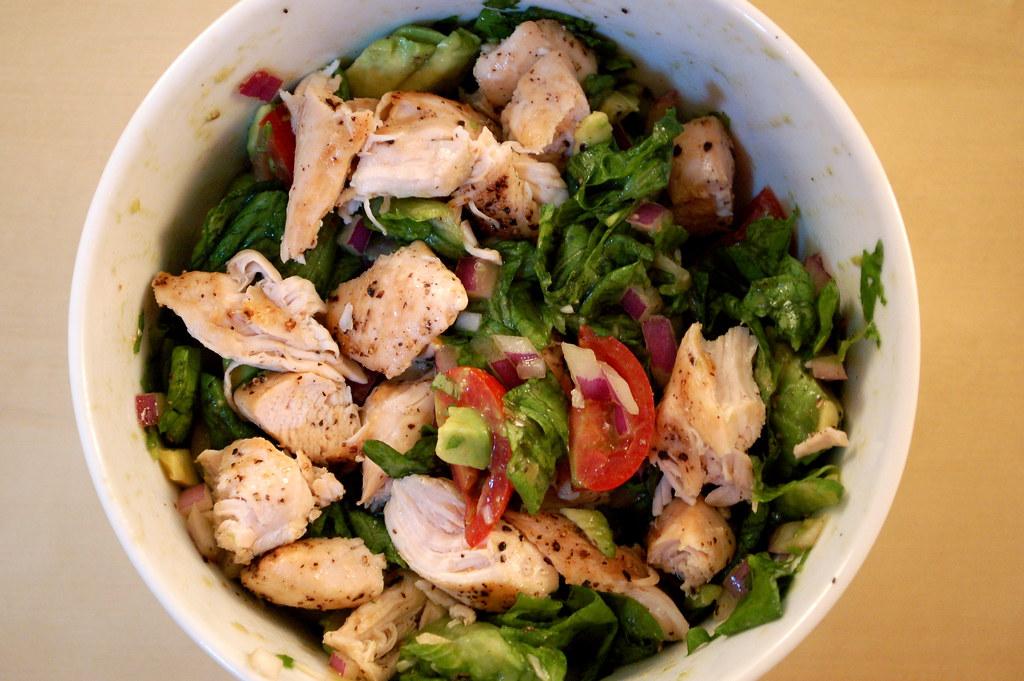
Illustrative licensed food photograph, not an official QDOBA product or evidence of current US portions, availability or prices.Sorta' guacamole chicken salad 2. Photo: Kimtaro · Source · CC BY 2.0 · Display cropped to fit.
Compare the rice choices at equal listed weights
Seasoned brown rice has 170 calories, 4 grams of protein, 36 grams of total carbohydrate, and 250 milligrams of sodium per 4 ounces. Cilantro lime rice has 190 calories, 3 grams of protein, 38 grams of carbohydrate, and 390 milligrams of sodium at the same weight. Using cilantro lime rice in the source veggie bowl changes the total to 455 calories, 14 grams of protein, 71 grams of carbohydrate, and 1,065 milligrams of sodium. Using both cilantro lime rice and pinto beans instead of brown rice and black beans yields 445 calories, 13 grams of protein, 70 grams of carbohydrate, and 1,085 milligrams of sodium. These are fixed swaps with modest carbohydrate differences. Rice choice does not determine whether a meal contains dairy, and a rice name does not reveal all cooking ingredients. Ask for preparation details separately from deciding which flavor or numerical profile you prefer.
Dairy additions create several different vegetarian builds
If dairy fits your vegetarian pattern, choose it by its actual portion. Adding 1 ounce of shredded cheese to the 435-calorie source veggie bowl produces 545 calories, 22 grams of protein, 70 grams of total carbohydrate, and 1,105 milligrams of sodium. Adding 2 ounces of Three Cheese Queso instead produces 515 calories, 18 grams of protein, 72 grams of carbohydrate, and 1,265 milligrams of sodium. Adding 1 ounce of sour cream instead produces 485 calories, 16 grams of protein, 72 grams of carbohydrate, and 935 milligrams of sodium. Those totals are alternatives, not cumulative additions. If you choose all three, the original bowl becomes 675 calories, 26 grams of protein, 76 grams of carbohydrate, and 1,455 milligrams of sodium. Cheese, queso, and sour cream should not share one generic dairy number. If cheese-making ingredients affect your vegetarian requirements, ask for ingredient information rather than assuming every cheese meets them.
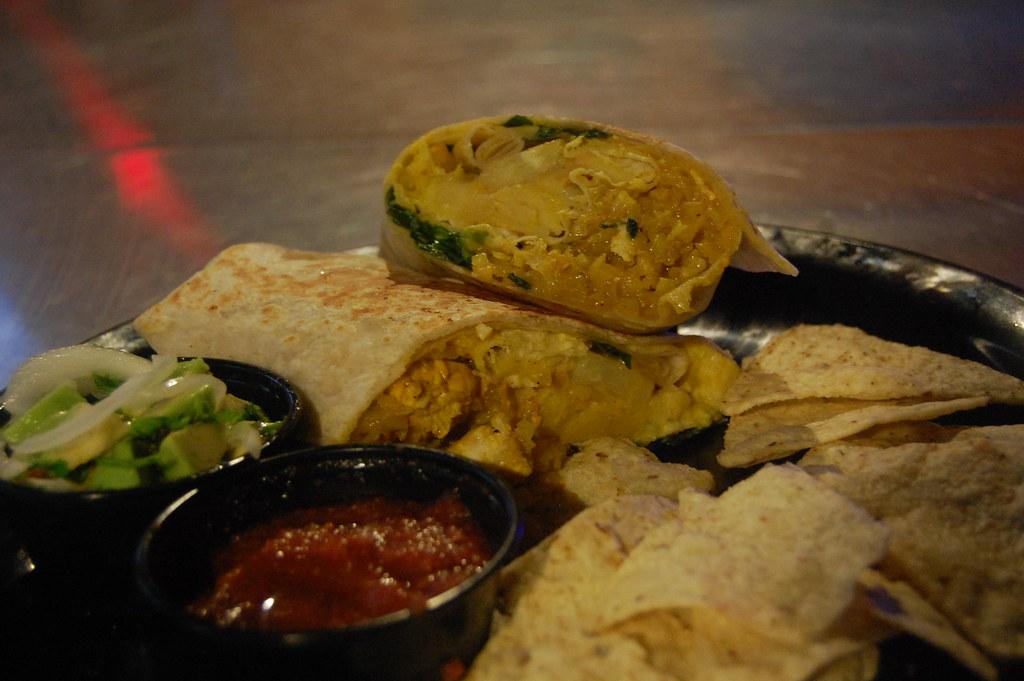
Illustrative licensed food photograph, not an official QDOBA product or evidence of current US portions, availability or prices.Mmm... beef and bean burritos. Photo: jeffreyw · Source · CC BY 2.0 · Display cropped to fit.
Guacamole is not nutritionally interchangeable with cheese
The source veggie bowl already includes the listed 2-ounce guacamole portion: 80 calories, 1 gram of protein, 5 grams of carbohydrate, and 160 milligrams of sodium. Replacing that guacamole with 1 ounce of shredded cheese produces a bowl totaling 465 calories, 21 grams of protein, 65 grams of carbohydrate, and 945 milligrams of sodium. Replacing it with 2 ounces of Three Cheese Queso produces 435 calories, 17 grams of protein, 67 grams of carbohydrate, and 1,105 milligrams of sodium. The queso version has the same calorie total as the guacamole version, but its other numbers differ. Increasing guacamole from the listed 2-ounce entry to the listed 4-ounce entry produces 525 calories, 16 grams of protein, 73 grams of carbohydrate, and 1,095 milligrams of sodium. Use the published 4-ounce values rather than doubling rounded 2-ounce numbers. Choose based on the actual topping and portion you intend to eat.
Impossible is an optional select-location addition
Plant-Based Impossible is listed at 170 calories, 13 grams of protein, 8 grams of total carbohydrate, and 350 milligrams of sodium per 3.1-ounce serving. The dataset explicitly limits it to select locations, so do not build your plan around guaranteed nationwide availability. Adding one portion to the source veggie bowl yields 605 calories, 28 grams of protein, 77 grams of carbohydrate, and 1,275 milligrams of sodium. Replacing the black beans with Impossible instead yields 465 calories, 19 grams of protein, 53 grams of carbohydrate, and 945 milligrams of sodium. Those are different orders: adding a protein and replacing beans should never share one total. The published Impossible Taco Salad is another separate entry, listed at 520 calories and 31 grams of protein. Its name alone does not establish its full ingredients, dairy status, or preparation. Confirm those details rather than applying a custom bowl's assumptions to the complete salad.
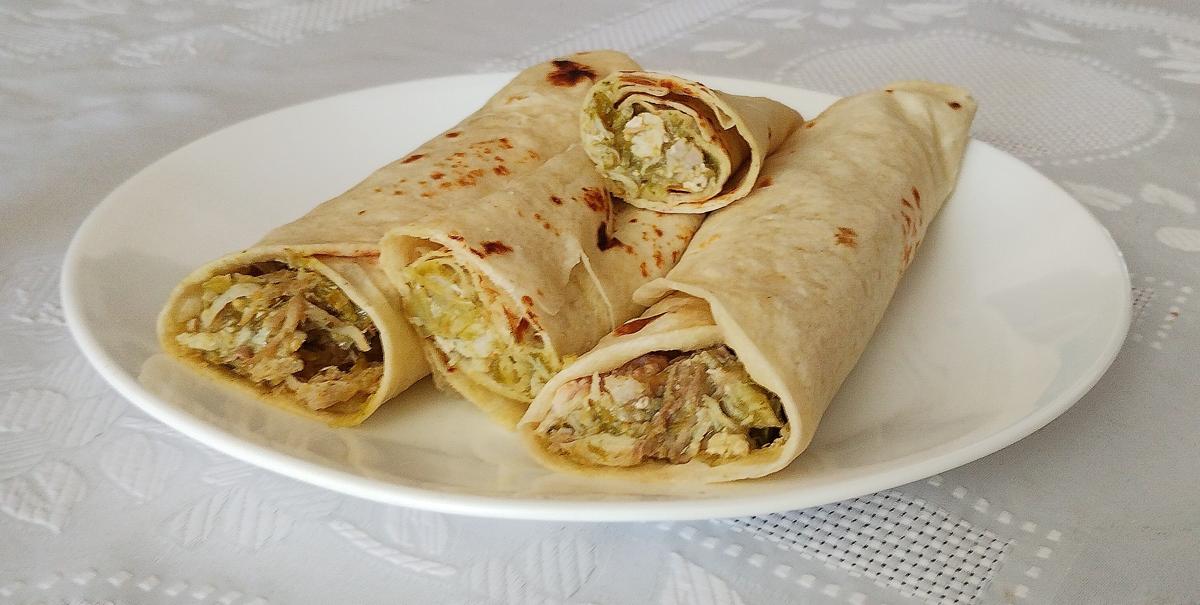
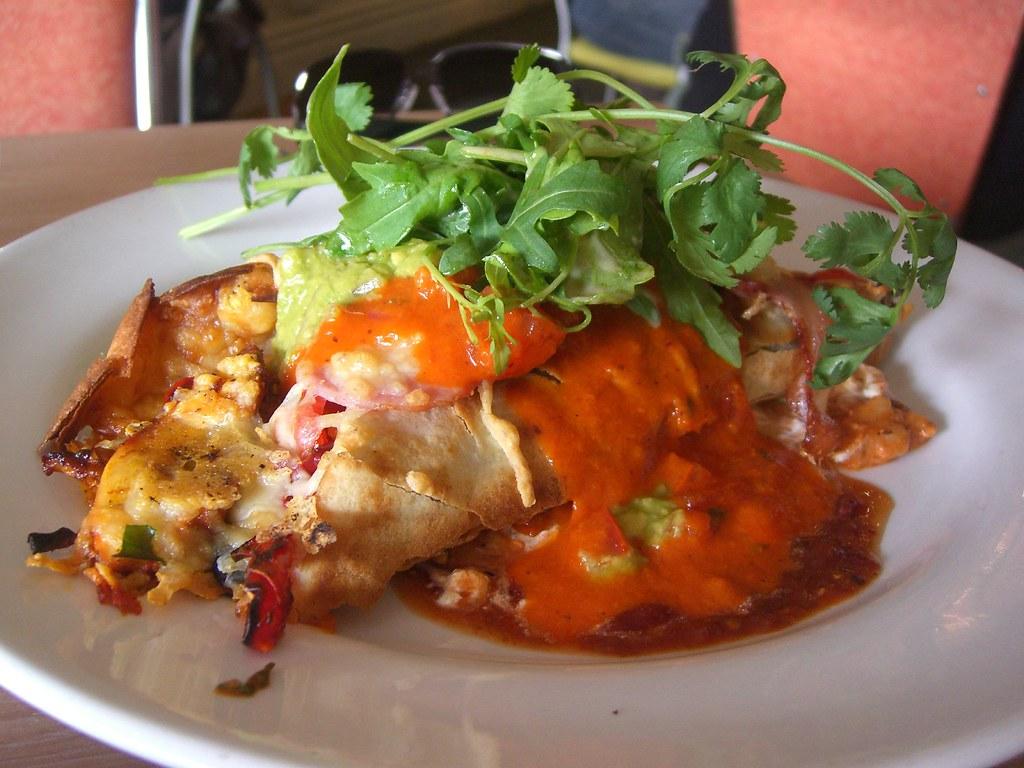
Illustrative licensed food photograph, not an official restaurant product or evidence of serving size, availability or prices.Burrito chihuahuense de chile verde.jpg. Photo: Levi bernardo · Source · CC BY-SA 4.0 · Display cropped to fit.
No-rice bowls and salads require new totals
Remove brown rice from the source veggie bowl and the remaining black beans, fajita vegetables, pico, and guacamole total 265 calories, 11 grams of protein, 33 grams of total carbohydrate, and 675 milligrams of sodium. Add the listed 3.5-ounce romaine salad portion and the total becomes 280 calories, 12 grams of protein, 36 grams of carbohydrate, and 685 milligrams of sodium. That calculation includes no dressing. Citrus vinaigrette adds 100 calories, 7 grams of carbohydrate, and 330 milligrams of sodium per 1.5 ounces; its name is not proof of vegetarian or vegan ingredients. Picante ranch adds 80 calories, 1 gram of protein, 3 grams of carbohydrate, and 180 milligrams of sodium at the listed 1.5-ounce portion. Ask about ingredients before choosing either for a dietary restriction. A crunchy tortilla shell adds another 390 calories, so a salad served in an edible shell is not equivalent to the same filling in a plain bowl.
Formats and sides change more than presentation
Putting the source veggie filling into a 12.5-inch flour tortilla adds 300 calories, 8 grams of protein, 52 grams of carbohydrate, and 760 milligrams of sodium. The resulting custom burrito totals 735 calories, 23 grams of protein, 121 grams of carbohydrate, and 1,685 milligrams of sodium. Confirm tortilla ingredients if they matter to your vegetarian definition. A 4-ounce tortilla chip serving contributes 560 calories and 75 grams of carbohydrate before dip. With 2 ounces of guacamole, that side combination totals 640 calories, 8 grams of protein, 80 grams of carbohydrate, and 380 milligrams of sodium. With 2 ounces of Three Cheese Queso instead, it totals 640 calories, 10 grams of protein, 78 grams of carbohydrate, and 560 milligrams of sodium. The equal calorie totals do not make the dips interchangeable, and neither chips-and-dip calculation includes an entree. Keep the full order visible when making comparisons.
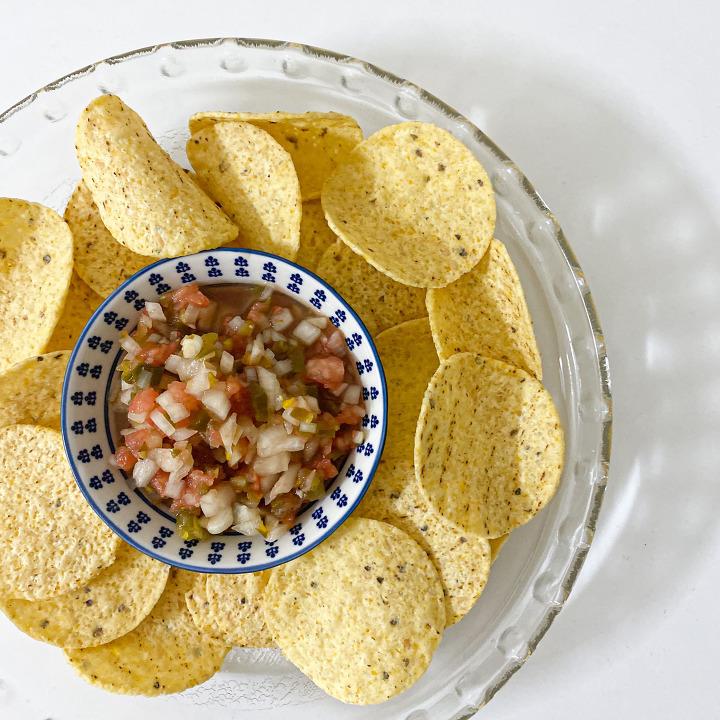
Illustrative licensed food photograph, not an official restaurant product or evidence of serving size, availability or prices.Homemade salsa with nachos 1.jpg. Photo: 에그란 · Source · CC BY 4.0 · Display cropped to fit.
FAQs: vegan differences, eggs, and a clear ordering script
Is vegetarian the same as dairy-free? No. A vegetarian build may include cheese, queso, or sour cream, while a dairy-free request excludes those ingredients but does not itself exclude meat or eggs. Are eggs available? The dataset lists a 6-ounce egg portion at 230 calories and 19 grams of protein, but that listing does not confirm current local availability or service hours. Is the Fajita Vegan Bowl identical to the source veggie bowl? No. The complete item is listed at 530 calories, 17 grams of protein, 79 grams of carbohydrate, and 1,350 milligrams of sodium, distinct from the 435-calorie custom build. What should you ask for? Specify brown rice, black beans, fajita vegetables, pico, and 2-ounce guacamole, then name any dairy additions. Ask staff to confirm ingredients and preparation relevant to your requirements. Keeping nutrition math, dietary exclusions, and local availability as separate questions makes the order easier to verify.
Review a meatless basket before ordering
Check the final ingredient list rather than relying only on the entrée label. A rice-and-bean bowl with dairy is a different ordering decision from a plant-focused bowl, even when both omit meat. If you select a published signature recipe, do not add its included vegetables and toppings again as though they were missing. If you start from ingredients, count each chosen portion exactly once. Ask whether any unavailable component will be substituted, and review the replacement before accepting it. Current ingredient information and your own definition of vegetarian suitability should guide that decision. Nutrition totals cannot settle it by themselves.
See the full QDOBA menu
Prices, calories and macros for every item, or build a meal in the calculator.
Sources and corrections
Nutrition figures on Well.now come from official US restaurant sources, linked on each brand page with a last-checked date. Prices use verified local amounts first, then clearly labeled sourced estimates; Varies appears when neither is available. See our sources and methodology, or email be@well.now with a correction.
About the Well.now Editorial Team
This article was written and fact-checked by the Well.now Editorial Team. We check nutrition claims against each chain's official US information and never publish prices we cannot confirm. Well.now is independent and not paid by any restaurant. Read our editorial policy.