 Franchise
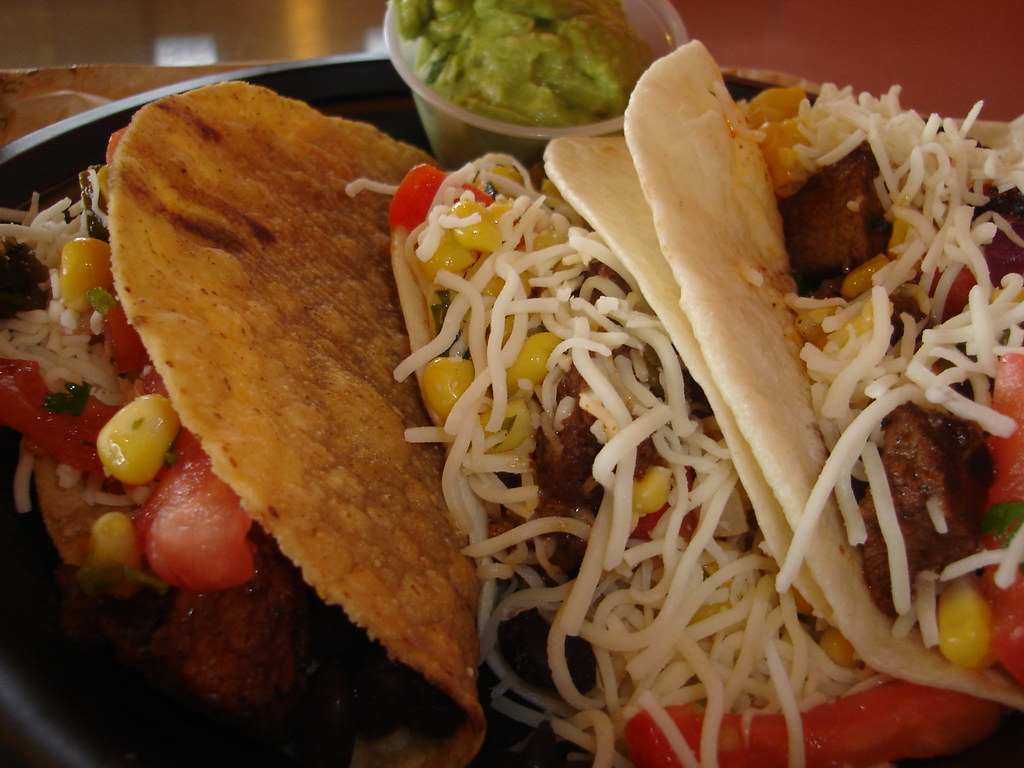
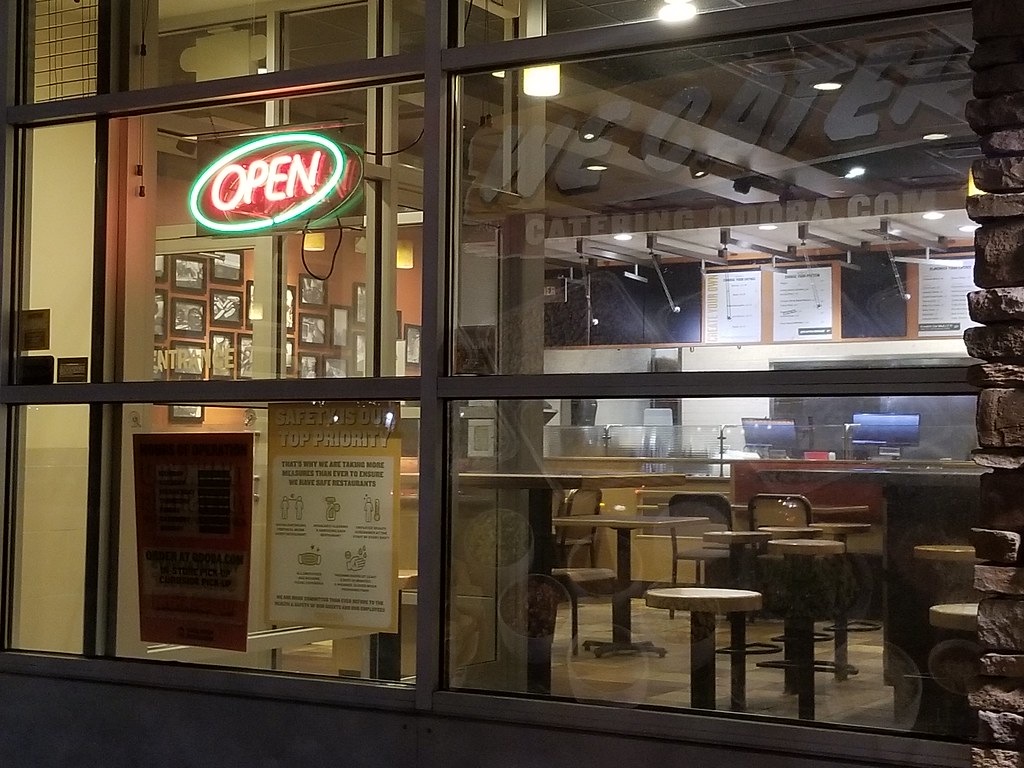
Illustrative food or restaurant photograph; not evidence of current US menu availability, portions or prices.Restaurant storefronts at Tysons Galleria. Photo: Ser Amantio di Nicolao · Source · CC BY-SA 3.0 · Display cropped to fit.
Blog posts about franchise costs love big round numbers: one brand costs this many million, another costs a few hundred thousand. Those figures go out of date quickly and are rarely sourced. We do not publish franchise cost estimates for individual brands. Instead, this guide shows you where the official numbers live in the US, what each cost line means, and how to compare brands fairly.
Nothing here is financial or legal advice. Opening a franchise is a major decision, and you should work with a franchise attorney and an accountant who can review the documents for the specific brand you are considering.
What this guide covers
- The one document that matters: the FDD
- Item 5 and Item 6: fees you pay
- Item 7: the estimated initial investment
- Item 19: what units actually earn
- Costs that are easy to miss
- Menu labeling rules for restaurant chains
- Questions to ask before you sign
- Comparing brands side by side
- The bottom line
- Questions to ask existing franchisees
- Ongoing fees that affect profit
- Reading Item 19 carefully
- Getting professional help
- Where to find the official documents
The one document that matters: the FDD
In the US, franchisors must give prospective franchisees a Franchise Disclosure Document, usually called the FDD, before any agreement is signed or money changes hands. The FDD follows a standard format set by the Federal Trade Commission's Franchise Rule, with 23 numbered items. Because every franchisor uses the same structure, the FDD is the best way to compare one brand with another.
Some states also require franchisors to register their FDD with a state agency, and several of those states make filed documents searchable online. That means you can often read a brand's recent disclosure before you even contact it. When a blog post quotes a franchise cost, the FDD is where that number should have come from, and the year of the FDD matters.
Item 5 and Item 6: fees you pay
Item 5 covers initial fees, most commonly the upfront franchise fee you pay for the right to open under the brand. It explains when the fee is due, whether any part is refundable, and whether it varies by territory or by the number of units you commit to open.
Item 6 lists other fees, including ongoing royalties, usually charged as a percentage of sales, and advertising or marketing fund contributions. It also covers technology fees, training fees, renewal and transfer fees, and audit costs. Royalties and marketing contributions are taken from revenue, not profit, so they matter even in a slow month.
Item 7: the estimated initial investment
Item 7 is the table most people mean when they ask what a franchise costs. It estimates the total initial investment as a low and high range, broken down into lines such as the franchise fee, real estate and rent, construction or remodeling, kitchen equipment, signs, opening inventory, insurance, licenses, training travel and additional funds for the first months of operation.
The range can be wide. A small counter-service shop in an existing space sits at one end; a freestanding building with a drive-thru, bought land and full construction sits at the other. Read every line rather than the total. Ask which costs are excluded, such as land purchase, and whether the estimate reflects recent construction prices in your area.
Item 19: what units actually earn
Item 19 is the financial performance representation. It is optional, so not every franchisor includes one. When it is included, it might show average or median sales, sometimes costs, for existing units. Read the notes carefully: which units are included, what time period, and whether company-owned stores are mixed in with franchised ones.
If a franchisor does not provide Item 19, sales staff generally should not give you earnings claims outside the document. Speaking with current and former franchisees, whose contact details appear in Item 20, is often the best way to understand real results.
Costs that are easy to miss
Working capital is the money that keeps the business running before it earns enough to pay for itself. Many new owners underestimate how long that takes. Remodel requirements are another; many agreements require periodic updates to keep the restaurant in line with current brand standards, at your expense.
Your own time is a cost too. Some brands require an owner-operator who works in the restaurant full time. Others allow investors who hire managers. Make sure the model fits the role you want, and the income you need while the business grows.

Illustrative food or restaurant photograph; not evidence of current US menu availability, portions or prices.Restaurant Kitchen. Photo: Michael Browning · Source · CC CC0 1.0 · Display cropped to fit.
Questions to ask before you sign
Ask how many units opened and closed in recent years, which you can check in Item 20. Ask what support you get for site selection, training and opening. Ask how the marketing fund is spent and whether you have a say. Ask what territory protection you receive, if any, and what happens if you want to sell or leave.
Above all, ask existing franchisees what they wish they had known. Their answers usually tell you more than any sales presentation.
Comparing brands side by side
When you shortlist several brands, put their Item 7 tables next to each other, line by line, rather than comparing only the totals. Check that each estimate covers the same things. One brand might include real estate while another assumes you lease an existing space. Note the FDD issue date for each, since an older document may not reflect current building and equipment costs.
The bottom line
The honest answer to what a franchise costs is: read the current FDD for that brand. Items 5, 6 and 7 cover fees and the initial investment, Item 19 covers performance if it is offered, and Item 20 points you to the people who can tell you what it is really like. Review it with a professional before committing any money.
If you already run a franchise, consider sharing what you learned on our community page. First-hand experience, clearly dated, helps people who are just starting their research. We never publish claimed earnings or costs as facts, but honest stories about the process are useful to everyone weighing the decision.
Questions to ask existing franchisees
The Franchise Disclosure Document lists current and former franchisees with contact details, and talking to them is one of the most valuable steps in your research. Ask how long it took them to open, how close their real startup costs were to the ranges in Item 7, and how long it took to reach break-even. Ask what surprised them in the first year, how much support they received from the franchisor and whether they would buy the franchise again.
Speak to several owners in different markets, including some who have left the system. Former franchisees can give a candid view of what went wrong, even if their situation does not match yours. Patterns across many conversations are more reliable than any single story.

Lakeview Restaurant interior, Douthat State Park, Virginia, US.DO - Lakeview Restaurant Interior. Photo: vastateparksstaff · Source · CC BY 2.0 · Display cropped to fit.
Ongoing fees that affect profit
The initial franchise fee is only the beginning. Most systems charge a royalty, usually a percentage of gross sales, every week or month. Many also charge a marketing or advertising fund contribution, technology fees for point of sale and online ordering, and fees for training, renewals and transfers. Because royalties are based on sales rather than profit, they are owed even in a month when the restaurant loses money.
Item 6 of the FDD lists these ongoing fees. Build them into a monthly model alongside rent, labor, food costs, insurance, utilities and loan payments. A franchise that looks affordable to open can be tight to run once every recurring charge is included.
Reading Item 19 carefully
Item 19 is where a franchisor may share financial performance information, such as average sales or, less often, profit data. Not every franchisor includes it, and those that do may present only certain types of locations. Read the notes that explain which restaurants are included, how many reported and over what period. A system average can hide a wide range between the strongest and weakest restaurants.
If Item 19 shows sales but not costs, you will need to estimate expenses yourself using what franchisees tell you and local figures for rent and wages. Never assume that your restaurant will match the average, especially in a new or untested market.
Getting professional help
Buying a franchise is a major legal and financial commitment. A franchise attorney can review the FDD and franchise agreement and explain terms such as territory rights, renewal conditions, transfer restrictions and what happens if you want to leave. An accountant who works with restaurants can test your financial model and help you understand financing options.
Their fees are small compared with the total investment and can save you from costly surprises. Well.now provides general information only and does not give legal, tax or investment advice. Use this guide to prepare better questions, then rely on qualified professionals for decisions.
Where to find the official documents
Several US states that register franchises publish FDDs online, and franchisors must provide the document to prospective buyers before any agreement is signed or money is paid. Request the latest version directly from the franchisor, check its issue date and compare it with earlier years if you can. Changes in fees, store counts and closures over time tell you a lot about the health of a system.
Sources and corrections
Nutrition figures on Well.now come from official US restaurant sources, linked on each brand page with a last-checked date. Prices show only when confirmed at a named location. See our sources and methodology, or email be@well.now with a correction.
About the Well.now Editorial Team
This article was written and fact-checked by the Well.now Editorial Team. We check nutrition claims against each chain's official US information and never publish prices we cannot confirm. Well.now is independent and not paid by any restaurant. Read our editorial policy.