 Guides
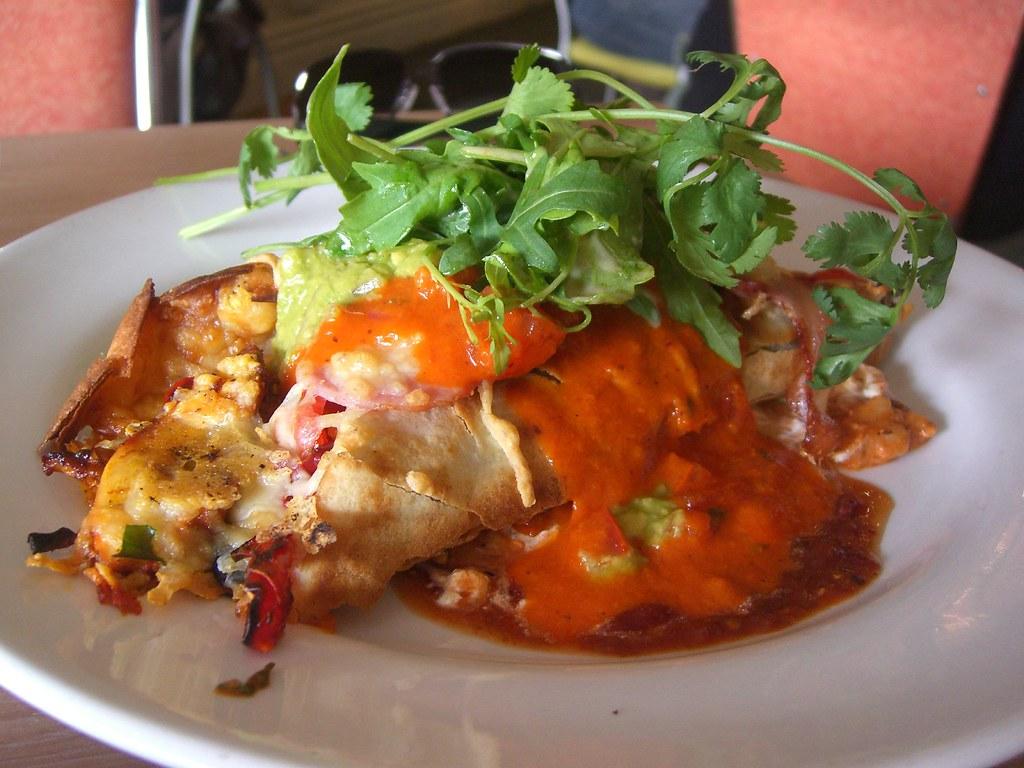
Illustrative licensed food photograph, not an official QDOBA product or evidence of current US portions, availability or prices.Breakfast burrito at Tod Mountain Cafe. Photo: Ruth and Dave · Source · CC BY 2.0 · Display cropped to fit.
Your QDOBA order, with sources
Ingredient portions are not complete entrées. Standard-portion combinations are calculated totals; changed portions are estimates. US source published February 26, 2026, checked November 8, 2026. Prices remain Varies without a verified local amount.
Official nutrition brochureWhat this guide covers
- Know the source and its limits
- Read the portion before comparing the numbers
- Build one complete ingredient calculation
- Compare rice and beans with exact substitutions
- Choose protein using more than its name
- Count tortillas and shells as substantial components
- Track toppings by the portion actually selected
- Keep sodium comparisons independent from calories
- Distinguish complete meals from ingredient models
- Include chips, drinks, and dessert in the total
- Do not invent fiber, net carbohydrates, or corrected calories
- Use nutrition data without extending it beyond its purpose
- Make a nutrition estimate you can explain
Know the source and its limits
The supporting dataset comes from the QDOBA US nutrition brochure dated February 26, 2026, and was checked November 8, 2026. It includes ingredient portions, selected complete meals, beverages, and desserts. Available nutrient fields are calories, protein, carbohydrates, fat, and sodium. Prices and fiber are unavailable in this dataset, and missing information must not be treated as zero. The values describe the source’s stated portions and builds, not a laboratory measurement of every customized restaurant order. Use them for transparent planning and comparison while recognizing that actual portions can vary. Before calculating, identify whether you are using an ingredient entry or a complete meal entry. Mixing those two types without understanding the build is a common source of double counting and misleading totals.
Read the portion before comparing the numbers
A nutrition value is meaningful only alongside its serving description. Black beans are listed per 4 ounces, grilled adobo chicken per 3.5 ounces, guacamole in separate 2-ounce and 4-ounce entries, and flour tortillas by diameter. Comparing a large serving of one ingredient with a small serving of another may answer the wrong question. Start by deciding whether you want to compare standard listed portions or equivalent weights, and be explicit about which approach you use. For restaurant planning, listed portions are often the more practical reference because they correspond to the source’s published entries. Do not assume a request for light, extra, or half maps precisely to one of those weights. When the served amount is uncertain, keep the estimate conditional rather than giving it false precision.
Build one complete ingredient calculation
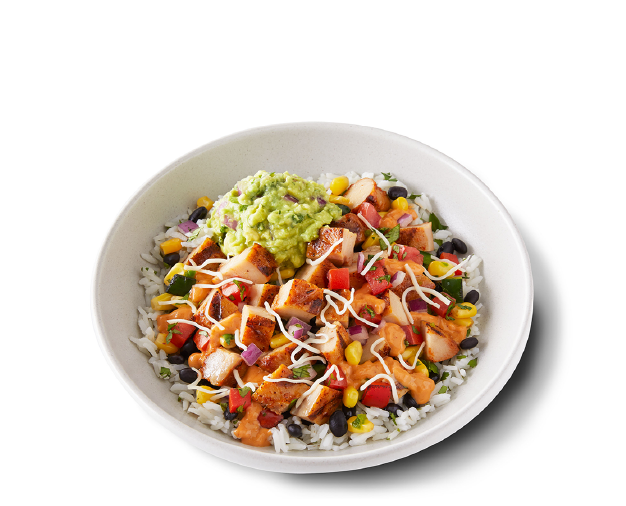
Consider an illustrative bowl with 3.5 ounces of grilled adobo chicken, 4 ounces of cilantro lime rice, 4 ounces of black beans, 2 ounces of fajita vegetables, and 1 ounce of pico de gallo. Adding the published entries gives 565 calories: 190 plus 190 plus 140 plus 40 plus 5. Protein totals 32 grams, carbohydrates 68 grams, fat 18.5 grams, and sodium 1,345 milligrams. Each total comes from summing the same nutrient field across those five components. No tortilla, cheese, queso, guacamole, chips, dressing, or beverage is included. This is an ingredient-based planning example, not a claim that QDOBA sells a named bowl with exactly those amounts. Its usefulness lies in making every counted component visible and every omitted component clear.
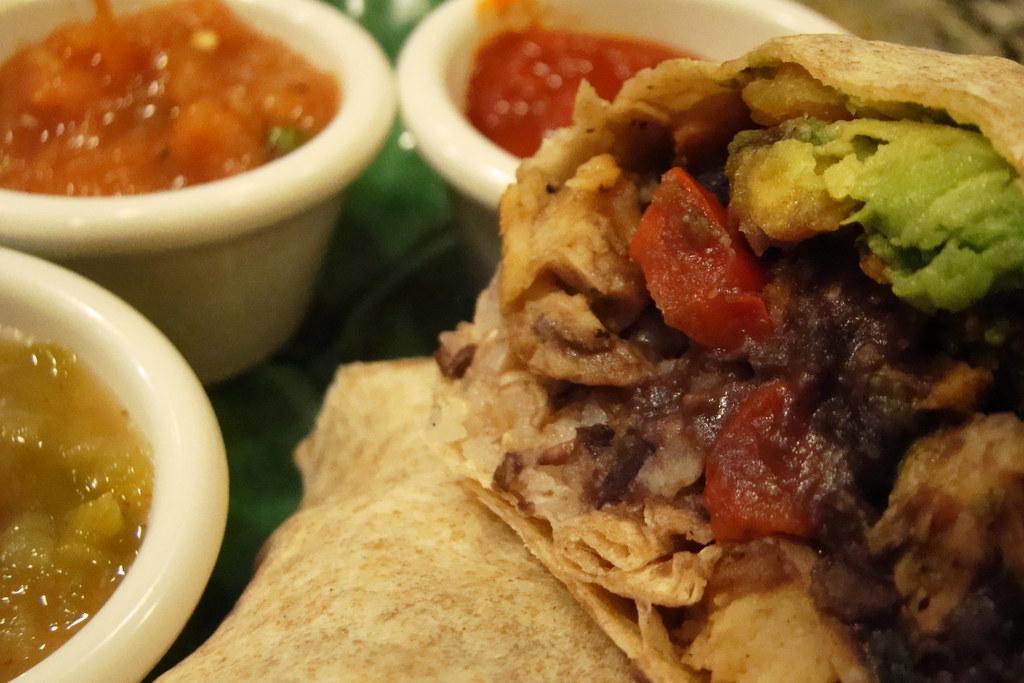
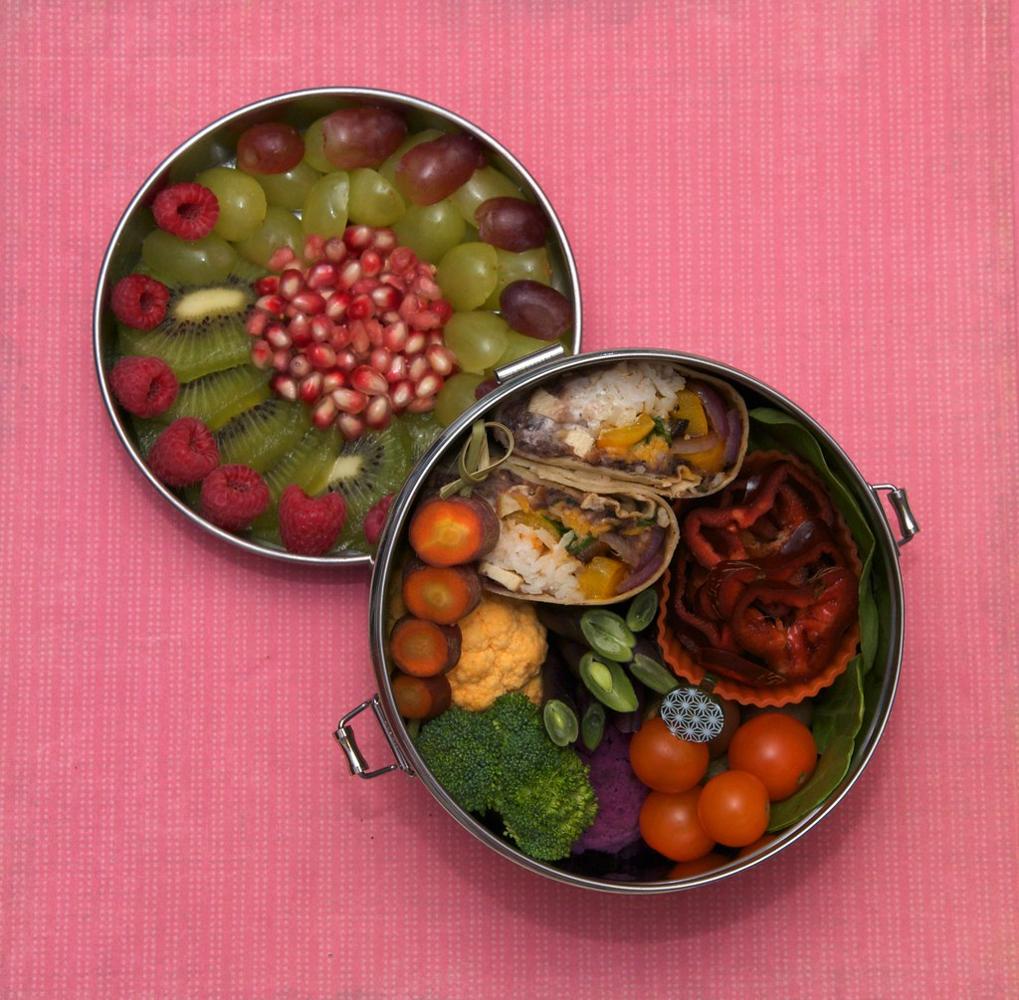
Illustrative licensed food photograph, not an official QDOBA product or evidence of current US portions, availability or prices.Cuban Burrito with Soy Chicken. Photo: Vegan Feast Catering · Source · CC BY 2.0 · Display cropped to fit.
Compare rice and beans with exact substitutions
The listed 4-ounce cilantro lime rice has 190 calories, 3 grams of protein, 38 grams of carbohydrates, 2.5 grams of fat, and 390 milligrams of sodium. Seasoned brown rice has 170 calories, 4 grams of protein, 36 grams of carbohydrates, 1.5 grams of fat, and 250 milligrams of sodium. Replacing the former with the latter in the example bowl produces 545 calories and 1,205 milligrams of sodium. Black beans have 140 calories, 9 grams of protein, and 330 milligrams of sodium per 4 ounces; pinto beans have 130 calories, 8 grams of protein, and 350 milligrams. Replacing black beans alone makes the original example 555 calories and 1,365 milligrams of sodium. Lower calories do not automatically mean lower sodium.
Choose protein using more than its name
The listed 3.5-ounce grilled adobo chicken serving has 190 calories, 19 grams of protein, 12 grams of fat, and 440 milligrams of sodium. Grilled steak at the same listed weight has 360 calories, 20 grams of protein, 28 grams of fat, and 600 milligrams of sodium. Pork carnitas has 110 calories, 14 grams of protein, 4.5 grams of fat, and 560 milligrams of sodium. Brisket birria has 140 calories, 15 grams of protein, 7 grams of fat, and 450 milligrams of sodium. These figures show why protein choice is not simply a ranking from leanest-sounding name to richest-sounding name. Decide which nutrients matter for your meal and compare the actual published entries. Availability and current recipes still need confirmation when ordering.
Count tortillas and shells as substantial components
A 12.5-inch flour tortilla contributes 300 calories, 8 grams of protein, 52 grams of carbohydrates, 7 grams of fat, and 760 milligrams of sodium. Adding it to the illustrative 565-calorie bowl ingredients yields 865 calories, 40 grams of protein, 120 grams of carbohydrates, 25.5 grams of fat, and 2,105 milligrams of sodium. That is arithmetic for the same modeled fillings plus the tortilla, not a verified standard burrito. The 10-inch flour tortilla has 210 calories, while the crunchy tortilla shell entry has 390 calories. Format can therefore change the total considerably. Confirm which tortilla or shell is used before calculating. A salad in an edible shell and a salad in a bowl are not nutritionally interchangeable merely because both contain lettuce.
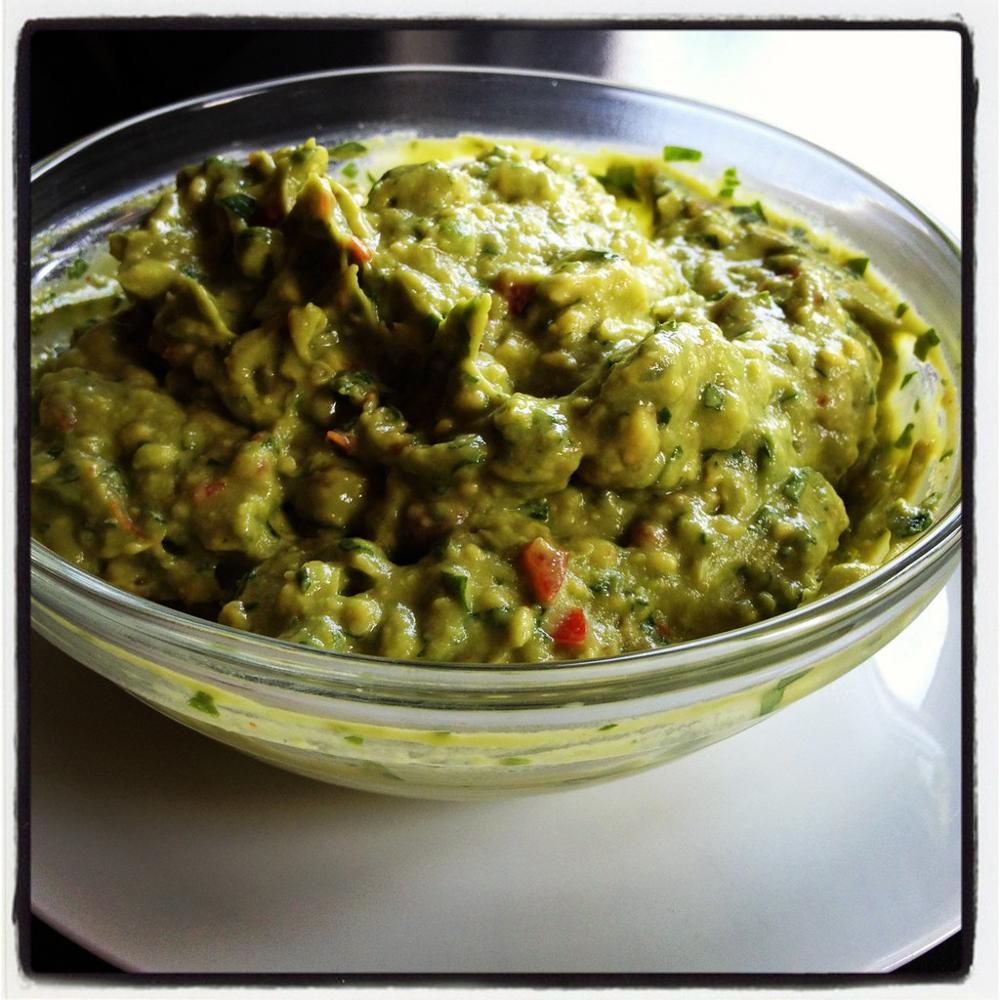
Illustrative licensed food photograph, not an official QDOBA product or evidence of current US portions, availability or prices.Delicious Salsa. Photo: ginnerobot · Source · CC BY-SA 2.0 · Display cropped to fit.
Track toppings by the portion actually selected
Shredded cheese contributes 110 calories, 7 grams of protein, and 180 milligrams of sodium per ounce. Sour cream contributes 50 calories and 10 milligrams of sodium per ounce. Three Cheese Queso has separate entries: 2 ounces provide 80 calories and 340 milligrams of sodium, while 4 ounces provide 170 calories and 670 milligrams. Guacamole likewise has a 2-ounce entry of 80 calories and 160 milligrams of sodium, and a 4-ounce entry of 170 calories and 330 milligrams. Use the matching published entry instead of forcing the larger portion to equal exactly twice the smaller one. Rounding and source calculations can produce differences. A request for extra topping also needs a portion assumption before it can support an exact nutrition estimate.
Keep sodium comparisons independent from calories
An ingredient can be low in calories yet contribute meaningful sodium to a combined meal. Salsa verde is listed at 10 calories and 240 milligrams of sodium per ounce. Roasted tomato salsa has 5 calories and 190 milligrams, pico de gallo has 5 calories and 70 milligrams, and salsa roja has 5 calories and 85 milligrams. These are distinct products, so selecting by calories alone misses a useful difference. For the illustrative bowl, replacing pico de gallo with salsa verde changes the total from 565 to 570 calories and from 1,345 to 1,515 milligrams of sodium. Whether that matters depends on the person’s needs and overall intake. The calculation simply makes the tradeoff visible instead of labeling all salsa choices nutritionally equivalent because their calorie values are small.
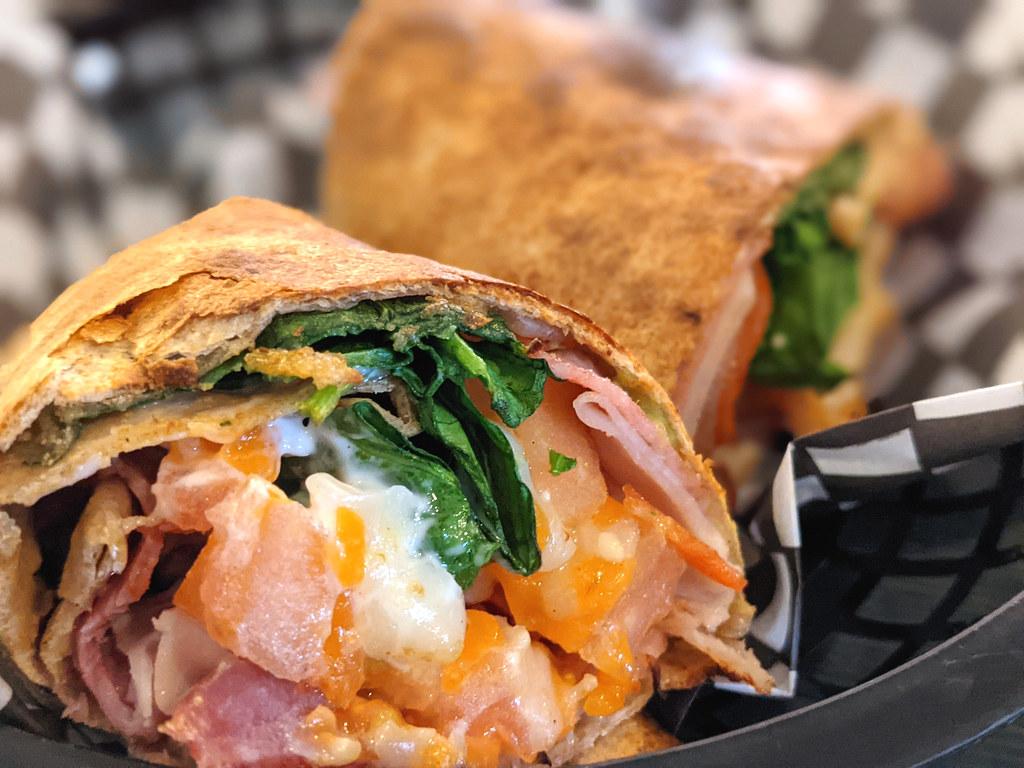
Illustrative licensed food photograph, not an official restaurant product or evidence of serving size, availability or prices.Burrito chihuahuense de chile verde.jpg. Photo: Levi bernardo · Source · CC BY-SA 4.0 · Display cropped to fit.
Distinguish complete meals from ingredient models
A complete meal entry already includes the source’s standard build. The listed Chicken Queso Bowl has 750 calories, 43 grams of protein, 74 grams of carbohydrates, 33 grams of fat, and 1,820 milligrams of sodium. The Chicken Queso Burrito has 1,050 calories, 51 grams of protein, 126 grams of carbohydrates, 40 grams of fat, and 2,580 milligrams of sodium. Their listed differences are 300 calories, 8 grams of protein, 52 grams of carbohydrates, 7 grams of fat, and 760 milligrams of sodium. Do not add every ingredient again to either complete entry. If you customize a signature meal, you need to know its original components and amounts before subtracting or replacing them. The dish name alone is not a complete recipe for accurate adjustment.
Include chips, drinks, and dessert in the total
The listed 4-ounce tortilla chip portion has 560 calories, 7 grams of protein, 75 grams of carbohydrates, 26 grams of fat, and 220 milligrams of sodium. Adding that full portion to the illustrative 565-calorie bowl produces 1,125 calories before a beverage or dip. The listed 20-fluid-ounce Coca Cola adds another 240 calories, bringing that combination to 1,365 calories. A chocolate chunk cookie adds 250 calories, while the listed double chocolate brownie adds 390 calories. These figures are not judgments about whether to order those foods. They show why an entrée-only total can understate the nutrition of the whole occasion. If chips are shared, the amount one person eats is uncertain unless measured. Do not automatically assign either the full bag or an arbitrary fraction without stating the assumption.
Do not invent fiber, net carbohydrates, or corrected calories
Fiber is unavailable in the supporting dataset, so it is not possible to calculate reliable net carbohydrates from these records. Missing fiber does not mean zero fiber. Likewise, do not infer sugar, saturated fat, or other absent nutrients from the available fields. Published calories may not exactly equal protein times four plus carbohydrates times four plus fat times nine because of rounding, calculation methods, or source-data issues. If a record appears inconsistent, preserve the published figures with an appropriate limitation rather than silently repairing them or claiming the values reconcile. The Quesabirria Burrito entry, for example, should not be used to demonstrate agreement between listed calories and macronutrient-derived calories. Exact addition of source fields is possible; independent verification of every source value is a different task.
Illustrative licensed food photograph, not an official restaurant product or evidence of serving size, availability or prices.Homemade salsa with nachos 1.jpg. Photo: 에그란 · Source · CC BY 4.0 · Display cropped to fit.
Use nutrition data without extending it beyond its purpose
Calories and macronutrients do not establish allergen status, gluten suitability, local availability, or price. QDOBA’s gluten-friendly guidance specifically does not guarantee that cross-contamination will never occur. Current ingredient and handling questions belong in a separate conversation with the restaurant. Children’s entrée portions are unavailable in this dataset, so do not derive a kids meal by halving an adult meal or ingredient list. Breakfast ingredients also do not establish that every restaurant serves breakfast. For catering, individual reference portions cannot determine what every buffet guest consumes. These boundaries are not minor technicalities. They keep a useful calculator from making claims it was never equipped to support. Use each source for the question it can answer, and leave unavailable information explicitly unresolved rather than filling gaps with plausible-looking assumptions.
Make a nutrition estimate you can explain
Begin with either a complete standard meal entry or a clearly listed set of ingredients. Record the serving size for every component and add calories, protein, carbohydrates, fat, and sodium separately. Include the tortilla or shell, toppings, side, drink, and dessert when they are part of the occasion. Use exact published entries for the modeled portions, but describe hand-portioned restaurant food as an estimate rather than a guaranteed measured total. Keep missing fiber and prices unavailable, and do not manufacture child portions or unsupported net carbohydrate figures. When comparing alternatives, change one component at a time so the result remains understandable. The strongest nutrition choice is not necessarily the lowest number. It is the meal that suits your needs, with a calculation transparent enough to show what was counted and what remains uncertain.
See the full QDOBA menu
Prices, calories and macros for every item, or build a meal in the calculator.
Sources and corrections
Nutrition figures on Well.now come from official US restaurant sources, linked on each brand page with a last-checked date. Prices use verified local amounts first, then clearly labeled sourced estimates; Varies appears when neither is available. See our sources and methodology, or email be@well.now with a correction.
About the Well.now Editorial Team
This article was written and fact-checked by the Well.now Editorial Team. We check nutrition claims against each chain's official US information and never publish prices we cannot confirm. Well.now is independent and not paid by any restaurant. Read our editorial policy.