 Nutrition
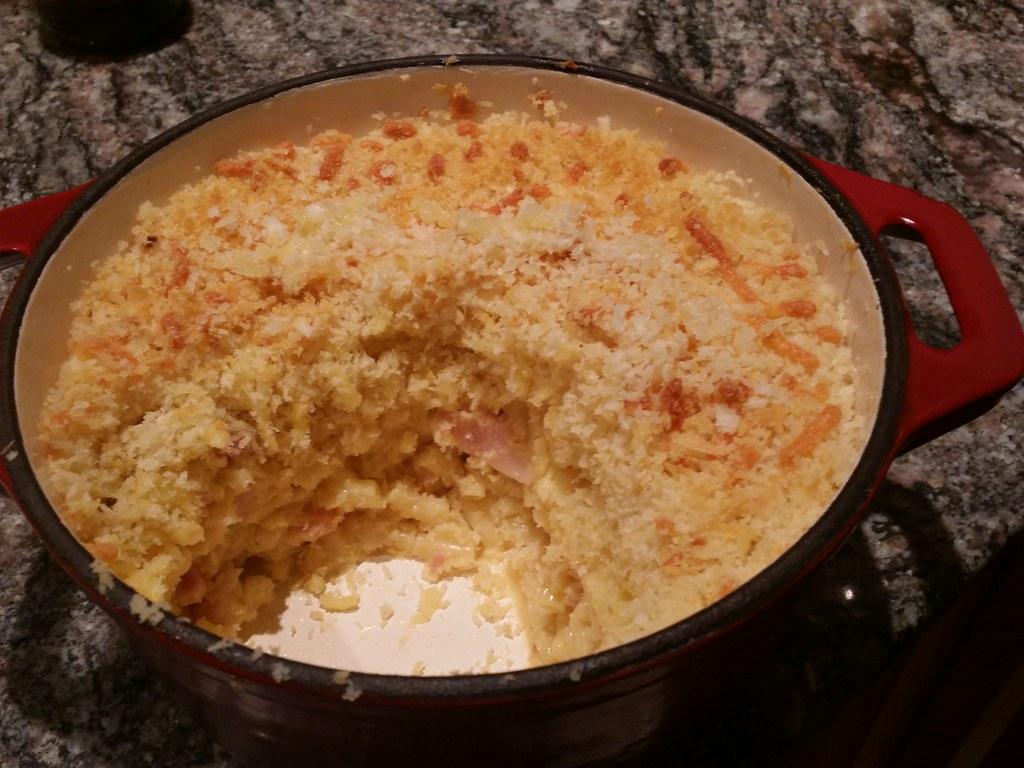
Illustrative licensed food photograph, not an official Golden Corral product or evidence of US portions, current availability or prices.Macaroni cheese bake - livetocook.com. Photo: Rob Galloway · Source · CC BY 2.0 · Display cropped to fit.
Published servings for this topic
| Food / serving | Calories | Protein | Carbs | Fat | Sodium |
|---|---|---|---|---|---|
| Baked Potatoes (1 each)173g | 160 cal | 4 g | 37 g | 0 g | 15 mg |
| Cinnamon Apples (1/4 cup)60g | 80 cal | 0 g | 15 g | 2.5 g | 50 mg |
| Homestyle Stuffing (1/2 cup)125g | 110 cal | 2 g | 15 g | 5 g | 530 mg |
| Macaroni and Cheese (1/2 cup)125g | 180 cal | 5 g | 19 g | 10 g | 540 mg |
| Mashed Potatoes (1/2 cup)113g | 200 cal | 2 g | 16 g | 15 g | 660 mg |
| Okra, Fried (10 each)48g | 110 cal | 1 g | 10 g | 7 g | 310 mg |
| Potatoes, French Fried (6 each)79g | 130 cal | 1 g | 11 g | 9 g | 210 mg |
| Scalloped Potatoes (1/2 cup)125g | 160 cal | 5 g | 17 g | 8 g | 470 mg |
Official US nutrition database checked 2026-11-15. No separate nutrition effective date confirmed. These are published recipe servings, not weighed buffet portions or guaranteed local offerings. Plate totals are calculated estimates. Blank allergen records do not mean allergen-free. Unconfirmed admission prices remain Varies.
Golden Corral official nutrition database ↗What this guide covers
- Give each side a purpose on your plate
- Separate the vegetable from its preparation
- Choose a starch you actually want
- Look at mashed potatoes and gravy separately
- Use a baked potato as a flexible base
- Treat macaroni and cheese as a featured choice
- Evaluate rice, beans, and mixed sides individually
- Notice when sweetness changes a side’s role
- Count bread as part of the combination
- Compare sodium where it accumulates
- Use smaller samples to resolve uncertainty
- Build combinations around contrast
- Log the recipe and the portion together
- Plan the next visit around favorites, not completeness
Give each side a purpose on your plate
Side dishes often determine the character of a Golden Corral meal more than the entrée does. Mashed potatoes suggest a different dinner from a baked potato with selected toppings, and a vegetable casserole fills a different role from a simply prepared vegetable. Start by deciding what you want beside your main dish: something comforting, something crisp, a substantial starch, or a mixture of flavors. This makes it easier to choose rather than collect. Golden Corral’s national materials describe a broad buffet, but they do not establish that every side is available at every restaurant or meal period. Check the actual spread before building a plate around a particular favorite.
Separate the vegetable from its preparation
A vegetable name tells only part of the story. Green beans can be prepared with seasonings or meat ingredients, carrots may have a sweet glaze, and broccoli may appear plain or covered in sauce. Those differences matter for flavor, dietary preferences, and nutrition comparisons. Ask how a dish is prepared when the answer affects your choice. Do not assume that two pans containing the same vegetable are nutritionally equivalent or that a vegetable-based dish is automatically vegetarian. When reviewing the official nutrition listings, match the full recipe name as closely as possible. The useful comparison is between the preparations you can actually select, not between generic ingredients found in a grocery database.
Choose a starch you actually want
Potatoes, rice, pasta, bread, and stuffing can all occupy the starchy part of a meal, but you do not have to take every category to enjoy the buffet. Ask which option best complements your entrée and which is worth returning for if you are still hungry. A small serving of a favorite may be more satisfying than a large collection of interchangeable starches. If you want several, consider starting with tasting portions rather than full scoops of each. This preserves room to discover what you enjoy most. It also makes nutrition estimates more manageable because you can identify the dishes you ate instead of remembering a broad mound of mixed sides.
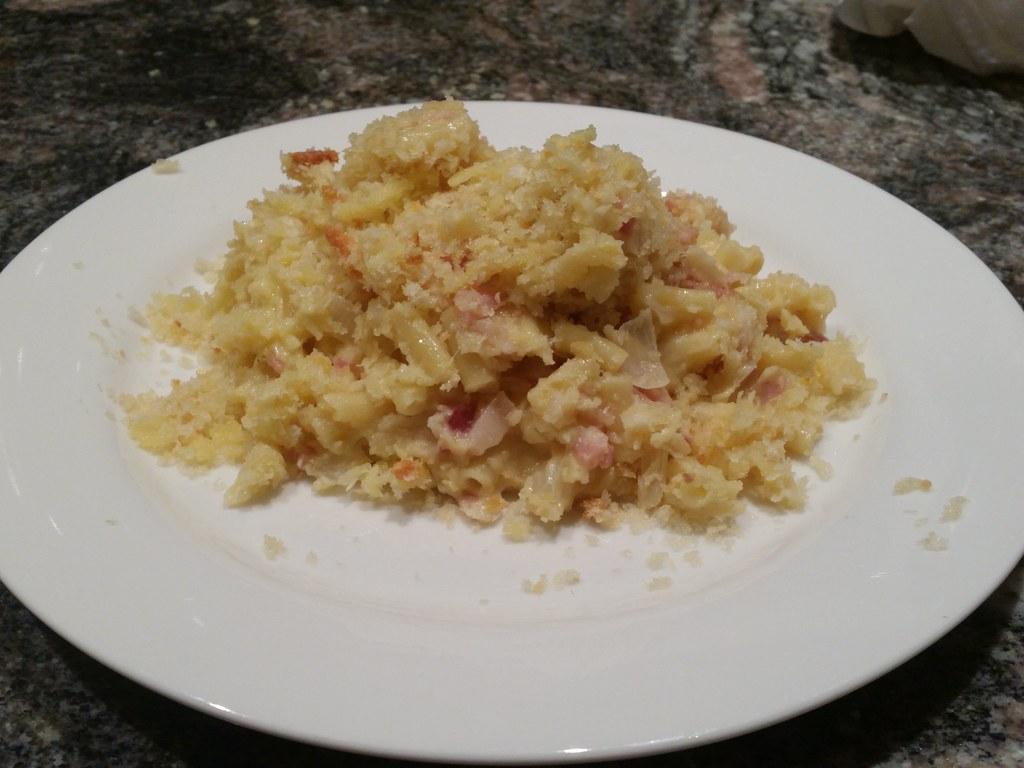
Illustrative licensed food photograph, not an official Golden Corral product or evidence of US portions, current availability or prices.Macaroni cheese bake - livetocook.com. Photo: Rob Galloway · Source · CC BY 2.0 · Display cropped to fit.
Look at mashed potatoes and gravy separately
Mashed potatoes and gravy are often treated as a single choice, but separating them mentally gives you more control over flavor and portions. The potatoes may already contain added ingredients, while the gravy contributes its own recipe and seasoning. If you enjoy both, record both when tracking the meal. If you mainly want the potatoes, there is no need to add gravy automatically. If the gravy is the part you love, choose a portion that allows you to taste it rather than spreading it across several unrelated dishes. People avoiding specific allergens or animal ingredients should ask about each component independently, because the potatoes and gravy may raise different ingredient questions.
Use a baked potato as a flexible base
When a baked potato is available, its appeal is the ability to choose what goes on top. That flexibility disappears if every topping is added by habit. Decide whether you want a simple potato beside an entrée or a loaded potato that functions as a substantial part of dinner. Butter-style spreads, sour cream, cheese, sauces, and meat toppings each change the finished dish. The plain potato’s nutrition entry cannot describe the complete result. For a more deliberate combination, pick the toppings that provide the strongest flavor payoff and leave off the rest. Also ask whether a displayed potato has already been brushed, seasoned, or otherwise prepared before assuming it is completely unadorned.
Treat macaroni and cheese as a featured choice
Macaroni and cheese can be the side you came for, not something that needs an apology. The practical issue is how it fits alongside the rest of the plate. If it is your favorite, make it a deliberate feature and choose other foods that provide contrast rather than adding several similar creamy starches. Recipes and seasonal versions may differ, so use the exact listing that matches the item being served. A special cheese blend should not automatically be logged as the standard recipe. Notice the portion description, too. A heaped serving spoon can represent a different amount from the published serving, even when the food looks like a modest addition beside a larger entrée.
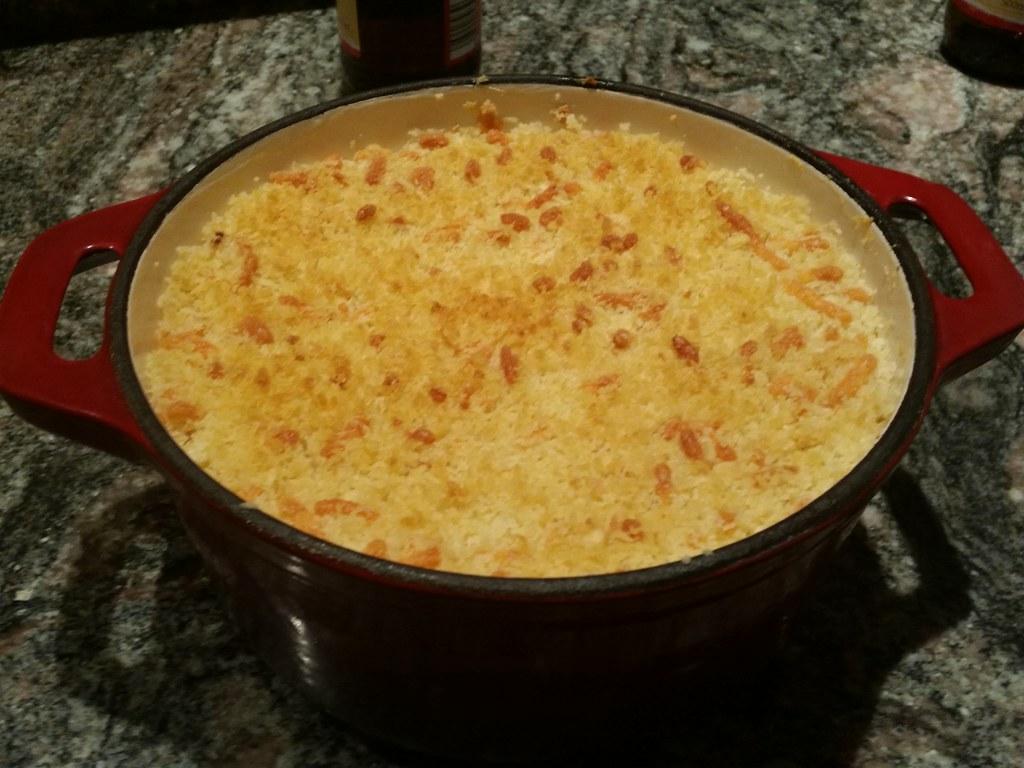
Illustrative licensed food photograph, not an official Golden Corral product or evidence of US portions, current availability or prices.Macaroni cheese bake - livetocook.com. Photo: Rob Galloway · Source · CC BY 2.0 · Display cropped to fit.
Evaluate rice, beans, and mixed sides individually
Rice and beans may sound straightforward, but mixed dishes can include cooking fats, broths, sauces, meat, and substantial seasoning. Ask about the actual preparation if you are vegetarian, avoiding an ingredient, or comparing sodium. Beans can provide fiber and protein, but that does not make every bean preparation identical. Rice may be plain, seasoned, or combined with other ingredients. Rather than deciding that one category is always preferable, look at what each dish contributes to your meal. A flavorful mixed side might need no additional sauce. A more neutral option may pair better with a strongly seasoned entrée. The best choice is often about compatibility as much as any single nutrient.
Notice when sweetness changes a side’s role
Sweet potato dishes, glazed vegetables, and corn-based preparations can sit on the savory buffet while bringing noticeable sweetness to the plate. That is not a reason to avoid them, but it is a reason to taste and choose intentionally. A casserole with a sweet topping may be the flavor highlight you want, while another diner may prefer a less sweet vegetable preparation. If carbohydrate or sugar is something you monitor, search for the named recipe rather than using the raw vegetable as a stand-in. The ingredient’s natural sweetness and the recipe’s added components are not the same thing. You can enjoy a sweet side without assuming it is nutritionally equivalent to an unadorned vegetable.
Count bread as part of the combination
Golden Corral highlights its yeast rolls in national menu descriptions, making bread an obvious part of the experience for many diners. The important planning question is whether the roll is replacing another starch or joining several of them. Neither arrangement is automatically wrong, but they create different meals. If a warm roll is a priority, leave room for it instead of treating it as an invisible extra. Any spread you add belongs in the complete picture as well. People with ingredient restrictions should verify the roll and spread separately rather than assuming that bread without a visible topping is suitable. The official restaurant site provides the brand-level menu context, not a personalized ingredient clearance.

Illustrative licensed food photo, not an official Golden Corral product, portion or price.pumpkin pancake breakfast. Photo: hlkljgk · Source · CC BY-SA 2.0 · Display cropped to fit.
Compare sodium where it accumulates
Sodium can accumulate across an entrée, gravy, seasoned vegetables, bread, and a creamy side even when no individual serving seems especially large. If you are watching it, compare the combined meal rather than searching for a single side that makes the plate low in sodium. The published data can help you identify which substitution matters most. For example, changing a sauce-heavy side may make more difference than removing a small garnish, but the answer depends on the actual recipes. Keep the comparison specific. Follow any limits provided by your clinician or dietitian, and do not assume that a dish described as homemade, homestyle, or vegetable-based meets a particular sodium target.
Use smaller samples to resolve uncertainty
A buffet makes it possible to taste before committing to a larger serving. If you are deciding between unfamiliar sides, start with a small amount of each and keep them separate enough to judge their flavor and texture. This is especially useful for seasonal casseroles or preparations whose names do not tell you much. You can then choose more of the one you enjoy rather than finishing a large scoop selected mainly from habit. Sampling is not a license to ignore ingredient questions, however. If an allergy or strict avoidance is involved, establish suitability first. A tiny taste is still exposure, and appearance cannot substitute for an ingredient and handling discussion with staff.
Build combinations around contrast
A satisfying plate often combines different textures instead of repeating one. A soft entrée with mashed potatoes and another soft casserole may be exactly what you want, but it can also feel monotonous. Adding a crisp salad or a vegetable with more bite may make the meal more interesting without requiring a complicated nutrition formula. Similarly, a strongly seasoned entrée may pair better with a simpler side than with another heavily sauced dish. Think about temperature, texture, and flavor intensity together. This approach does not label comfort foods as bad or vegetables as obligatory. It simply helps each item contribute something distinct, making a smaller selection feel complete rather than incomplete.

Illustrative licensed food photo, not an official Golden Corral product, portion or price.American Pancake Breakfast. Photo: Jonathan Rolande · Source · CC BY 2.0 · Display cropped to fit.
Log the recipe and the portion together
Use the Golden Corral nutrition calculator to compare realistic side combinations rather than isolated ideal servings. Enter the specific preparation, then account for gravy, cheese, butter-style spreads, or other additions separately when appropriate. If you took multiple spoonfuls, do not let a single database entry imply that the entire amount was one serving. At the same time, recognize the limits of visual estimates. Buffet tracking is usually approximate unless you have a reliable portion reference. The tool is most valuable for spotting patterns, such as how several rich sides combine, and for testing substitutions before the visit. It should support your decisions rather than turn dinner into an exercise in false precision.
Plan the next visit around favorites, not completeness
You do not need to try every side in one sitting to get value from a buffet. Remember which dishes you genuinely enjoyed and which you selected only because they were there. On your next visit, start with the favorites and leave space for one unfamiliar preparation if it appeals. Availability and pricing still need local confirmation, especially when you are visiting at a different meal period. The Golden Corral menu and prices guide can help frame those planning questions. A useful side-dish strategy is simple: identify the preparation, choose an appropriate amount, and make sure each item improves the meal. That produces a more personal plate than following a universal ranking of best and worst sides.
See the full Golden Corral menu
Prices, calories and macros for every item, or build a meal in the calculator.
Sources and corrections
Nutrition figures on Well.now come from official US restaurant sources, linked on each brand page with a last-checked date. Prices use verified local amounts first, then clearly labeled sourced estimates; Varies appears when neither is available. See our sources and methodology, or email be@well.now with a correction.
About the Well.now Editorial Team
This article was written and fact-checked by the Well.now Editorial Team. We check nutrition claims against each chain's official US information and never publish prices we cannot confirm. Well.now is independent and not paid by any restaurant. Read our editorial policy.