 Nutrition
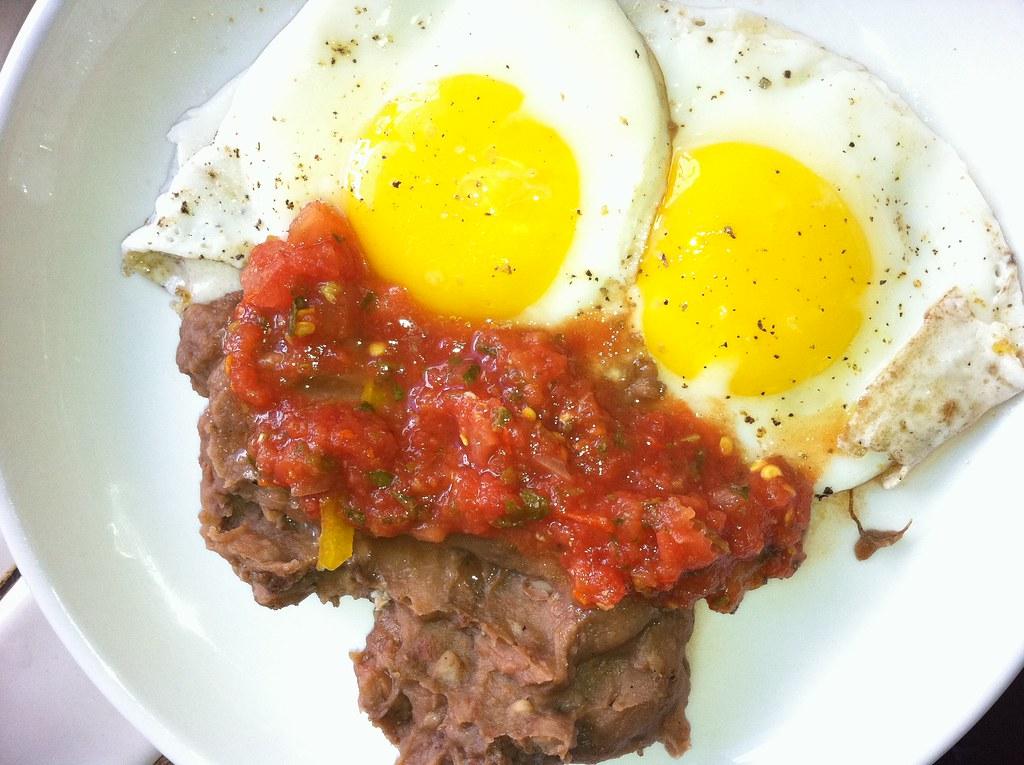
Illustrative licensed food photograph, not an official Golden Corral product or evidence of US portions, current availability or prices.First meal of the year. Better make it a good one. #maccas #breakfast #egg #mcmuffin. Photo: knster · Source · CC BY 2.0 · Display cropped to fit.
Golden Corral sources and plate planning
Official US nutrition database checked 2026-11-15. No separate nutrition effective date confirmed. These are published recipe servings, not weighed buffet portions or guaranteed local offerings. Plate totals are calculated estimates. Blank allergen records do not mean allergen-free. Unconfirmed admission prices remain Varies.
Golden Corral official nutrition database ↗What this guide covers
- Define what protein-focused means for your meal
- Use published protein values, not food stereotypes
- Concrete source servings to compare
- Make serving size the first comparison
- Choose one main protein anchor
- Read steak names beyond the word steak
- Match chicken by preparation and edible portion
- Treat seafood as several different choices
- Consider nonmeat contributions without guessing
- Let sides improve the meal rather than disappear
- Check calories and sodium alongside protein
- Keep sauces and toppings in the calculation
- Make seconds a targeted decision
- Verify offerings and do not confuse nutrition with safety
- Finish with a repeatable comparison method
Define what protein-focused means for your meal
A protein-focused Golden Corral meal starts with a clear question: are you looking for more protein in your usual meal, comparing entrées, or trying to meet a personal target you already use? Those goals do not necessarily lead to the same plate. The largest meat portion is not automatically the most practical choice, and a dish with a high protein listing may also have a large published serving. Start with foods you enjoy and can identify accurately. Then compare the protein contribution of realistic portions alongside any other nutrients you care about. This approach is more useful than treating every meat dish as equivalent or searching for one universally best buffet item.
Use published protein values, not food stereotypes
Golden Corral's official nutrition information provides protein alongside serving size, calories, sodium, and other nutrients. Use those dish-specific listings instead of assigning a generic value to chicken, steak, or seafood. This article follows the supplied dataset edition labeled checked November 15, 2026; no separate nutrition-data effective date is confirmed. Published values apply to the specified serving, while totals for a plate you assemble yourself are calculated estimates. Preparation and serving size both matter. A familiar ingredient name does not tell you how much protein is present in the complete restaurant dish, especially when the serving includes sauce, vegetables, breading, or other components.
Concrete source servings to compare
The source lists Ribeye (3 oz) at 170 calories, 23 grams protein, 0 grams carbohydrate, 9 grams fat and 440 milligrams sodium, with a stated weight of 85g. The source lists Bourbon Street Chicken (3 oz) at 170 calories, 19 grams protein, 4 grams carbohydrate, 9 grams fat and 350 milligrams sodium, with a stated weight of 85g. These are exact published reference servings, not measurements of the food on your buffet plate. Keep the different weights visible rather than ranking unequal amounts as though they were identical. Select the matching entries in the calculator to compare the whole meal, including any separately added toppings. The resulting plate total remains a calculated estimate because self-served quantities can differ from the source. Current local availability must also be confirmed separately; a database listing is not a promise that the dish is on today’s buffet.
Make serving size the first comparison
Before deciding that one entrée offers more protein than another, inspect the amount represented by each entry. A larger published portion may explain the higher protein total. If you want a like-for-like comparison, use equivalent amounts where the source information supports that calculation. If you want a meal estimate, use the portions you realistically plan to eat instead. Both methods are valid, but they answer different questions. A count-based serving can also be easier to recognize than a loose pile of sliced meat, although pieces themselves may vary. The portion-size guide can help you identify where your estimate is relatively dependable and where it remains uncertain.
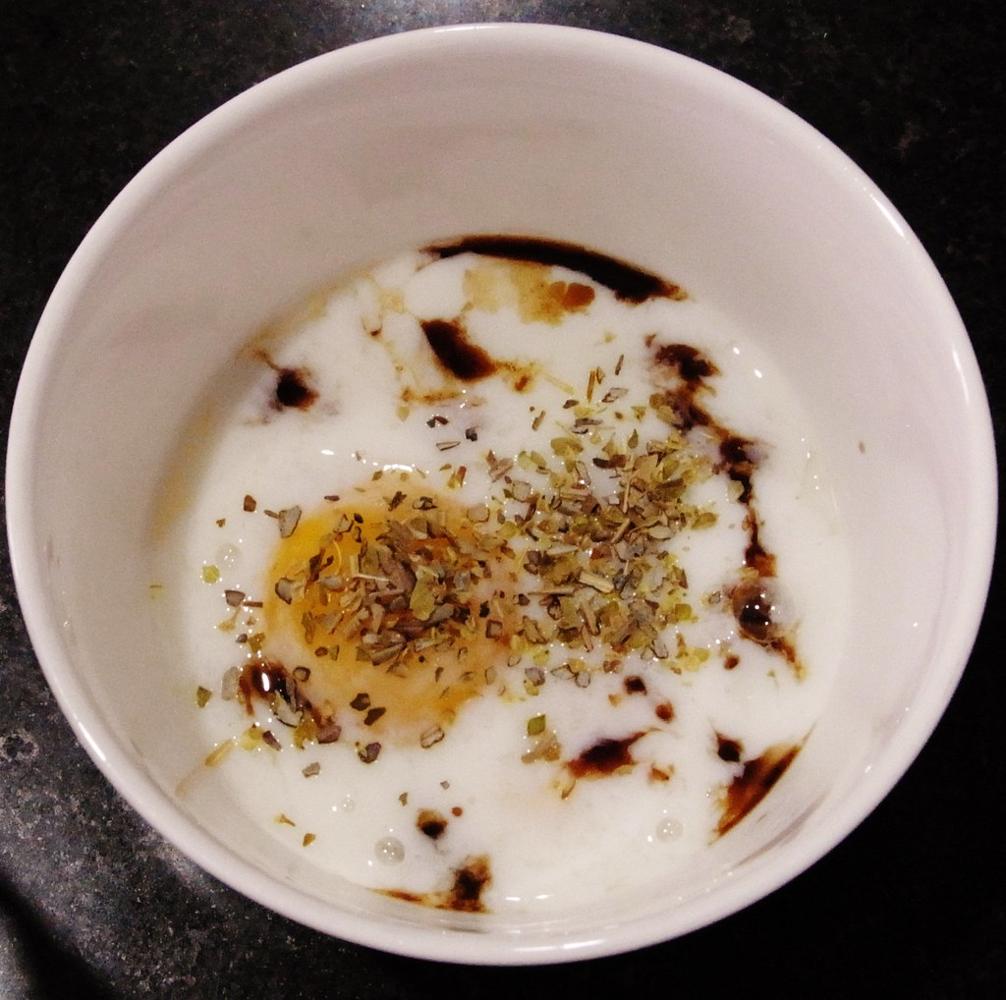
Illustrative licensed food photograph, not an official Golden Corral product or evidence of US portions, current availability or prices.Breakfast egg. Photo: nSeika · Source · CC BY 2.0 · Display cropped to fit.
Choose one main protein anchor
Selecting one primary entrée makes a protein-focused plate easier to build and easier to estimate. You can still sample another dish, but starting with an anchor prevents a collection of small meat portions from becoming impossible to reconstruct. Choose the exact preparation available at your restaurant, enter the intended amount, and then add sides around it. If you are undecided between two entrées, compare each with the same side combination. This reveals the difference between the entrées without changing the rest of the meal. The Golden Corral nutrition calculator is useful for that controlled comparison, especially when you want to review protein together with calories or sodium.
Read steak names beyond the word steak
Steak-related listings may describe different cuts, chopped preparations, coatings, sauces, or accompaniments. Those distinctions matter more than the broad category name. A grilled entrée should not be logged using a breaded steak entry, and a complete prepared dish should not automatically be reduced to an assumed plain-meat value. Check the full description and serving before comparing protein. Also consider whether the portion on your plate resembles the published reference or is a larger serving you requested at the station. For a closer look at these differences, see the Golden Corral steak nutrition guide. Availability should be confirmed locally rather than inferred from the existence of an entry.
Match chicken by preparation and edible portion
Chicken can be a useful protein anchor, but chicken entries are not interchangeable. Look for the preparation, cut, coating, sauce, and serving unit that match your selection. A piece-based entry may describe a particular cut rather than any piece of chicken, while a mixed dish may include ingredients beyond the meat itself. Do not estimate the protein in a sauced or breaded item by pretending it is plain chicken. Similarly, removing a visible component does not provide enough information to reconstruct the full recipe. The chicken nutrition guide explains how to compare these choices while preserving the distinction between published serving information and your own portion estimate.

Illustrative licensed food photograph, not an official Golden Corral product or evidence of US portions, current availability or prices.#tweegram #instagood #photooftheday #iphonesia #instamood #igers #instagramhub #picoftheday #instadaily #bestoftheday #igdaily #followme #webstagram #follow #photo#breakfast #eggs. Photo: Rakesh Rocky · Source · CC BY 2.0 · Display cropped to fit.
Treat seafood as several different choices
Fish and shellfish dishes can differ in preparation, serving size, coatings, and included sauces. Search by the specific seafood dish rather than selecting a broad fish or shrimp result. If the item is breaded or served in a mixed preparation, use the corresponding complete entry. A small pile of pieces may be especially difficult to estimate by sight, so pay attention to whether the source uses weight or count. Compare realistic amounts before deciding which option best supports your meal. The seafood nutrition guide provides a more detailed matching process, including why sauces and self-served quantities can matter as much as the seafood category when interpreting the final plate.
Consider nonmeat contributions without guessing
A protein-focused meal does not require pretending that only the main entrée contributes protein. Other dishes may contribute as well, but those amounts should come from the matching published entries rather than assumptions about ingredients. If beans, dairy-containing foods, eggs, or other relevant options are offered during your visit, identify their exact preparation and serving before adding them. A mixed side should be entered as the complete dish unless the components are genuinely separate. This can help you build a meal around your preferences rather than automatically enlarging the meat portion. It also avoids overstating protein by assigning a plain ingredient's value to a restaurant preparation with a different composition.
Let sides improve the meal rather than disappear
Once you have a protein anchor, choose sides that make the plate satisfying and practical to eat. Vegetables, starches, salads, and other options do not need to be excluded simply because protein is your main interest. Enter them accurately and review the whole combination. A plate that looks impressive in one nutrient column may be less appealing if it omits the foods you wanted or leaves you immediately looking for another trip. You can compare side combinations while holding the entrée constant to see how the meal changes. The lower-calorie plate guide offers a complementary framework when you want to consider protein and overall meal size together.
Illustrative licensed food photo, not an official Golden Corral product, portion or price.Salad greens two ways. Photo: liza31337 · Source · CC BY 2.0 · Display cropped to fit.
Check calories and sodium alongside protein
More protein is not the only possible outcome of a larger or differently prepared entrée. Calories, sodium, fat, and other nutrients may also change. Read the relevant columns before choosing solely on the highest protein total. If sodium is a priority, include the sides, sauces, and repeat servings in that review rather than comparing only the meats. If calories are part of your planning, compare the complete meals you would actually eat, not just isolated published portions. The sodium guide and calories guide can help you interpret those tradeoffs. No single preparation label guarantees the best result across all nutrients or every person's preferences.
Keep sauces and toppings in the calculation
A protein-focused plate can still include sauce, but the calculator needs to distinguish what is included from what you add separately. A named sauced entrée may already account for its preparation, while an extra ladle of gravy or dressing may require another entry. Avoid both omission and double counting. Do not assume that adding a topping changes only calories; review the published nutrient information that is available for that topping. If you cannot establish a precise serving, acknowledge the uncertainty. The purpose is to understand the complete meal, not to make the protein total look better by leaving less convenient components out of the record.
Make seconds a targeted decision
If you want another serving, decide whether you are still hungry for the entrée, want a different flavor, or simply feel drawn back to the buffet. A targeted return is easier to estimate than another assortment of unrelated foods. Add the second portion to the existing meal rather than replacing the first entry in your calculation. You do not need to continue eating just because a calculator shows room under a personal target, nor do you need to avoid seconds if you genuinely want more food. Use the estimate to understand the choice. A protein goal is a planning tool, not an instruction to ignore your appetite or turn the meal into a contest.
Illustrative licensed food photo, not an official Golden Corral product, portion or price.Salade at Les Deux Magots. Photo: RubyGoes · Source · CC BY 2.0 · Display cropped to fit.
Verify offerings and do not confuse nutrition with safety
The official website can help you explore possible options, but a nutrition listing does not guarantee a dish will be available at every location or meal period. Confirm what is being served before relying on a combination you previously noted. For visit costs, use the separate menu and prices guide. If allergies affect your choices, protein content offers no reassurance about ingredients or handling. Golden Corral's allergen statement describes concerns associated with changing offerings and shared preparation. Cross-contact cannot be guaranteed absent, so ask restaurant staff about the specific dish rather than interpreting a protein-focused recommendation as an allergy-safe suggestion.
Finish with a repeatable comparison method
A dependable protein-focused routine is straightforward: identify the dish, read its serving, enter a realistic amount, add the rest of the meal, and review the nutrients that matter to you. Compare alternatives by changing one component at a time. If a food cannot be matched confidently, mark that uncertainty rather than inventing a value. Keep the result flexible enough to change when the buffet differs from your plan. The nutrition calculator guide walks through the full process. The most useful outcome is not a universal ranking of Golden Corral foods, but a meal you enjoy whose protein estimate rests on identifiable dishes and honest assumptions about the portions you serve.
See the full Golden Corral menu
Prices, calories and macros for every item, or build a meal in the calculator.
Sources and corrections
Nutrition figures on Well.now come from official US restaurant sources, linked on each brand page with a last-checked date. Prices use verified local amounts first, then clearly labeled sourced estimates; Varies appears when neither is available. See our sources and methodology, or email be@well.now with a correction.

About the Well.now Editorial Team
This article was written and fact-checked by the Well.now Editorial Team. We check nutrition claims against each chain's official US information and never publish prices we cannot confirm. Well.now is independent and not paid by any restaurant. Read our editorial policy.