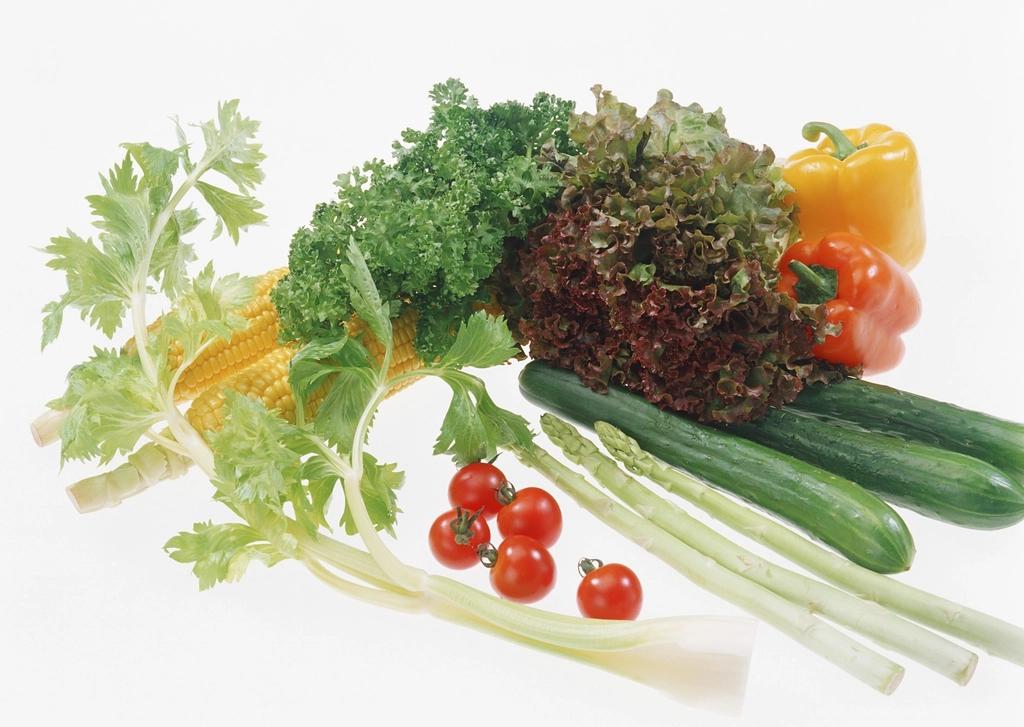
 Nutrition
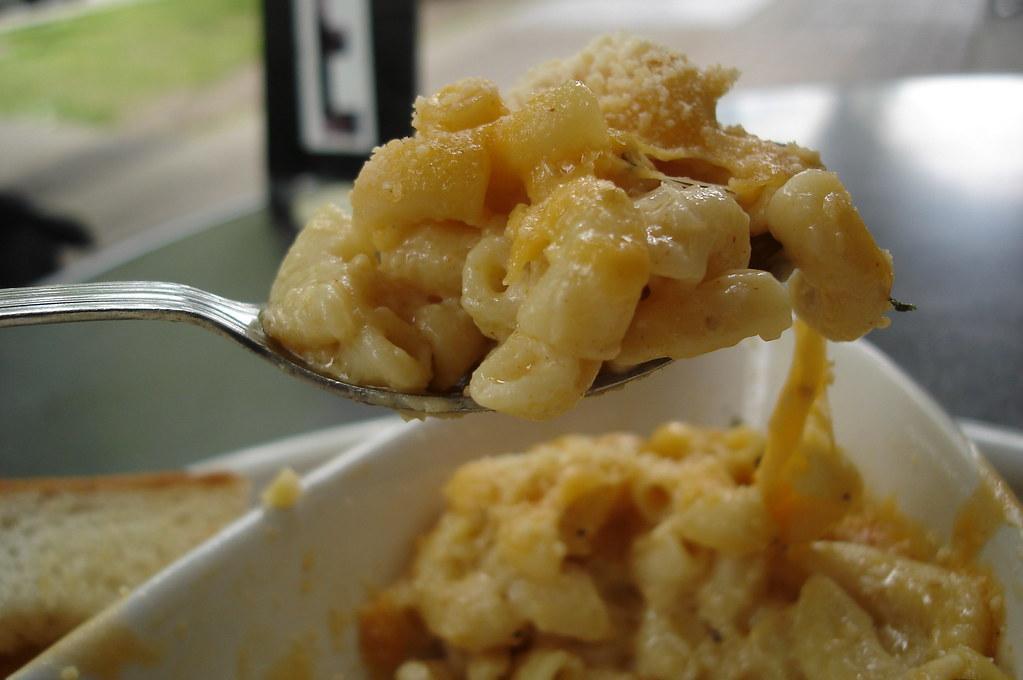
Illustrative licensed food photograph, not an official Golden Corral product or evidence of US portions, current availability or prices.Macaroni & Cheese. Photo: Vancouver Bites! · Source · CC BY-SA 2.0 · Display cropped to fit.
Published servings for this topic
| Food / serving | Calories | Protein | Carbs | Fat | Sodium |
|---|---|---|---|---|---|
| Asparagus, Steamed (4 each)70g | 80 cal | 2 g | 2 g | 7 g | 280 mg |
| Baked Sweet Potatoes (1 each)130g | 110 cal | 2 g | 26 g | 0 g | 70 mg |
| Broccoli, Steamed (1/2 cup)78g | 25 cal | 2 g | 6 g | 0 g | 85 mg |
| Brussels Sprouts (1/2 cup)78g | 80 cal | 3 g | 4 g | 6 g | 240 mg |
| Cabbage (1/2 cup)75g | 60 cal | 1 g | 4 g | 5 g | 200 mg |
| Cauliflower, Steamed (1/2 cup)78g | 20 cal | 1 g | 3 g | 0 g | 65 mg |
| Corn, Steamed (1/2 cup)85g | 130 cal | 3 g | 19 g | 6 g | 190 mg |
| Green Beans (1/2 cup)121g | 35 cal | 1 g | 4 g | 1.5 g | 520 mg |
Official US nutrition database checked 2026-11-15. No separate nutrition effective date confirmed. These are published recipe servings, not weighed buffet portions or guaranteed local offerings. Plate totals are calculated estimates. Blank allergen records do not mean allergen-free. Unconfirmed admission prices remain Varies.
Golden Corral official nutrition database ↗What this guide covers
- Start with the role your salad will play
- Survey the station before picking up toppings
- Use vegetables as ingredients, not decoration
- Find a meaningful protein component
- Treat prepared salads as finished recipes
- Choose dressing for flavor and coverage
- Make crunchy extras earn their place
- Understand what the nutrition serving represents
- Compare sodium across the whole bowl
- Match carbohydrate choices to your purpose
- Handle dietary restrictions as separate questions
- Decide how salad fits with the hot buffet
- Use a calculator for combinations, not perfection
- Leave with a repeatable salad-bar strategy
Start with the role your salad will play
A useful salad-bar plan begins with a simple question: is this your main meal, a vegetable side, or a first course before visiting the hot buffet? Those are different jobs, and they call for different combinations. A main-meal salad needs more staying power than a small plate of greens served beside dinner. A starter can be enjoyable without becoming a second full meal. Golden Corral describes its lunch and dinner offering as including a soup and salad bar, but the restaurant you visit determines what is actually available that day. Use the official restaurant overview for context, then build around what you genuinely want to eat.
Survey the station before picking up toppings
Walk past the full salad display before committing to a bowl. This makes it easier to notice vegetables, fruit, prepared salads, dressings, and protein-containing additions without letting the first appealing ingredient determine everything else. Look for combinations that offer contrasting textures and flavors, such as crisp vegetables with a softer topping or something tart alongside a creamy dressing. Identify the ingredients you would most regret missing, then leave room for them. This is also the moment to check whether a favorite ingredient is present rather than assuming a national menu description guarantees it. A quick survey usually produces a more deliberate plate than assembling a salad while continuously discovering new options.
Use vegetables as ingredients, not decoration
When vegetables are the foundation rather than a garnish, each topping has a clearer purpose. Choose the greens and raw vegetables that taste good to you, then consider how they work together. Crunchy ingredients can make a softer salad more satisfying, while juicy vegetables may reduce how much dressing you want. There is no requirement to select every color or every vegetable offered. A smaller group of compatible ingredients can be more enjoyable than a crowded mixture. If a vegetable appears dressed, marinated, or seasoned, treat it as a prepared item rather than assuming its nutrition matches the plain version. The preparation matters just as much as the ingredient name.
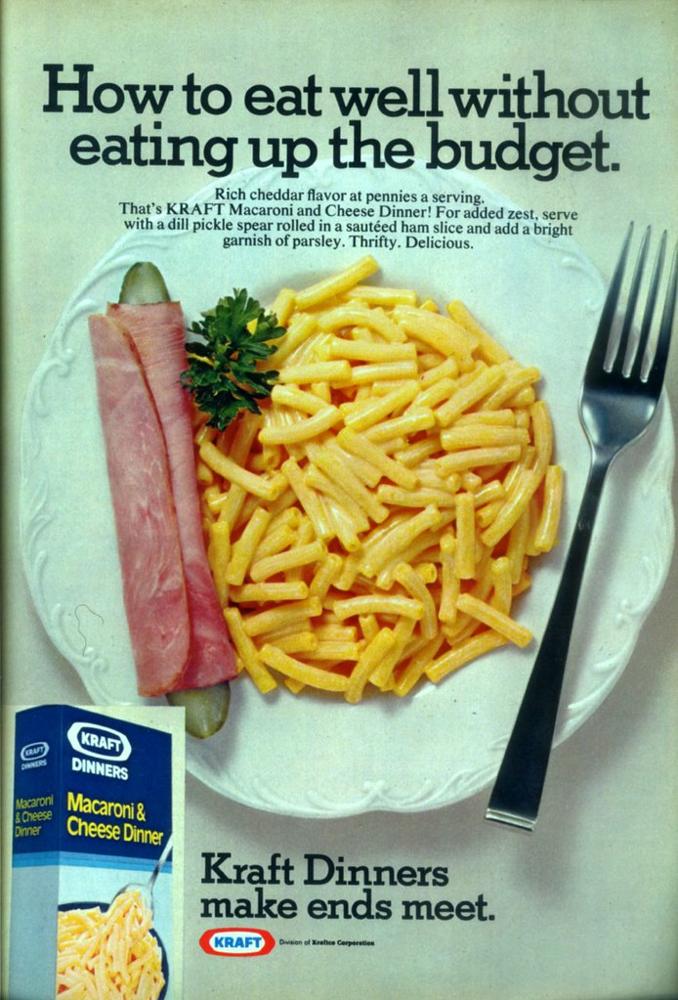
Illustrative licensed food photograph, not an official Golden Corral product or evidence of US portions, current availability or prices.Kraft Macaroni & Cheese. Photo: twitchery · Source · CC BY 2.0 · Display cropped to fit.
Find a meaningful protein component
If the salad will be your main meal, look for a protein-containing component you enjoy and can identify accurately. Depending on the available spread, that might mean an egg, beans, cheese, or a separately selected meat item. These choices are not interchangeable in flavor, sodium, fat, or dietary suitability. Ask what is in any mixed topping rather than guessing from appearance. A scoop of a creamy prepared salad may contain protein, but it also includes its dressing and other ingredients. Think about the complete combination you are building. Someone who already plans to eat a substantial hot entrée may prefer a vegetable-focused salad instead of adding several additional protein toppings.
Treat prepared salads as finished recipes
Pasta salad, potato salad, seafood-style mixtures, and other prepared salads should be evaluated as recipes, not as plain vegetables with a different shape. Their dressings, seasonings, and mix-ins affect the overall meal. If one is a favorite, make space for it intentionally rather than taking it automatically because it sits at the salad bar. You might choose a small portion beside raw vegetables instead of layering it beneath another dressing. Check the exact item name in Golden Corral’s nutrition information when possible. Similar-looking preparations can have different ingredients, and a general category name does not establish that the displayed recipe matches an entry you found online earlier.
Choose dressing for flavor and coverage
Dressing is easiest to manage when you know what you want it to do. A strongly flavored dressing may provide enough contrast with a modest amount, while a milder one may disappear beneath numerous toppings. Try distributing a little across the vegetables before deciding whether you need more. Keeping dressing separate, when practical, can help preserve crispness and lets you adjust bite by bite. Do not assume a clear dressing is automatically lower in calories or that a creamy dressing cannot fit your meal. Compare the actual listed products and serving descriptions. The useful question is how much of this particular dressing you want with this particular salad.
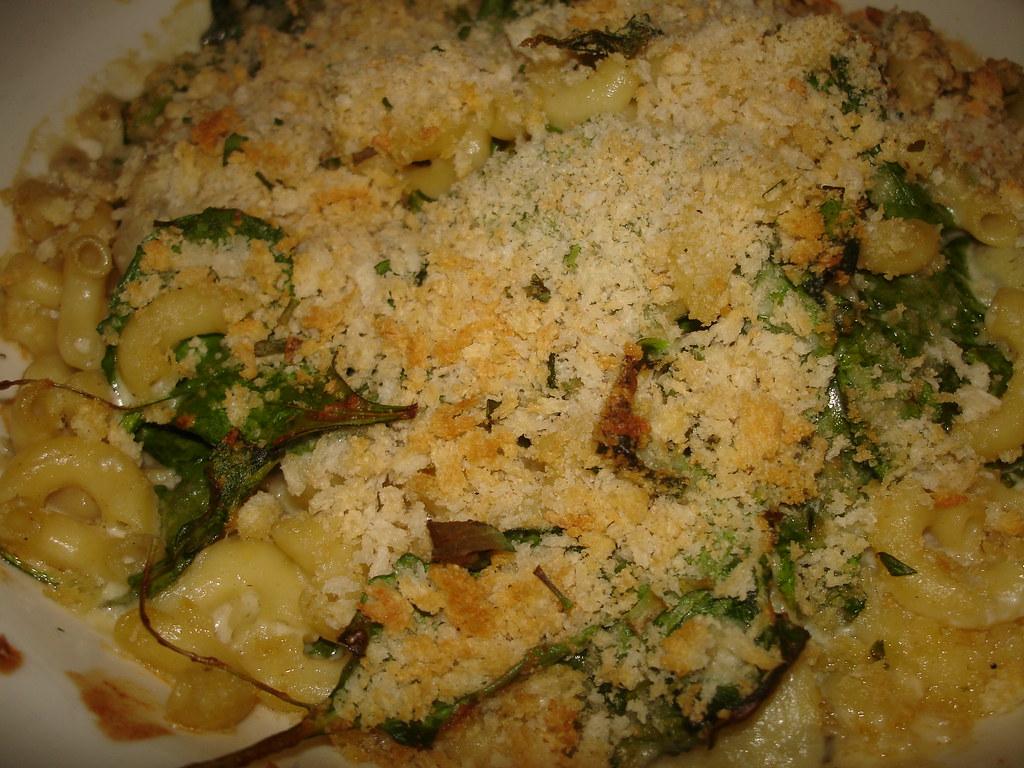
Illustrative licensed food photograph, not an official Golden Corral product or evidence of US portions, current availability or prices.Macaroni & cheese with artichokes & baby spinach. Photo: @joefoodie · Source · CC BY 2.0 · Display cropped to fit.
Make crunchy extras earn their place
Croutons, crackers, seeds, and similar additions can make a salad more enjoyable, but several crunchy toppings can duplicate the same role. Choose the one whose flavor you most want rather than adding every available option. Cheese, bacon-style toppings, and salty garnishes also change the character of the bowl, sometimes enough that you no longer taste the vegetables underneath. There is nothing inherently wrong with a topping-heavy salad, but it should be a conscious choice. If you are comparing nutrition, record these additions individually. A calculator entry for greens does not represent the finished salad once dressing, cheese, and crunchy extras have been added across the top.
Understand what the nutrition serving represents
The official nutrition database lists serving descriptions alongside nutrient information. Read that serving description before using an entry to estimate your plate. A listed scoop, piece, or measured portion may not resemble what your serving spoon delivered. This matters especially for dressings and compact toppings, where a small visual difference can represent a meaningful change in the amount eaten. You do not need to turn lunch into a weighing exercise to benefit from the data. Simply recognize that a generous buffet scoop is not automatically a single listed serving. When precision matters for your personal plan, use the published serving information as the starting point rather than the bowl’s appearance.
Compare sodium across the whole bowl
A salad can gather sodium from several directions at once, including dressing, cheese, cured or seasoned meats, olives, pickled ingredients, and prepared mixtures. Looking only at the greens misses most of that picture. If sodium is a priority for you, identify which additions contribute most in the official listings and decide which ones matter most for enjoyment. You might keep a favorite dressing and skip a salty garnish, or retain the garnish while choosing a different protein component. This is more practical than treating every topping as equally important. For individualized sodium targets, follow your own care plan rather than adopting a restaurant article’s idea of a universal limit.
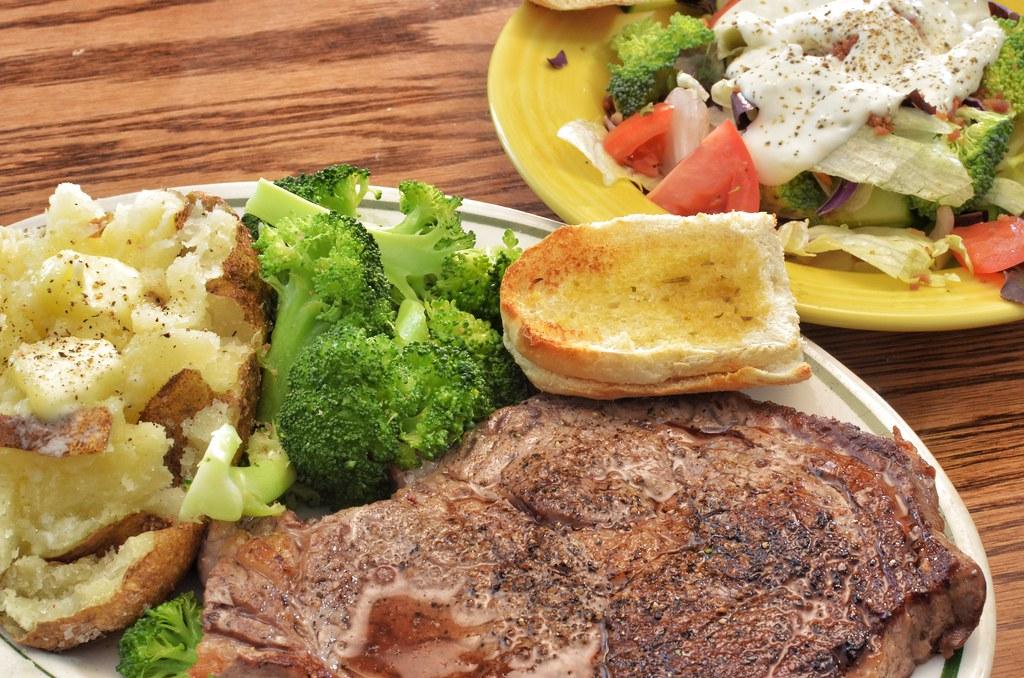
Illustrative licensed food photo, not an official Golden Corral product, portion or price.Mmm... ribeye and baked potato. Photo: jeffreyw · Source · CC BY 2.0 · Display cropped to fit.
Match carbohydrate choices to your purpose
Carbohydrate can come from beans, fruit, corn, pasta, croutons, sweetened dressings, and other salad-bar ingredients. Those foods serve different culinary and nutritional purposes, so grouping them together as simply good or bad is not very helpful. If you track carbohydrate, identify the exact ingredients and portions instead of assuming a salad is automatically low in it. Someone seeking a filling vegetarian lunch might deliberately include beans, while someone saving room for bread or dessert may choose differently. Fruit can add sweetness without turning the salad into a dessert replacement. Your decision should reflect the complete meal and your preferences, not a rule that salad must contain only greens.
Handle dietary restrictions as separate questions
A salad bar offers visible ingredients, but visibility does not answer every dietary question. Prepared dressings may contain ingredients you would not identify by looking, and utensils can move between containers. If you have a food allergy or need to avoid gluten, ask a manager about the specific items and handling procedures relevant to you before serving yourself. Vegetarian suitability is a different question from allergen suitability, and neither can be inferred simply because an item contains vegetables. Explain the ingredient you must avoid rather than relying on a broad request for something healthy. If staff cannot establish the information you need, choose another dining arrangement rather than treating uncertainty as reassurance.
Decide how salad fits with the hot buffet
The salad bar does not exist in isolation from the rest of your meal. If you plan to have a rich hot entrée, you might enjoy a crisp vegetable salad with fewer heavy additions. If the hot buffet is not appealing that day, a more substantial salad can become the center of lunch. Avoid building a large main-meal salad automatically and then adding a complete dinner because it is available. Instead, pause after your first plate and decide what still sounds good. This approach is about matching portions to appetite, not earning or compensating for food. A satisfying buffet visit can include salad, hot food, both, or neither without needing a rigid sequence.
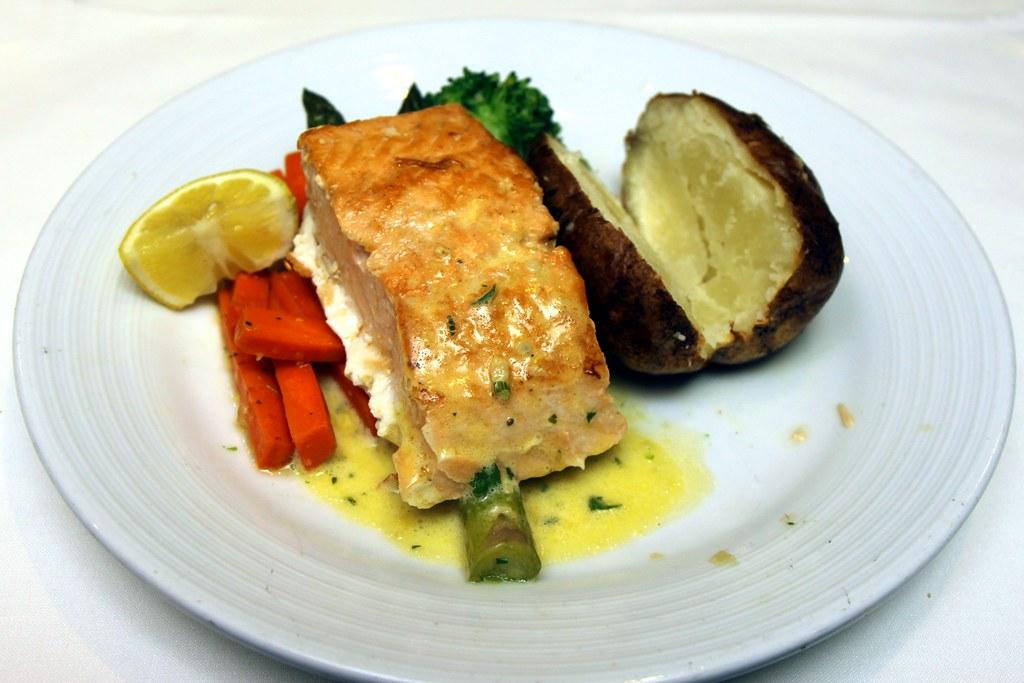
Illustrative licensed food photo, not an official Golden Corral product, portion or price.Grilled Salmon. Photo: Prayitno / Thank you for (12 millions +) view · Source · CC BY 2.0 · Display cropped to fit.
Use a calculator for combinations, not perfection
The Golden Corral nutrition calculator is most useful when you enter the components that actually reached your plate. Start with the base, then add the protein, dressing, and substantial toppings. Include a prepared salad as its own recipe rather than trying to reconstruct it from a few visible ingredients. If your portion was larger or smaller than the listed serving, adjust the estimate where the tool allows. Treat the result as an informed approximation, especially with self-served food. The goal is to compare realistic combinations and notice meaningful differences, not to create a false impression that every buffet bite can be measured perfectly after the fact.
Leave with a repeatable salad-bar strategy
A dependable strategy is to survey first, choose a role for the salad, build a vegetable base you like, and add only the components that improve the meal. Keep the published serving descriptions in view when nutrition tracking matters, and ask locally about ingredients that cannot be verified by appearance. For the broader cost and meal-format picture, consult the Golden Corral menu and prices guide, then confirm current details with your restaurant. You do not need a nationally prescribed perfect bowl. You need a combination that fits your appetite, your dietary requirements, and the other foods you intend to enjoy. That makes the salad bar a flexible part of the visit rather than an automatic obligation.
See the full Golden Corral menu
Prices, calories and macros for every item, or build a meal in the calculator.
Sources and corrections
Nutrition figures on Well.now come from official US restaurant sources, linked on each brand page with a last-checked date. Prices use verified local amounts first, then clearly labeled sourced estimates; Varies appears when neither is available. See our sources and methodology, or email be@well.now with a correction.
About the Well.now Editorial Team
This article was written and fact-checked by the Well.now Editorial Team. We check nutrition claims against each chain's official US information and never publish prices we cannot confirm. Well.now is independent and not paid by any restaurant. Read our editorial policy.