 Nutrition
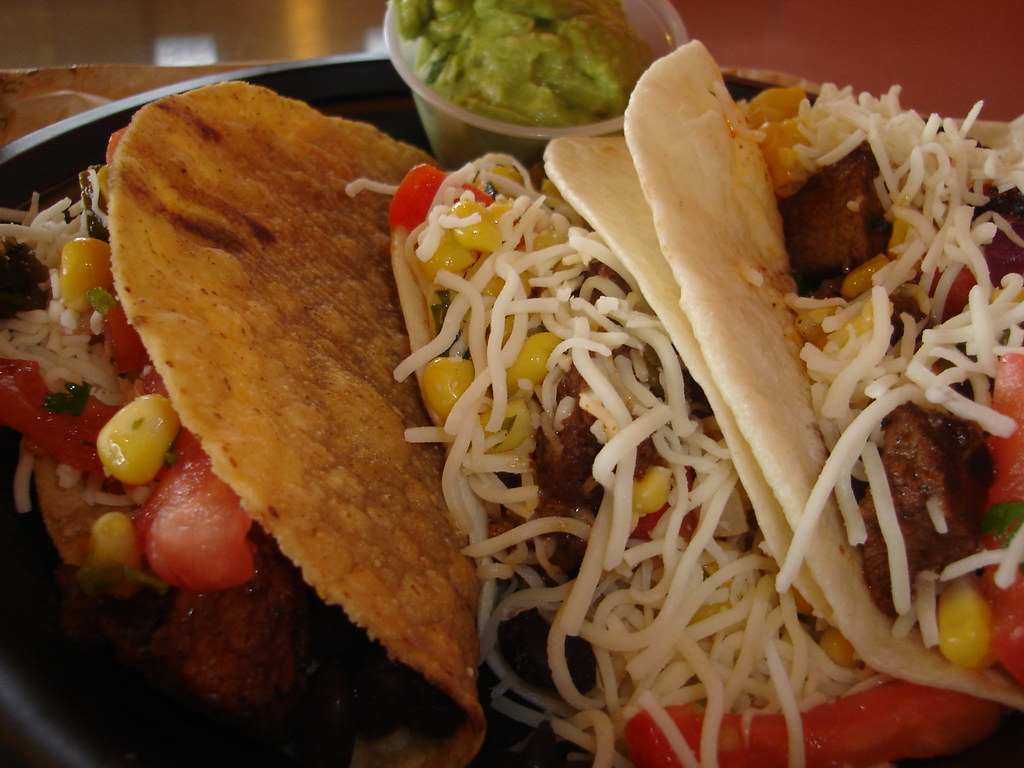
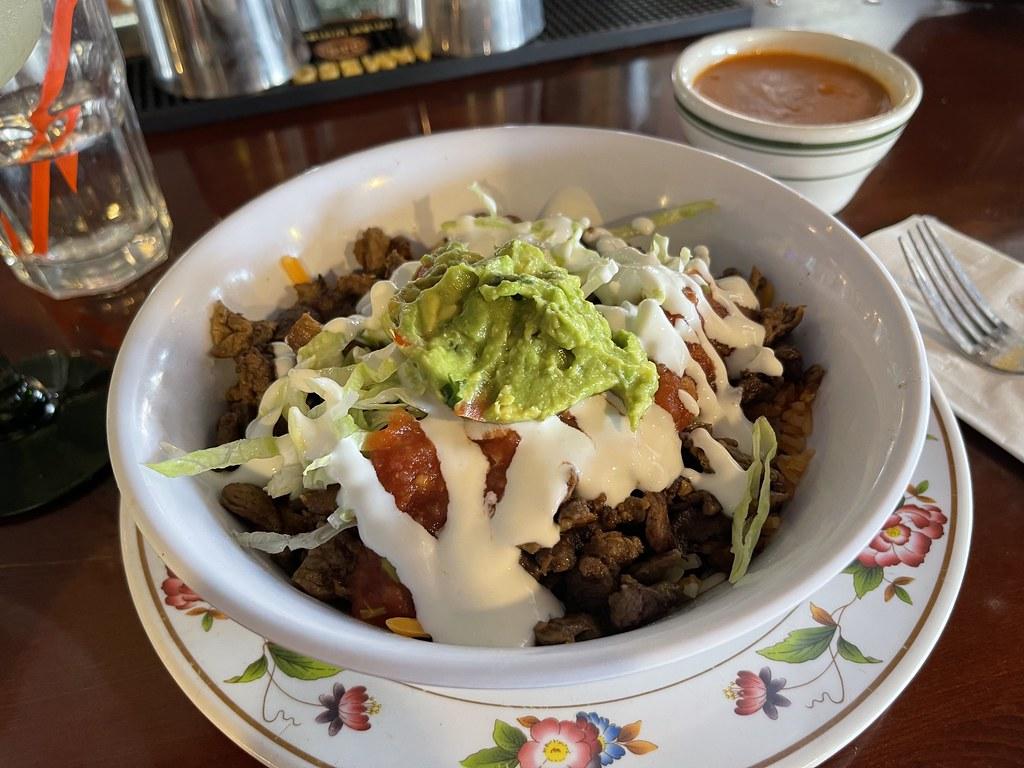
Illustrative licensed food photograph, not an official QDOBA product or evidence of current US portions, availability or prices.tacos!. Photo: ted_major · Source · CC BY-SA 2.0 · Display cropped to fit.
Official portions for this comparison
| Item / serving | Calories | Protein | Carbs | Fat | Sodium |
|---|---|---|---|---|---|
| Hand Crafted Guacamole (2 oz.) | 80 | 1 g | 5 g | 8 g | 160 mg |
| Hand Crafted Guacamole (4 oz.) | 170 | 2 g | 9 g | 15 g | 330 mg |
| Tortilla Chips (4 oz.) | 560 | 7 g | 75 g | 26 g | 220 mg |
Ingredient portions are not complete entrées. Standard-portion combinations are calculated totals; changed portions are estimates. US source published February 26, 2026, checked November 8, 2026. Prices remain Varies without a verified local amount.
Official nutrition brochureWhat this guide covers
- QDOBA guacamole calories: the direct answer
- Source, dates and the scope of the comparison
- The complete 2-ounce guacamole entry
- The separate 4-ounce entry and exact size differences
- Chips and guacamole: totals for both published sizes
- A fixed bowl with and without guacamole
- Guacamole versus queso at matching published sizes
- Adding, replacing and moving guacamole to the side
- Sharing chips and allocating a larger guacamole serving
- FAQ: serving sizes, carbohydrate and missing nutrients
- FAQ: bowls, chips and avoiding duplicate entries
QDOBA guacamole calories: the direct answer
QDOBA Hand Crafted Guacamole contains 80 calories in the published 2-ounce serving and 170 calories in the independently published 4-ounce serving. A full 4-ounce serving of Tortilla Chips adds 560 calories, making chips with 2 ounces of guacamole a calculated 640 calories and chips with 4 ounces of guacamole 730 calories. Adding guacamole to a bowl is a separate calculation: add either 80 or 170 calories to the ingredients already in that bowl, depending on the documented portion you are modeling. Do not call every guacamole bowl an 80-calorie addition without identifying its serving size. Also, do not calculate the larger guacamole entry by doubling the smaller one. Twice 80 is 160, but the restaurant's published 4-ounce calorie value is 170. The two entries should remain separate references throughout a meal calculation, including when you compare macros and sodium.
Source, dates and the scope of the comparison
The figures here are from the QDOBA US Nutrition Brochure published February 26, 2026, with a source check dated November 8, 2026. The official source is the linked official QDOBA source This is a US nutrition comparison, not a statement about international recipes or local pricing. The brochure's listed calories are retained rather than reconstructed from grams of fat, protein and carbohydrate. Individual nutrient values are used as published, and custom combinations are identified as sums of those entries. A published date, a check date and an article date describe different things; none should be substituted for another. The source identifies what was reviewed, while the calculations explain how those reference portions would affect an example order. Actual consumption still depends on which ingredients and amounts are included.
The complete 2-ounce guacamole entry
A published 2-ounce Hand Crafted Guacamole serving has 80 calories, 1 gram of protein, 5 grams of carbohydrate, 8 grams of fat and 160 milligrams of sodium. Those figures describe guacamole by itself. They do not include chips, rice, beans, a tortilla or another topping served alongside it. If a custom bowl without guacamole totals 600 calories from its selected ingredients, adding this exact source portion produces a calculated 680-calorie bowl. The same addition raises the bowl's protein by 1 gram, carbohydrate by 5 grams, fat by 8 grams and sodium by 160 milligrams. The starting bowl still matters because guacamole does not replace anything unless an ingredient is actually removed. This distinction is especially useful when comparing two saved orders: adding guacamole to one while removing cheese from the other is a combined substitution, not a measurement of guacamole's effect alone.
Illustrative licensed food photograph, not an official QDOBA product or evidence of current US portions, availability or prices.TACOS. Photo: strngwrld · Source · CC BY 2.0 · Display cropped to fit.
The separate 4-ounce entry and exact size differences
The published 4-ounce guacamole serving contains 170 calories, 2 grams of protein, 9 grams of carbohydrate, 15 grams of fat and 330 milligrams of sodium. Compared with the 2-ounce entry, it adds 90 calories, 1 gram of protein, 4 grams of carbohydrate, 7 grams of fat and 170 milligrams of sodium. Simple doubling would instead suggest 160 calories, 2 grams of protein, 10 grams of carbohydrate, 16 grams of fat and 320 milligrams of sodium. Only the protein value in that doubled set matches the independent larger entry. This is why the actual size-specific listing matters more than a convenient multiplication rule. When comparing a bowl with the smaller serving against the same bowl with the larger serving, use the 90-calorie difference between published entries. Calling it an 80-calorie increase would quietly replace the documented larger serving with a calculated estimate.
Chips and guacamole: totals for both published sizes
The source lists 4 ounces of Tortilla Chips at 560 calories, 7 grams of protein, 75 grams of carbohydrate, 26 grams of fat and 220 milligrams of sodium. Combine those chips with 2 ounces of guacamole and the calculated total is 640 calories, 8 grams of protein, 80 grams of carbohydrate, 34 grams of fat and 380 milligrams of sodium. With the independent 4-ounce guacamole serving, the total becomes 730 calories, 9 grams of protein, 84 grams of carbohydrate, 41 grams of fat and 550 milligrams of sodium. These are two-component sums, not assumed nutrition facts for every packaged side or catering arrangement. They also show why describing chips and guacamole using only the dip's 80 calories misses most of the combination. Keep the chip portion visible even if the chips are shared, served separately or eaten after the bowl rather than alongside it.
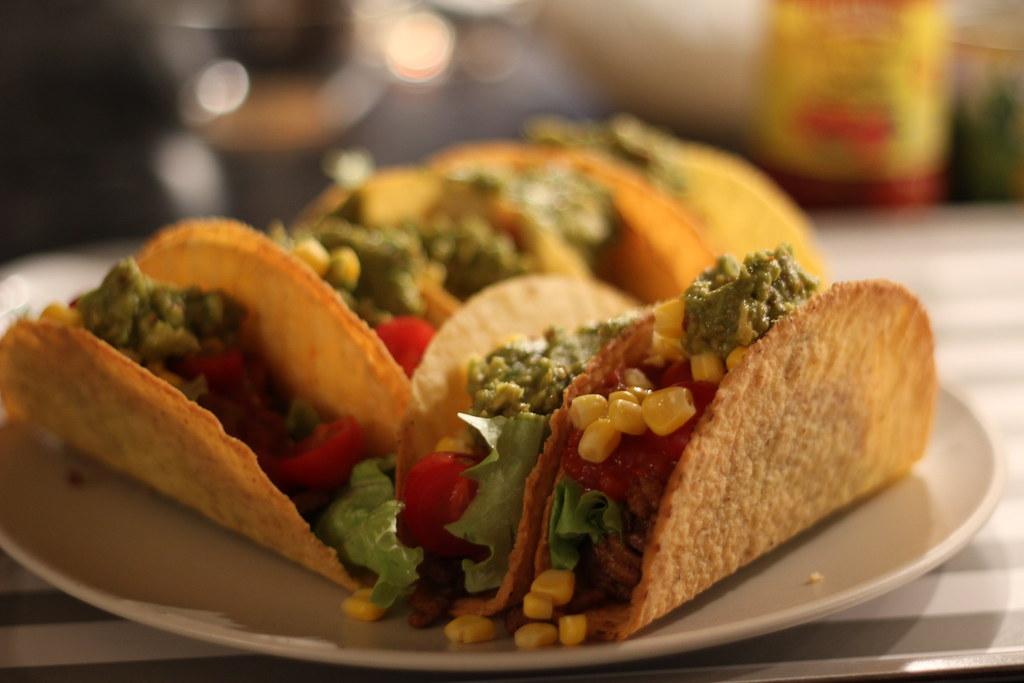
Illustrative licensed food photograph, not an official QDOBA product or evidence of current US portions, availability or prices.Taco. Photo: Karl-Martin Skontorp · Source · CC BY 2.0 · Display cropped to fit.
A fixed bowl with and without guacamole
For a controlled example, use 4 ounces of Seasoned Brown Rice, 4 ounces of Black Beans, 3.5 ounces of Grilled Adobo Chicken and 1 ounce of Pico de Gallo. Their published entries sum to 505 calories, 32 grams of protein, 63 grams of carbohydrate, 14.5 grams of fat and 1,090 milligrams of sodium. Adding the 2-ounce guacamole entry produces 585 calories, 33 grams of protein, 68 grams of carbohydrate, 22.5 grams of fat and 1,250 milligrams of sodium. Adding the 4-ounce entry instead produces 675 calories, 34 grams of protein, 72 grams of carbohydrate, 29.5 grams of fat and 1,420 milligrams of sodium. Neither is a named signature bowl. They are custom ingredient calculations designed to isolate the guacamole change. Chicken, rice, beans and pico remain identical, so the difference between the two finished versions is exactly the difference between the two published guacamole sizes.
Guacamole versus queso at matching published sizes
At 2 ounces, guacamole and Three Cheese Queso both list 80 calories and 8 grams of fat. Their other values differ: guacamole has 1 gram of protein, 5 grams of carbohydrate and 160 milligrams of sodium; Three Cheese has 3 grams of protein, 3 grams of carbohydrate and 340 milligrams of sodium. Substituting guacamole for that queso therefore leaves calories and fat unchanged while lowering protein by 2 grams, raising carbohydrate by 2 grams and lowering sodium by 180 milligrams. At 4 ounces, both independently published entries list 170 calories. Guacamole has 330 milligrams of sodium versus queso's 670, a difference of 340 milligrams. Equal calories do not make the toppings nutritionally identical. Likewise, choosing both is an addition rather than a substitution. Two ounces of each contributes a combined 160 calories and 500 milligrams of sodium before any other bowl ingredient is counted.
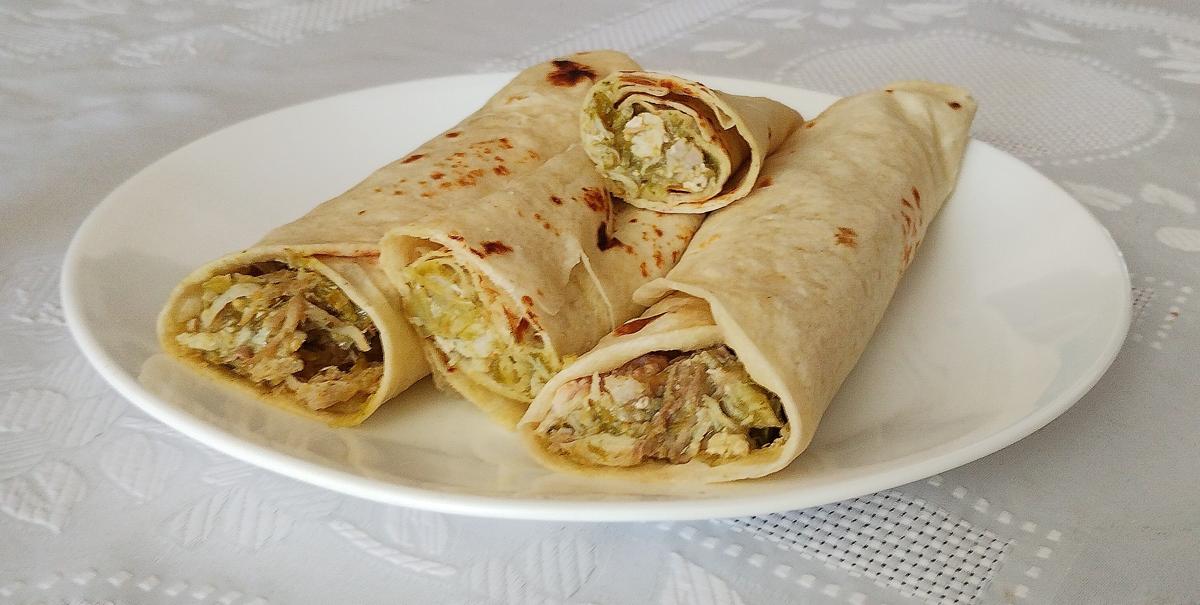
Illustrative licensed food photograph, not an official restaurant product or evidence of serving size, availability or prices.Burrito chihuahuense de chile verde.jpg. Photo: Levi bernardo · Source · CC BY-SA 4.0 · Display cropped to fit.
Adding, replacing and moving guacamole to the side
Three ordering changes that sound similar can produce different totals. Adding 2 ounces of guacamole contributes 80 calories. Replacing the published 1-ounce Sour Cream serving with that guacamole changes calories by only 30 because sour cream contributes 50 calories that are removed. Moving the same guacamole portion from the bowl to a side cup changes no calculated nutrients if you still eat all of it. For the sour cream substitution, sodium rises from the topping's 10 milligrams to 160 milligrams, an increase of 150 milligrams, even though the calorie increase is modest. These comparisons are based on the listed serving sizes, not equal-ounce portions. The practical approach is to identify exactly what leaves the order and what enters it. A calculator cannot distinguish an addition from a replacement if both toppings remain selected, and serving a food separately does not itself reduce consumption.
Sharing chips and allocating a larger guacamole serving
If two people divide one published 4-ounce chip portion and one published 4-ounce guacamole portion equally, each person's proportional allocation is 365 calories, 4.5 grams of protein, 42 grams of carbohydrate, 20.5 grams of fat and 275 milligrams of sodium. That is half of the calculated 730-calorie combination. It is not the same calculation as independently selecting a half-chip estimate plus the restaurant's separate 2-ounce guacamole entry. Half the listed chips is an estimated 280 calories and 110 milligrams of sodium; adding the independent smaller guacamole entry gives 360 calories and 270 milligrams of sodium. The five-calorie difference reflects the different reference methods. Neither method should be disguised as a measured intake. If you are allocating a shared order, use its full published components and divide consistently. Also, equal shares of chips do not prove equal shares of dip unless the guacamole was divided that way.
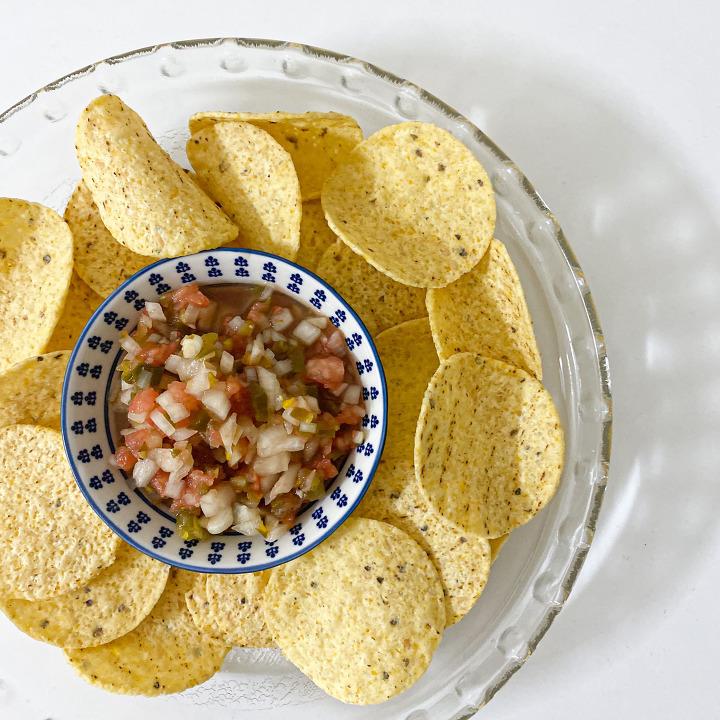
Illustrative licensed food photograph, not an official restaurant product or evidence of serving size, availability or prices.Homemade salsa with nachos 1.jpg. Photo: 에그란 · Source · CC BY 4.0 · Display cropped to fit.
FAQ: serving sizes, carbohydrate and missing nutrients
Is QDOBA guacamole 80 or 170 calories? Both values are published, but for different sizes: 80 calories for 2 ounces and 170 for 4 ounces. Does the larger portion have exactly twice the carbohydrate? No. It has 9 grams, compared with 5 grams in the smaller entry. How much sodium does guacamole add? The documented additions are 160 milligrams for 2 ounces or 330 milligrams for 4 ounces. Can you calculate net carbs from these figures? Not reliably from this dataset, because it does not provide fiber for these guacamole entries. The listed carbohydrate is total carbohydrate, and no fiber amount should be invented or borrowed from plain avocado. Are sugars available here? No sugar values are supplied for these entries. The useful source-supported comparison is calories, protein, total carbohydrate, fat and sodium at the documented serving size, without filling gaps using a different food's nutrition.
FAQ: bowls, chips and avoiding duplicate entries
Does a guacamole calorie figure include the bowl? No. It describes the topping alone unless the source names a complete prepared item. How many calories are in chips with the larger guacamole serving? Using the published 4-ounce chips and 4-ounce guacamole entries, the calculated answer is 730. Should guacamole be added separately to a named bowl's published total? Only if it is an extra portion not already included in that complete-item entry. Otherwise, adding it again would double count it. What if the portion is described only as a scoop? Choose a documented ounce-based reference only when it represents the portion you are modeling; otherwise identify the assumption. For the clearest record, write down the bowl ingredients, the guacamole size and the chip share as separate components. That makes an 80-calorie topping, a 170-calorie topping and a 640- or 730-calorie side combination impossible to confuse.
See the full QDOBA menu
Prices, calories and macros for every item, or build a meal in the calculator.
Sources and corrections
Nutrition figures on Well.now come from official US restaurant sources, linked on each brand page with a last-checked date. Prices use verified local amounts first, then clearly labeled sourced estimates; Varies appears when neither is available. See our sources and methodology, or email be@well.now with a correction.
About the Well.now Editorial Team
This article was written and fact-checked by the Well.now Editorial Team. We check nutrition claims against each chain's official US information and never publish prices we cannot confirm. Well.now is independent and not paid by any restaurant. Read our editorial policy.