 Guides
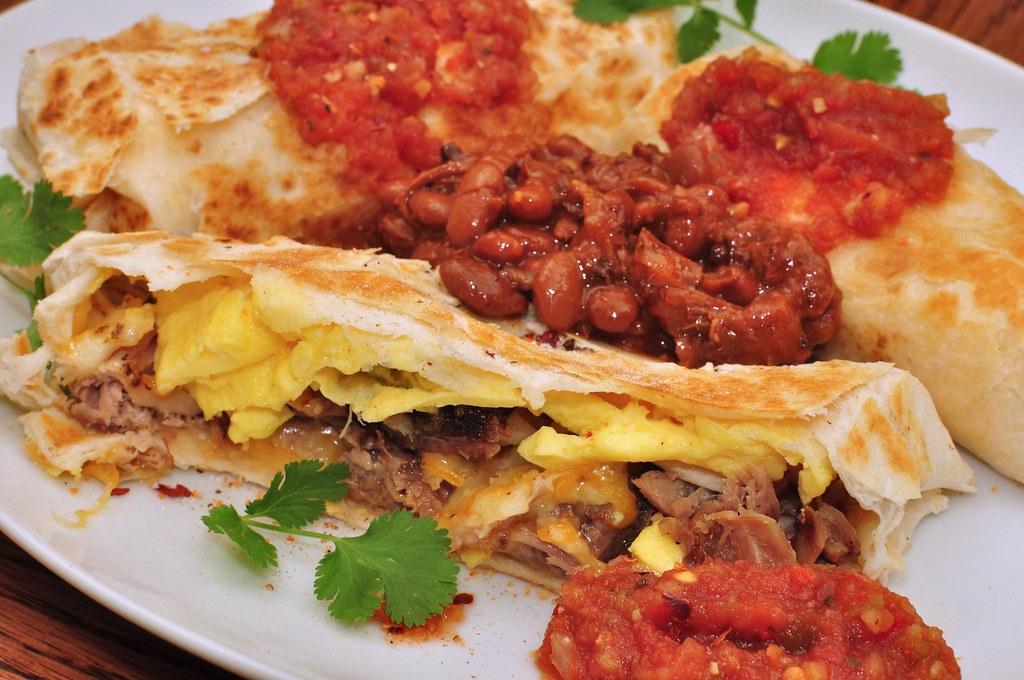
Illustrative licensed food photograph, not an official QDOBA product or evidence of current US portions, availability or prices.Mmm... breakfast burritos with a side of beans. Photo: jeffreyw · Source · CC BY 2.0 · Display cropped to fit.
Your QDOBA order, with sources
Ingredient portions are not complete entrées. Standard-portion combinations are calculated totals; changed portions are estimates. US source published February 26, 2026, checked November 8, 2026. Prices remain Varies without a verified local amount.
Official nutrition brochureWhat this guide covers
- Start with the actual local kids menu
- Why adult portions cannot supply kids totals
- Choose a format the child can manage
- Let the child make a limited number of choices
- Ask about flavor instead of guessing from color
- Consider the meal’s components without prescribing calories
- Verify the drink brand and package
- Review sides and extras as separate decisions
- Communicate allergies directly with the restaurant
- Keep the family budget tied to the checkout total
- Coordinate multiple children’s orders clearly
- Plan the timing and handling of leftovers
- A realistic final check for a family meal
Why adult portions cannot supply kids totals
The dataset uses QDOBA’s US nutrition brochure dated February 26, 2026, checked November 8, 2026. Many entries describe specific ingredient weights or complete standard meals, but verified child entrée portions are unavailable in this source. Dividing an adult bowl in half does not establish the nutrition of a children’s bowl, taco, or other local offering. A child’s build may use different ingredient amounts, a different tortilla, or a different set of included components. Even the ratio of protein to rice may differ. Treat child-specific totals as unavailable unless the restaurant provides current information for that exact item. This is not a reason to abandon practical meal planning. It is a reason to distinguish observable choices from numerical claims the available evidence cannot support.
Choose a format the child can manage
Ask which available format best matches the child’s eating skills and preferences. Some children handle a handheld item comfortably, while others find a bowl or separated components easier. A crowded wrap can be difficult to hold, and a fully mixed bowl may frustrate a child who wants to recognize each ingredient. These are practical considerations, not nutritional judgments about one format being universally better. If the location permits ingredients on the side, ask whether that changes the order or requires separate packaging. Keep the request specific: which components should remain separate, and which can be combined? Choosing a manageable format can reduce spills, last-minute requests, and food refusal. It also makes it easier for an adult to notice an unexpected ingredient before the child starts eating.
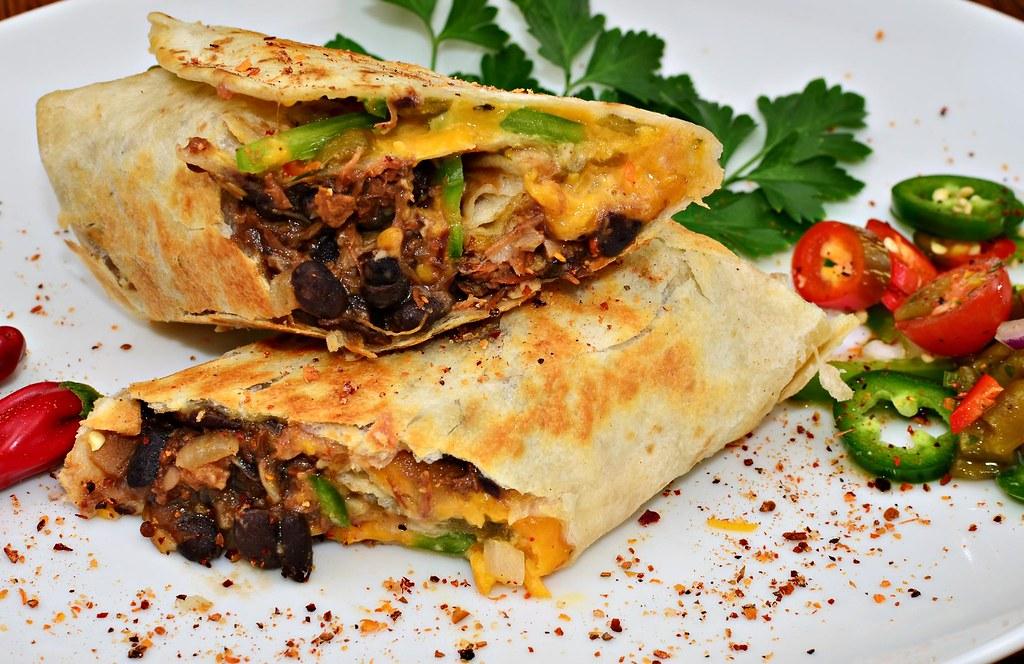
Illustrative licensed food photograph, not an official QDOBA product or evidence of current US portions, availability or prices.Mmm... Black bean burrito with pork and cheddar. Photo: jeffreyw · Source · CC BY 2.0 · Display cropped to fit.
Let the child make a limited number of choices
A long assembly line can overwhelm a child who is hungry, tired, or unfamiliar with the ingredients. Before reaching the counter, narrow the decision to a few realistic options from the local menu. For example, an adult can confirm the available format and then let the child choose between two familiar fillings or toppings. Avoid promising ingredients before checking availability. If the child wants everything separate, discuss that request before preparation rather than after the meal is mixed. A limited choice still gives the child meaningful control without turning every container into a new negotiation. For families managing sensory preferences, familiar texture and predictability may matter more than variety at a single meal. The aim is a workable lunch, not a perfect demonstration of adventurous eating.
Ask about flavor instead of guessing from color
Children vary widely in their tolerance for heat, acidity, and unfamiliar seasoning. Ask the restaurant to describe an ingredient rather than assuming that a red salsa is hot or that a pale sauce is mild. A small amount on the side may be useful when the child wants to try something new, if the location can accommodate that request. Do not confuse mild flavor with allergen suitability, since those are separate questions. Likewise, removing a spicy topping does not make every remaining component unseasoned. Ask about the protein, beans, or prepared vegetables if the child strongly avoids a particular flavor. A familiar ingredient name can still describe a seasoned restaurant preparation. Setting expectations accurately is more helpful than telling the child that everything will taste like the version served at home.
Consider the meal’s components without prescribing calories
A practical family order can include a protein-containing food, a carbohydrate source, and produce the child will eat, but the right combination depends on the child and the rest of the day. Beans, meat, rice, tortillas, vegetables, and toppings play different roles in a meal. You do not need to turn those choices into a calorie prescription at the counter. This guide does not assign calorie targets or portion requirements to children. If a child has a medical nutrition need, growth concern, or restrictive eating issue, individualized advice should come from an appropriate healthcare professional. For routine ordering, focus on what is offered, what the child can manage, and whether the meal includes foods that are likely to be eaten rather than merely selected.
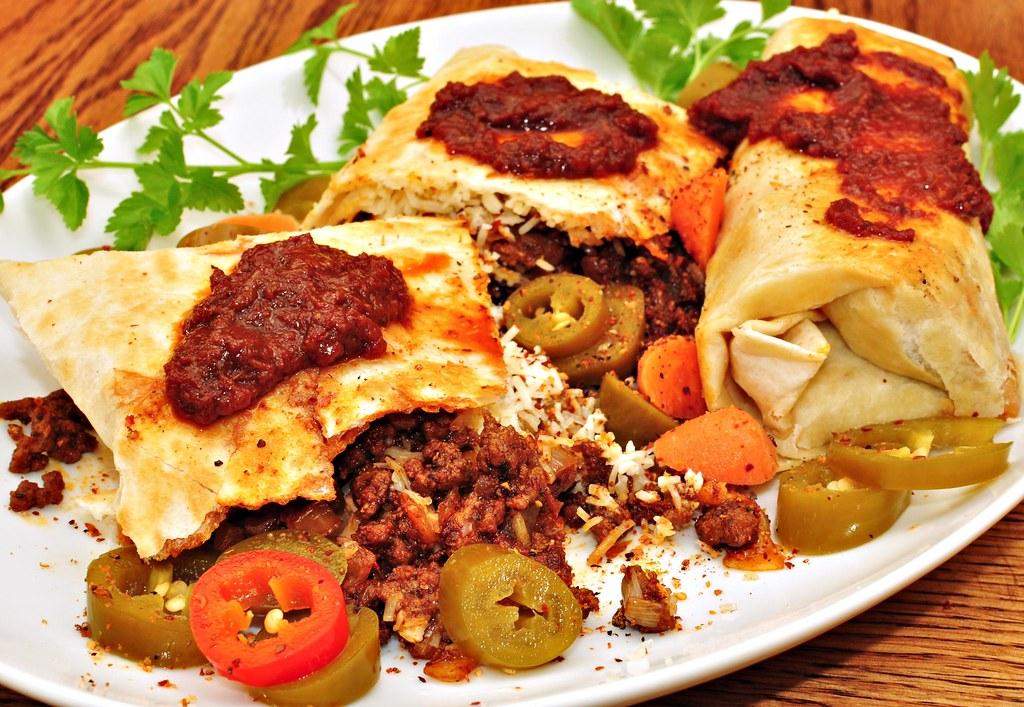
Illustrative licensed food photograph, not an official QDOBA product or evidence of current US portions, availability or prices.Mmm... beef and cheese burritos. Photo: jeffreyw · Source · CC BY 2.0 · Display cropped to fit.
Verify the drink brand and package
The dataset contains two apple juice boxes that illustrate why the exact product matters. Honest Apple Juice Box is listed at 40 calories and 10 grams of carbohydrates for 6 fluid ounces. Minute Maid Kid’s Apple Juice Box is listed at 80 calories and 21 grams of carbohydrates for the same stated volume. Both list 15 milligrams of sodium. These are product-specific values, not an estimate for every juice box a restaurant may provide. Ask which brand is included and check the package when available. If the child chooses a different drink, use that drink’s current information rather than borrowing one of these entries. These beverage figures also do not establish a complete kids meal total, because the child entrée portion remains unavailable in the supporting dataset.
Review sides and extras as separate decisions
Ask what comes with the child’s order before adding another side. A meal package may differ from what you remember, and a substitution may affect the final charge. Chips, dips, desserts, and beverages should be considered separately rather than treated as invisible parts of the order. The adult chip portion in the dataset is not evidence for the amount included with a child’s meal. The same caution applies to queso and guacamole entries with specified adult reference weights. If nutrition information is important, ask for a current child-specific listing instead of scaling those portions down by guesswork. For practical planning, decide which extras the child actually wants and whether shared family items already cover that role. This can reduce duplicate purchases without turning the meal into a restriction exercise.
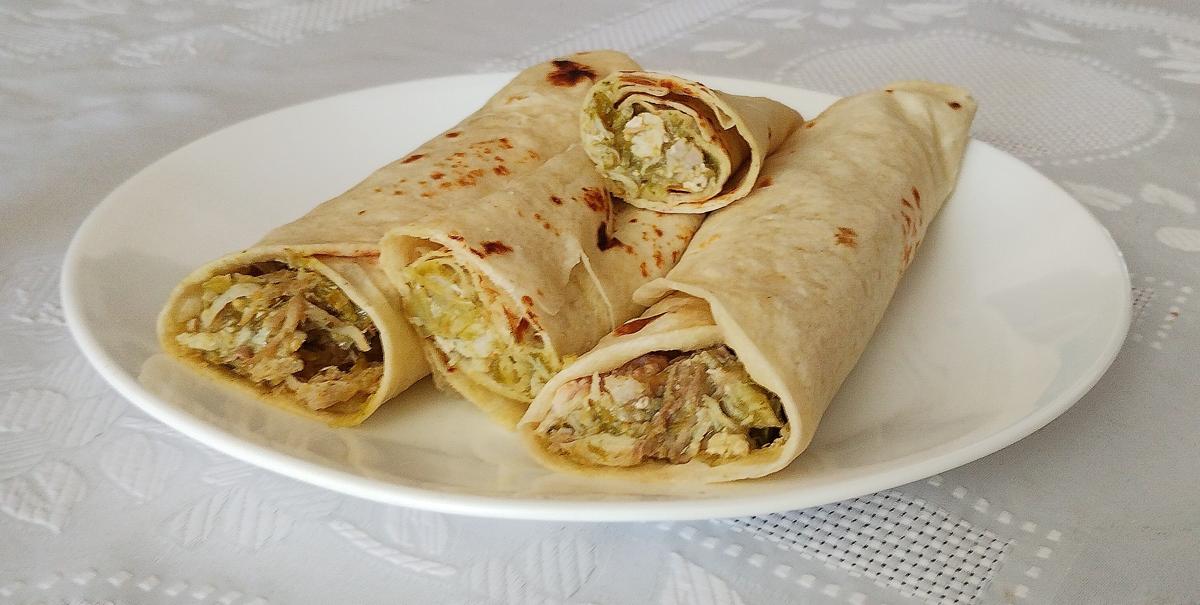
Illustrative licensed food photograph, not an official restaurant product or evidence of serving size, availability or prices.Burrito chihuahuense de chile verde.jpg. Photo: Levi bernardo · Source · CC BY-SA 4.0 · Display cropped to fit.
Communicate allergies directly with the restaurant
For a child with a food allergy, name the allergen and discuss the exact meal before preparation. A request for no cheese or no sauce may not communicate the full need. Review the entrée, included side, beverage, and any dessert or replacement item. Ask what current ingredient information is available and what handling precautions the location can provide. Do not assume that a smaller meal, a plain-looking ingredient, or a separate container eliminates cross-contact concerns. QDOBA’s gluten-friendly language also does not promise that cross-contamination will never occur. Follow the child’s established care plan, and choose another option when essential information cannot be confirmed. At pickup, make sure the correct bag reaches the correct child, especially when several orders look similar or have only small differences.
Keep the family budget tied to the checkout total
The dataset does not contain verified prices, so it cannot establish the cost of a kids meal or compare one location’s family value with another. Check the local ordering screen or ask the restaurant for the current price and included items. Then review charges for substitutions, premium ingredients, extra sides, beverages, tax, and any ordering-channel fees that apply. A lower entrée price does not necessarily produce a lower family total if several additions are needed. Conversely, a package with included items is not automatically the better choice if the child will not use them. Compare the actual orders your family would buy. Keep rewards expectations separate until an eligible benefit is visible and applied, rather than subtracting a hoped-for promotion from the planned budget.
Coordinate multiple children’s orders clearly
When ordering for siblings or a small group, record each child’s format, filling, toppings, side, and drink before opening the app or joining the line. Distinguish ordinary preferences from allergy-related requirements so the latter receive a direct conversation. If one child wants an ingredient omitted and another wants extra, verify that the instructions remain attached to the correct meal. Ask whether containers can be identified at handoff, without assuming a label proves the preparation met an allergy need. For pickup, compare the number of meals and drinks with the receipt before leaving. Once seated, distribute food deliberately rather than allowing similar containers to be swapped casually. This organizational work is especially useful when children are too young to recognize an incorrect filling or explain what was ordered for them.
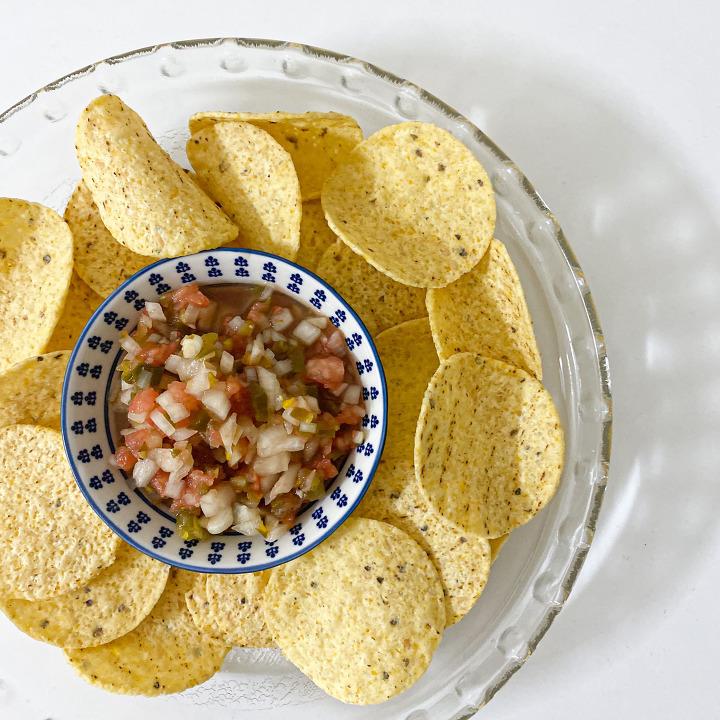
Illustrative licensed food photograph, not an official restaurant product or evidence of serving size, availability or prices.Homemade salsa with nachos 1.jpg. Photo: 에그란 · Source · CC BY 4.0 · Display cropped to fit.
Plan the timing and handling of leftovers
If the family will not eat immediately, consider the travel plan before ordering. A stop that seems convenient may be less practical if the meals will sit through a long errand or an activity. Ask for packaging suited to the order and follow appropriate food safety guidance for transporting, refrigerating, and reheating leftovers. Do not rely on smell or appearance alone to decide whether food has been handled appropriately. Keep sauces or cold additions separate when that helps preserve texture and the restaurant can accommodate it. Leftovers can be useful, but a child’s appetite should not be predicted by dividing an adult portion mathematically. Order based on the available child offering and your knowledge of the child, while accepting that appetite can vary from one meal to the next.
A realistic final check for a family meal
Before paying, confirm the local meal format, included side and drink, substitutions, and final price. Before eating, check that each child has the intended order and that no unexpected ingredient has been added. If something is wrong, explain whether the issue is preference or allergy so staff understand what needs to be addressed. Keep nutrition claims proportionate to the evidence: packaged drink values may be available, while the child entrée’s portion and total may remain unknown. There is no need to fill that gap with an adult fraction or a calorie target. A successful family order is one that fits the child’s needs, the restaurant’s actual offerings, and the family’s budget, with clear communication about any medical restrictions and honest limits on unavailable information.
See the full QDOBA menu
Prices, calories and macros for every item, or build a meal in the calculator.
Sources and corrections
Nutrition figures on Well.now come from official US restaurant sources, linked on each brand page with a last-checked date. Prices use verified local amounts first, then clearly labeled sourced estimates; Varies appears when neither is available. See our sources and methodology, or email be@well.now with a correction.
About the Well.now Editorial Team
This article was written and fact-checked by the Well.now Editorial Team. We check nutrition claims against each chain's official US information and never publish prices we cannot confirm. Well.now is independent and not paid by any restaurant. Read our editorial policy.